


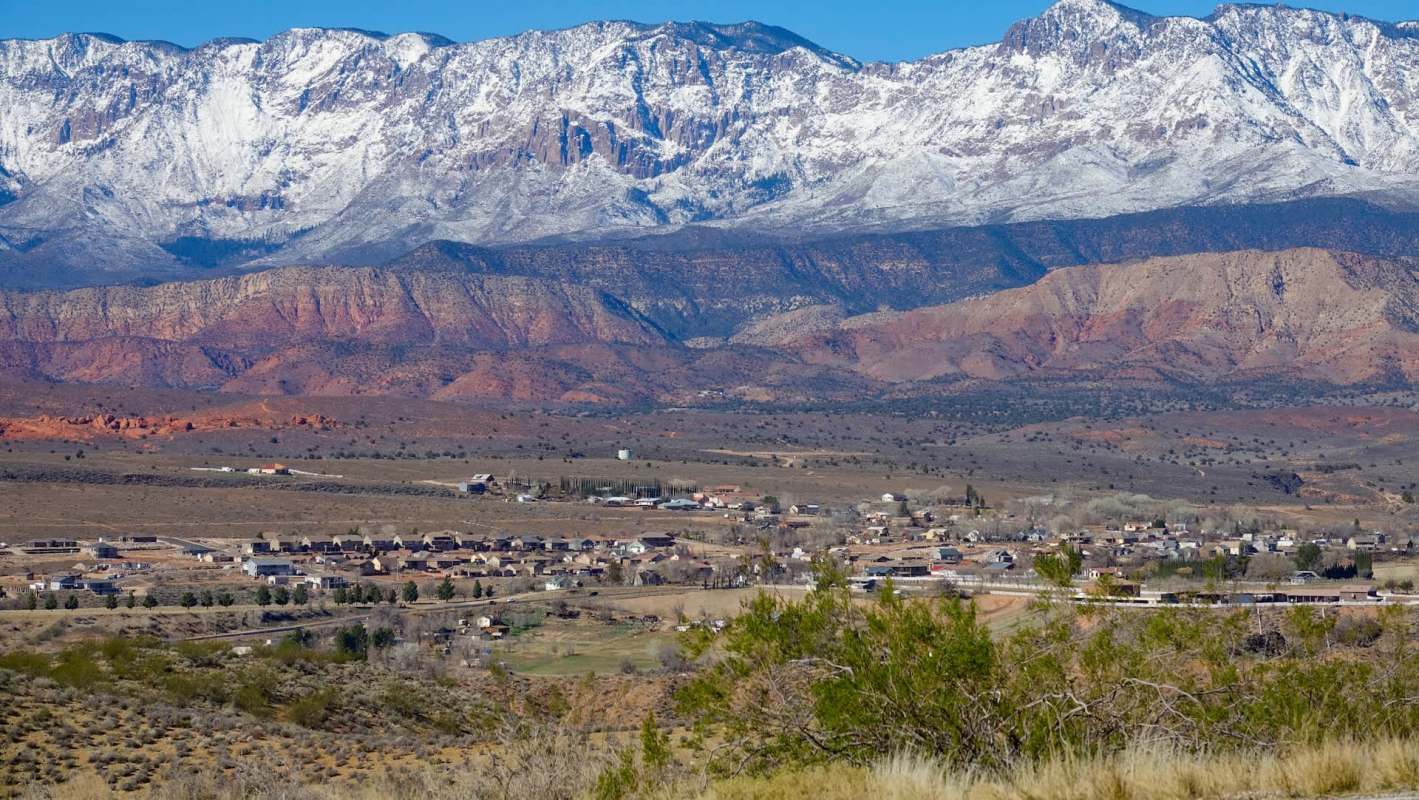
Residents of Emery, Utah, say this year's drought has brought the town to a level of water scarcity they do not recall experiencing before.
What's happening?
With the town ditch down to about 6% of its usual flow, local officials, ranchers, and households are all trying to stretch limited supplies for taps, fields, and animals, Fox 13 News Utah reported.
Local rancher Kirk Christiansen said the current shortage is even more severe than the drought of 1977, saying that "water isn't just limited this year, it's nearly gone" and "it's atrocious."
Mayor Jack Funk said the town has cut off secondary irrigation water so culinary water can be reserved for basic uses like drinking and bathing.
For ranchers, the shortage is worsening quickly.
One reservoir that can normally store about 600 acre-feet of water reached only 30% to 40% of capacity this year, Christiansen told Fox 13, leaving farmers to draw down that supply far earlier than they typically would.
TCD Picks » Quince Spotlight
💡These best-sellers from Quince deliver affordable, sustainable luxury for all




He said he usually buys around 200 bales of hay, but this season he expects to buy 600 to 700 because cattle will have to come off the mountain sooner than normal.
Why does it matter?
When drought reaches this level, it can threaten drinking water supplies, crop production, livestock, and local economies.
For families in farming and ranching communities, low water supplies can mean rising feed costs, reduced crop production, and difficult decisions about whether to keep livestock.
Prolonged drought can also intensify wildfire risk, strain household budgets, and leave rural communities more vulnerable to future shocks.
What's being done?
With secondary water turned off, town residents are urged to limit their use of culinary water as much as they can.
Christiansen said ranchers are looking for ways to adjust quickly, including finding pasture and feed outside the area and, if needed, moving cattle elsewhere instead of keeping them in Emery.
That option is also getting harder to secure because drought is affecting other parts of the West.
Local officials continue to advocate for a reservoir that could capture runoff during wetter years and provide greater stability for the town's water supply.
Funk said the proposal remains in the feasibility and environmental review stage, and any eventual build-out would likely take years. He estimated the cost of such a reservoir at $30 million or more.
"We have to just be real proactive and think outside the box," Christiansen told Fox 13.

Get TCD's free newsletters for easy tips, smart advice, and a chance to earn $5,000 toward home upgrades. To see more stories like this one, change your Google preferences here.







