


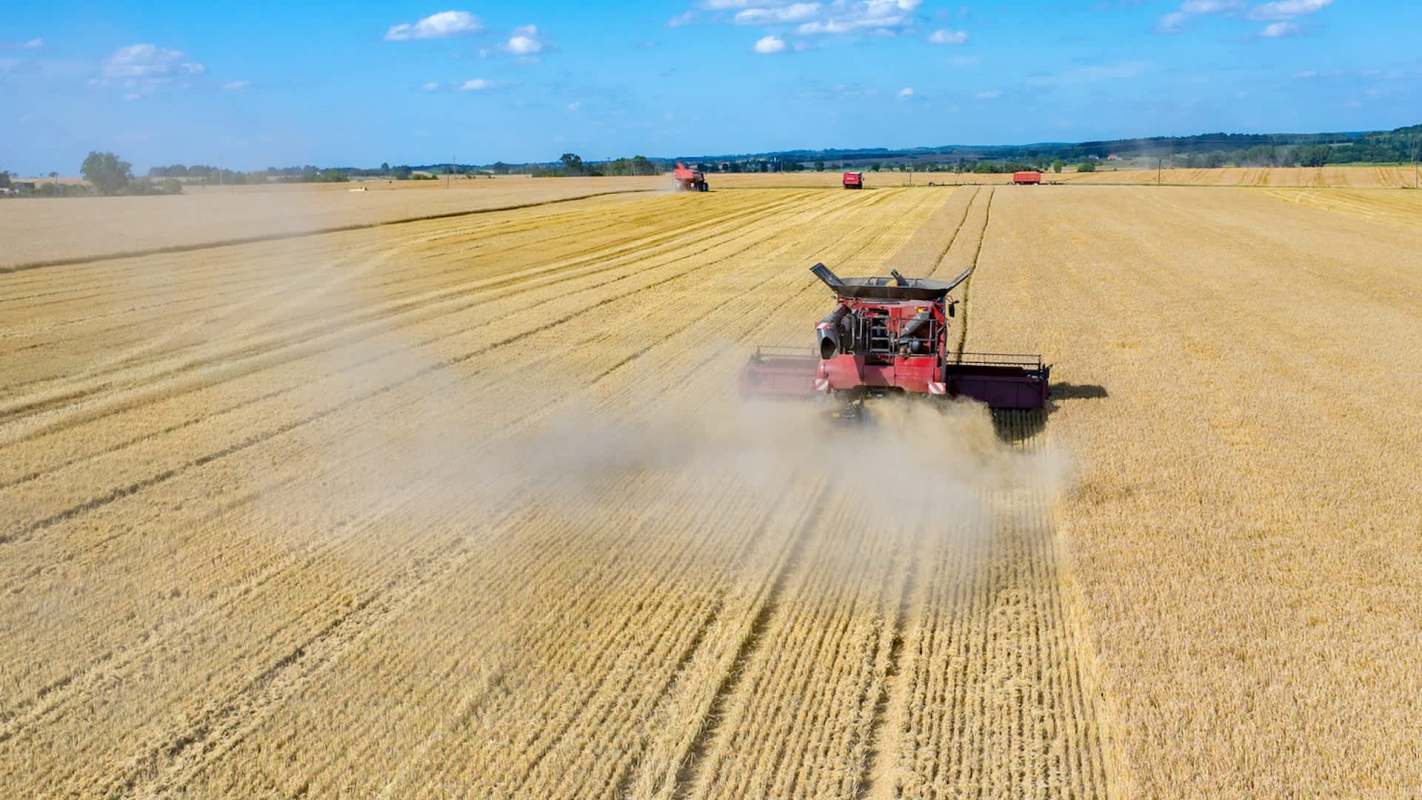
The U.S. wheat harvest is headed for its smallest crop since 1972, according to the Department of Agriculture's first official forecast for the 2026/27 season.
This is an early sign of how the worsening drought in the Plains and higher production costs are putting growing pressure on American farmers, AgWeb reported.
At the same time, soybean production is expected to climb to one of the biggest crops on record, underscoring how growers are turning to crops that are cheaper to raise.
According to Reuters, the USDA is forecasting 1.561 billion bushels of U.S. wheat for 2026/27, compared with 1.985 billion bushels the year before.
If that forecast holds, it would be the country's smallest wheat crop in more than 50 years.
The steepest decline is expected in hard red winter wheat, the most widely grown variety in the U.S.
TCD Picks » Quince Spotlight
💡These best-sellers from Quince deliver affordable, sustainable luxury for all




Production of that crop is projected to fall 25% from last year after severe drought across the Plains weakened fields.
Reuters also reported that a separate USDA weekly update put only 28% of the winter wheat crop in good-to-excellent condition, the worst showing for this stage of the season in four years.
The USDA's outlook for soybeans and corn looked very different.
Soybean production is forecast at 4.435 billion bushels, which would make it the second-largest U.S. soybean crop ever recorded.
Corn production, meanwhile, is expected to total 15.995 billion bushels, down 6% from last year's record.
Part of that shift comes down to costs. Soybeans generally require less fertilizer than corn and wheat, which matters at a time when farmers have been hit by rising fuel and fertilizer prices.
Those pressures have been worsened by disruptions tied to the closure of the Strait of Hormuz. Trade tensions have also added uncertainty, especially for soybeans, as China, the world's top importer, has scaled back U.S. purchases.
A historically small wheat crop matters far beyond farm country. Wheat is a key ingredient in bread, pasta, cereal, and many other foods, so a major drop in production can ripple through supply chains, raise price pressure, and add strain to food systems that are already dealing with instability.
It also points to a larger pattern: Extreme weather is becoming more disruptive for agriculture.
Drought dries out soil, stresses crops, and lowers yields, while warmer temperatures can intensify evaporation and leave farming regions more exposed to long dry spells.
When poor harvests collide with surging input costs, the financial damage can spread quickly through rural communities. Weaker harvests can cut farm income, hurt local businesses, increase food costs, and undermine the economic stability of communities that rely on agriculture.
There is also a broader warning about resilience. If drought keeps hammering major growing regions while fertilizer, fuel, and trade disruptions remain unpredictable, farmers may have to rethink what they plant, how much they plant, and whether some crops remain financially practical at all. Over time, that could reshape U.S. food production.
In the short term, farmers are already adjusting. This year's larger soybean footprint is one example of growers responding to tighter margins and higher fertilizer costs by shifting toward crops that may be less expensive to produce.

Get TCD's free newsletters for easy tips, smart advice, and a chance to earn $5,000 toward home upgrades. To see more stories like this one, change your Google preferences here.







