


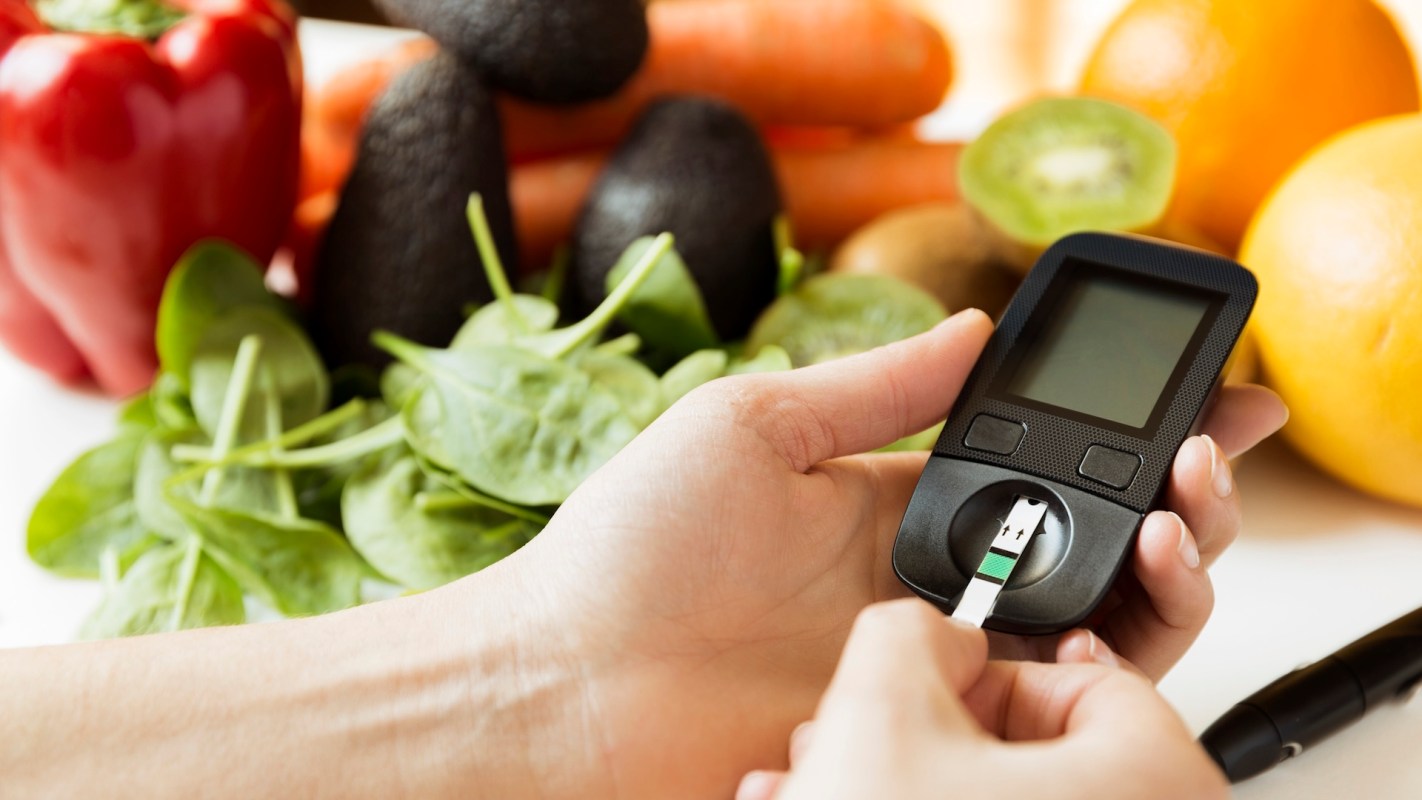
A Type 2 diabetes patient reported that switching to a vegan diet for about two weeks coincided with a sharp improvement in blood sugar, and the account drew strong encouragement from other users who described comparable experiences.
What happened?
According to the post on r/PlantBasedDiet, their blood sugar had been running between 15.5 and 17 mmol/L before the diet change. After around 14 days of eating plant-based, they said the number fell as low as 5.3 mmol/L, leading them to think about sticking with it long term.
Describing the change, the poster said they went "full vegan for around a two week period" and that "I've felt so much better" with higher energy. They also reported a drop in blood sugar from persistently elevated readings to levels far closer to normal.
Of course, the results are anecdotal from one person in a sample size of one, but there is some science behind the results, and many hospital diabetes resource centers recommend reducing fat and meat intake.
At the center of the discussion was the poster's request for feedback from other people with diabetes on whether going vegan had produced similar changes for them.
The comment section was overwhelmingly positive, with responses from people dealing with Type 2 diabetes, prediabetes, and Type 1 diabetes. Across those replies, many emphasized that the strongest results were tied not simply to avoiding animal products.
TCD Picks » Quince Spotlight
💡These best-sellers from Quince deliver affordable, sustainable luxury for all




"A low-fat, plant-based (WHOLE plant-based, not just "vegan") diet is excellent for blood sugar control in general, and reducing insulin-resistance in most diabetics, both T1 and T2," a commenter said. "It's so cool that you saw concrete evidence of this in yourself!"
Users also repeatedly referenced the New York Times bestseller "Mastering Diabetes."
Why does it matter?
People in the thread offered specific examples of improvement. One commenter said a low-fat, low-sugar whole-food plant-based diet brought both their A1C and their spouse's back into the normal range, while another said they moved from a prediabetic 5.8 A1C to normal and that their father went from 11.3 A1C to what they called a reversal.
Another recurring point was the role of saturated fat in insulin resistance, with commenters singling out animal products and some processed oils. In their view, the details of a plant-based diet can be as important as whether it carries the vegan label.
The community's success pointed to the health benefits of eating more plant-based food. Just like in the OP's experience, studies show these diets deliver real health results for eaters, and there're ample benefits for the environment, to boot.
What can I do?
The advice that came up most often was to build meals around whole plant foods instead of relying heavily on processed vegan substitutes.
Several commenters stressed that the "low fat aspect is key," and some warned that palm oil and coconut oil are common ingredients in vegan convenience products.
The idea came up again and again that simple, minimally processed plant foods were favored, while imitation meats high in saturated fat were seen as less useful for managing blood sugar.
Overall, the conversation drew a line between the quality of the food and the broad category it falls into. In the thread, many people argued that "whole-food plant-based" and "vegan" do not necessarily mean the same thing, and that the distinction may matter for blood sugar.

Get TCD's free newsletters for easy tips, smart advice, and a chance to earn $5,000 toward home upgrades. To see more stories like this one, change your Google preferences here.







