


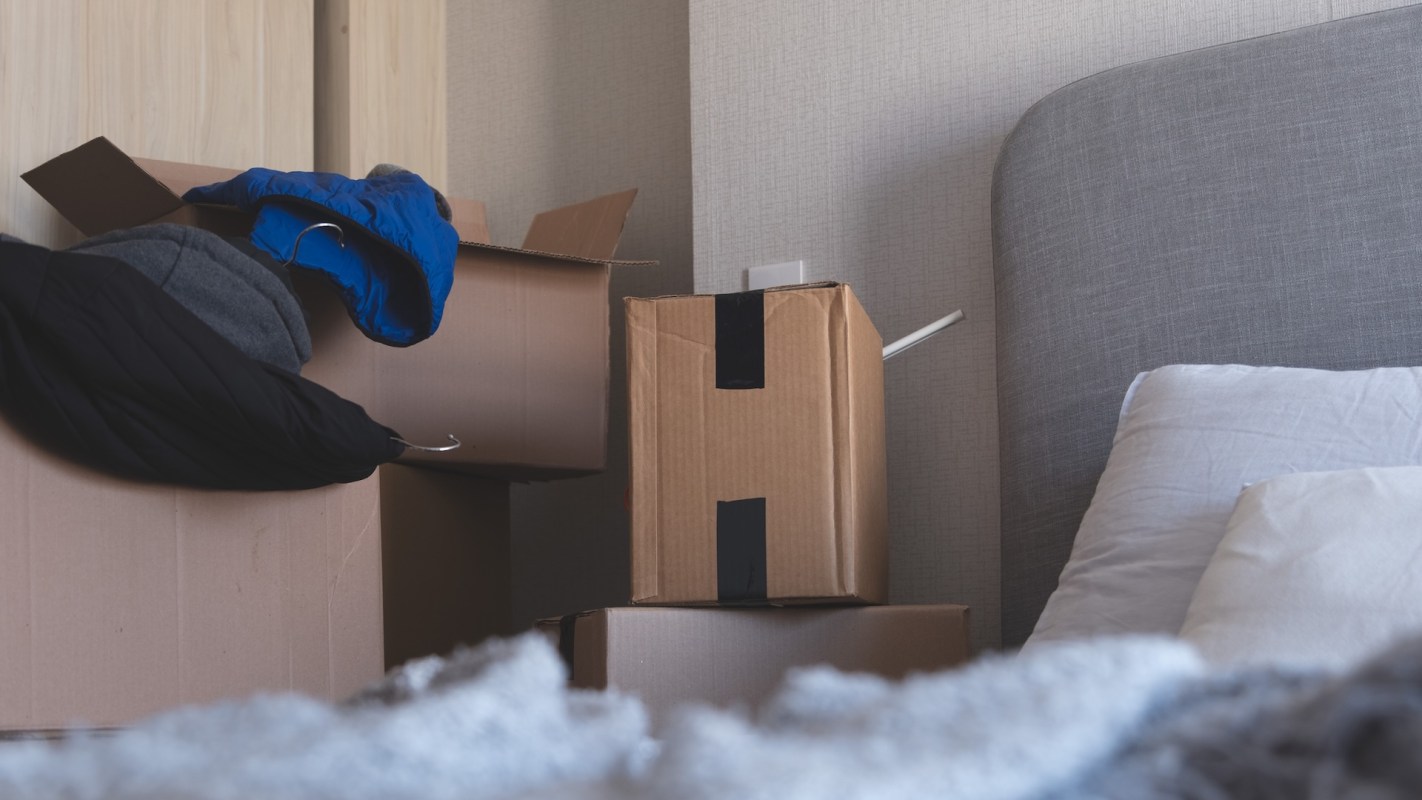
An apartment space has become a point of conflict for one person who says their partner keeps bringing home new purchases faster than anything is ever cleared out.
In an online post, they said the buildup includes gaming gear, older consoles, clothes, and shoes, which has left their shared home feeling more crowded over time.
What's happening?
According to the Reddit post in the r/Anticonsumption forum, the user's apartment storage is nearly exhausted as one shopping phase rolls into the next. The pattern, they said, has shifted from buying a new console to collecting vintage ones and then to clothes and footwear, with little ever being sold, donated, or otherwise removed.
The replies were largely sympathetic, but commenters disagreed on how to explain the behavior. Some pointed to dopamine-seeking, hyper-fixation, or impulse spending that can overlap with ADHD, while others argued that such labels should not become a blanket excuse for conduct that burdens a partner.
A number of people focused on the experience of the person sharing the space. Even without making the purchases themselves, that partner still has to deal with shrinking storage, mounting frustration, and the stress of watching the apartment fill up.
Why does it matter?
For many households, overconsumption is not just about spending too much money — it can also cost space, peace of mind, and time. When closets, shelves, and corners are packed, people may start to think they need a larger apartment or more storage containers, when the real issue is simply too much stuff coming in.
TCD Picks » Quince Spotlight
💡These best-sellers from Quince deliver affordable, sustainable luxury for all




Extra purchases can also lead to more storage solutions, late fees, duplicate items, or even moves to bigger spaces that put even more pressure on a household budget.
Several commenters framed the situation as a compatibility issue, noting that major differences in spending and consumption habits can become a serious source of tension in a relationship.
What can be done?
Among the most common suggestions was to have a direct conversation and stop viewing each purchase only through its price tag. Treating new items as costs in both money and physical space can be eye-opening.
"Have him watch a bunch of fast fashion, over consumption documentaries or watch them yourself to have him tune in. The best way to change this behavior is through education!" another user advised.
For people concerned about impulse spending, a waiting period may also help. If the behavior begins to feel compulsive, professional support may be worth considering, especially if it is starting to harm the relationship or household finances.

Get TCD's free newsletters for easy tips, smart advice, and a chance to earn $5,000 toward home upgrades. To see more stories like this one, change your Google preferences here.






