


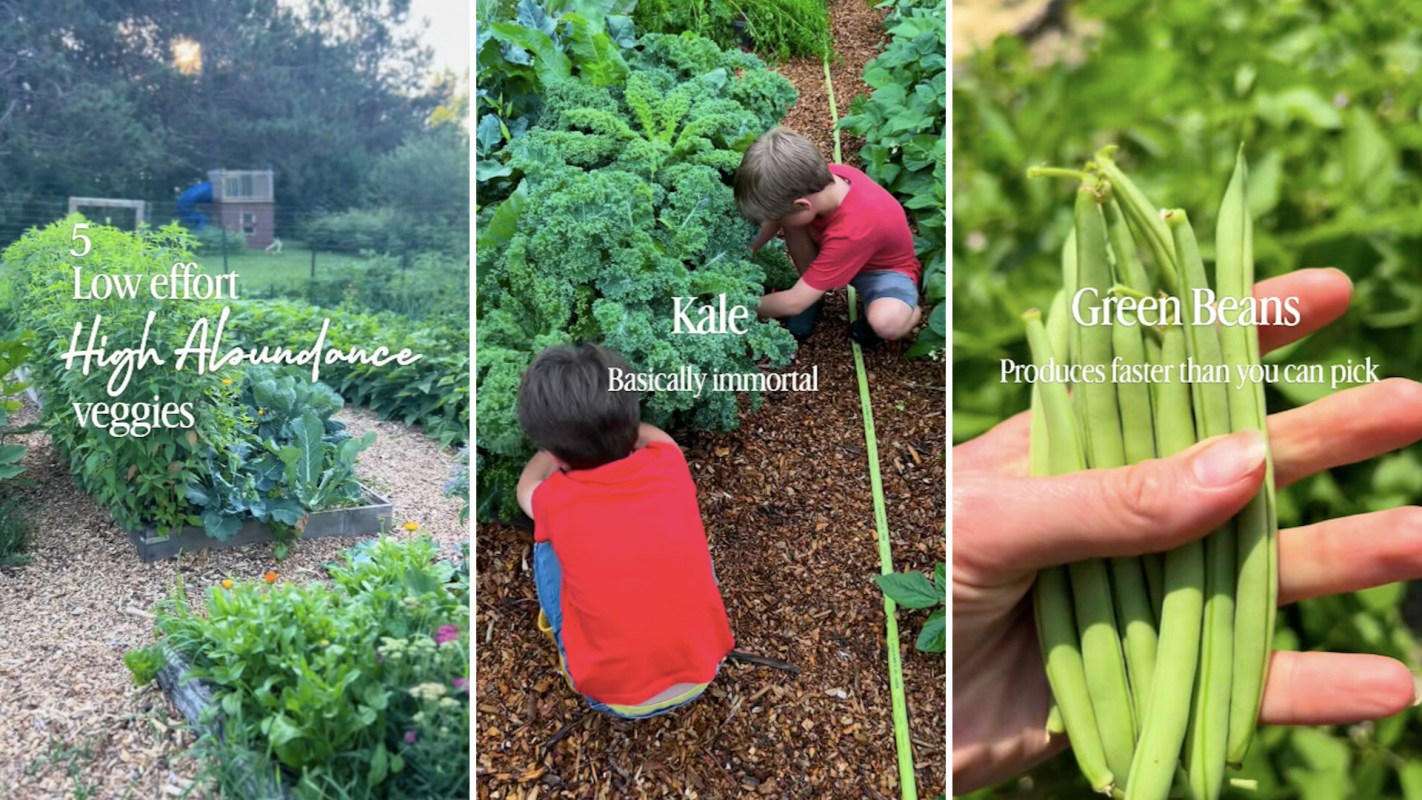
A gardener on TikTok shared a simple idea many backyard growers can get behind. It might be best to target the crops that do the most work for you.
In a post, creator Cultivating Roots (@cultivating.roots) pointed followers to 15 crops that are especially productive for the amount of work involved, calling them the garden's "overachievers."
What's happening?
The video focuses on five fruits, vegetables, and herbs that keep producing after they get established, and Cultivating Roots provided a total of 15 suggestions in the caption.
@cultivating.roots The overachievers of the garden👇 For abundant harvests with the least amount of effort I'd grow these: • Zucchini: feeds the whole neighborhood • Green beans: produces faster than you can pick • Cherry tomatoes: won't stop until frost • Cucumbers: there's somehow more every day • Kale: basically immortal • Lettuce: cut & come again all spring & fall • Snap peas: the snack that keeps growing • Basil: the more you pick, the more it grows • Potatoes: like digging up buried treasure • Summer squash: there's always more tomorrow • Edamame: surprisingly heavy harvests • Arugula: ready before you remember planting it • Chives: thrives on neglect • Parsley: quietly produces all season • Mint: grows a little TOO well 💫 Let me know what you would add to the list & follow along for more gardening fun all season long! *************** #garden #gardening #gardeningtips ♬ original sound - Cultivating Roots
Among the plants featured were zucchini, green beans, cherry tomatoes, cucumbers, kale, lettuce, snap peas, basil, potatoes, and summer squash.
The creator summed up the idea in the caption by framing them as ideal "for abundant harvests with the least amount of effort."
Among the examples, the creator called zucchini something that "feeds the whole neighborhood," said green beans "produce faster than you can pick," and noted cherry tomatoes "won't stop until frost."
TCD Picks » Quince Spotlight
💡These best-sellers from Quince deliver affordable, sustainable luxury for all




The same theme ran through the rest of the selections, with lettuce described as "cut and come again all spring and fall," basil highlighted because "the more you pick, the more it grows," and potatoes compared to "buried treasure."
Commenters were on board, with several saying they had already started many of the same crops.
"Planted every single one of these this year. So excited!!!!" one wrote.
Why does it matter?
Choosing reliable, high-yield crops can improve the odds of success and lower the barrier to getting started. If just a few plants keep producing over the course of weeks or months, that can mean fewer grocery store runs and lower produce bills.
Homegrown produce often tastes better because it can be picked at peak ripeness instead of being harvested early for shipping. A bowl of cherry tomatoes, a handful of basil, or freshly dug potatoes can go straight from garden to kitchen.
Gardening can also support physical and mental health. It gets people outside, encourages movement, and reduces stress.
Even a small garden bed or a few containers can offer a satisfying routine while helping families feel more connected to their food. The post also reflects interest in practical, low-cost ways to grow food at home, especially as grocery prices remain top of mind for many households.
There are also benefits on the environmental front, as growing food at home can lessen pollution and the need for resources driven by demand for store-bought produce.
What can I do?
If you want to cultivate a productive garden without taking on too much at once, it may be best to start with two or three crops from the list that fit your space and climate.
Green beans, cherry tomatoes, lettuce, and basil are often solid options for beginners, while zucchini and cucumbers can be great choices if you have room to let them spread or climb.
It also helps to build around repeat harvests. "Cut and come again" greens such as lettuce and hardy picks such as kale can keep producing over time.
Herbs such as basil reward regular picking, and snap peas can produce steadily if you harvest often.

Get TCD's free newsletters for easy tips, smart advice, and a chance to earn $5,000 toward home upgrades. To see more stories like this one, change your Google preferences here.






