


Hawai'i's invasive species crews are warning that they cannot stop outbreaks on their own. Something as simple as failing to report a pest can turn a manageable problem into a much larger one.
In a TikTok by Here in Hawai'i (@hereinhawaiitv), an expert made an urgent case for public cooperation, saying early action is often the difference between a successful response and a far more serious infestation.
@hereinhawaiitv The crews can't catch invasives alone — they need us to let them into yards, report sightings, and pay attention. Watch the full episode (Flood Control: OISC) → link in bio. Follow the Invasive Species Committee on your island to know what to look out for: 💛 Oʻahu (OSIC) – https://www.instagram.com/oahuisc/ ❤️ Big Island (BIISC) – https://www.instagram.com/bigislandinvasivespecies/ 🩷 Maui (MISC) – https://www.instagram.com/mauiinvasive/ 💜 Kaua'i (KISC) – https://www.instagram.com/kauaiisc/ 💚 Molokaʻi (MoMISC) – https://molokaiisc.org/
♬ original sound - Here in Hawai'i
Hawai'i's island-based invasive species teams rely heavily on residents to notice unusual animals or insects, report them quickly, and allow crews to inspect or treat yards.
The speaker explained that the level of concern depends on both the island and the species involved.
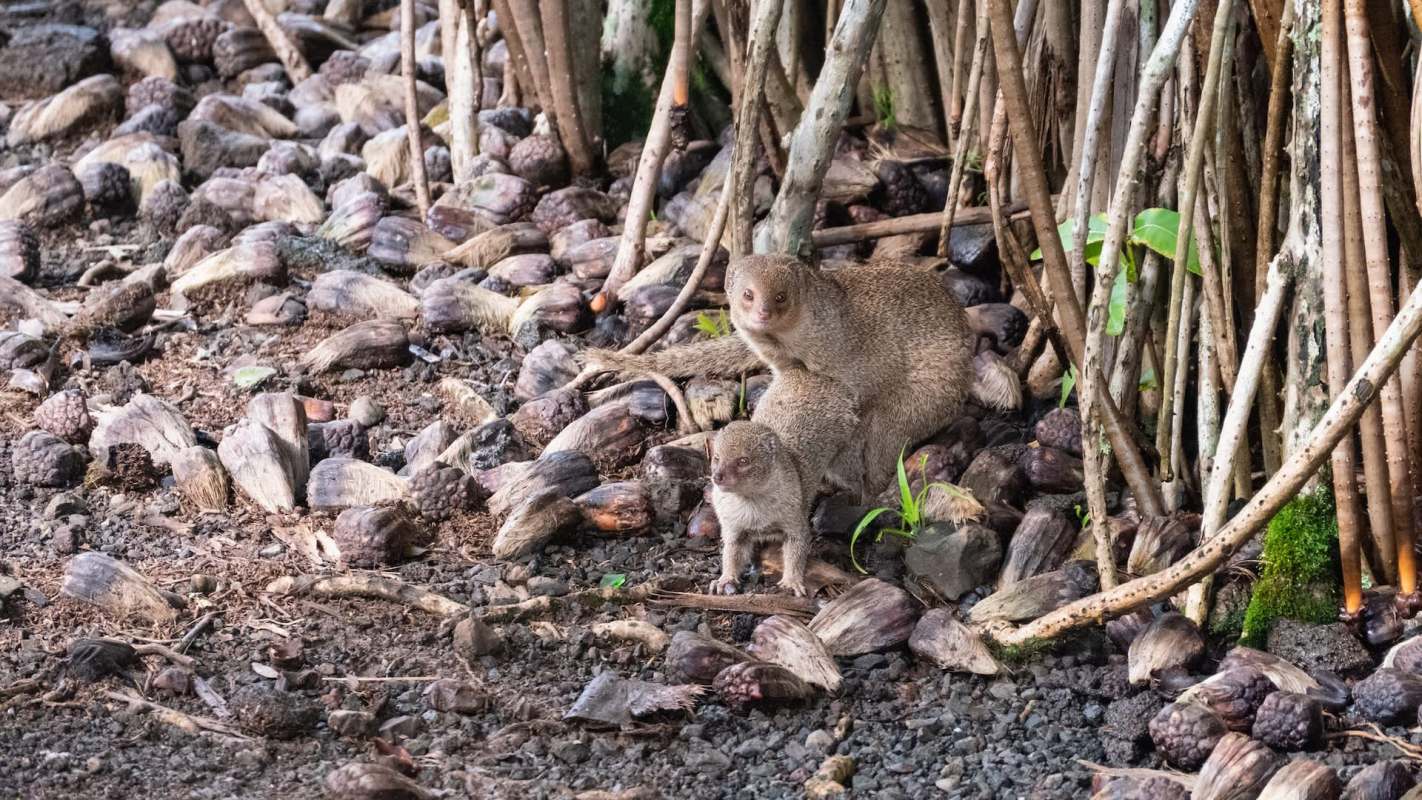
A mongoose sighting on O'ahu, for example, would not trigger a response because the animal is widespread there. But on Kaua'i, where mongooses are not established, a report would prompt an immediate response from the Kaua'i Invasive Species Committee.
In the clip, the speaker says public involvement is especially important in the "early stages of infestation," when survey work and treatment still have a real chance of containing the problem.
TCD Picks » Quince Spotlight
💡These best-sellers from Quince deliver affordable, sustainable luxury for all




When invasive species gain a foothold, they can become costly, disruptive, and nearly impossible to eliminate. The video warns that if people do not report sightings, stay alert, and cooperate with inspections and treatment, what starts as a small issue can become a lasting burden for neighborhoods and ecosystems.
Residents may face more pests around homes and yards, while farmers, native plants, and wildlife can all be put at risk when harmful species spread unchecked.
The message is that prevention and rapid response are easier than trying to reverse a large-scale invasion later.
Hawai'i already has island-specific response teams focused on invasive species. Rather than treating every sighting the same way, crews assess how established a species is and prioritize reports that could help stop a new outbreak early.
The post encouraged residents to keep up with the invasive species committee for their islands: OISC for O'ahu, Big Island ISC for Hawai'i Island, MISC for Maui, KISC for Kaua'i, and Moloka'i-Maui ISC for Moloka'i.
"That sort of cooperation is very critical," the speaker said, because without it, "it then becomes this huge, huge problem."

Get TCD's free newsletters for easy tips, smart advice, and a chance to earn $5,000 toward home upgrades. To see more stories like this one, change your Google preferences here.






