


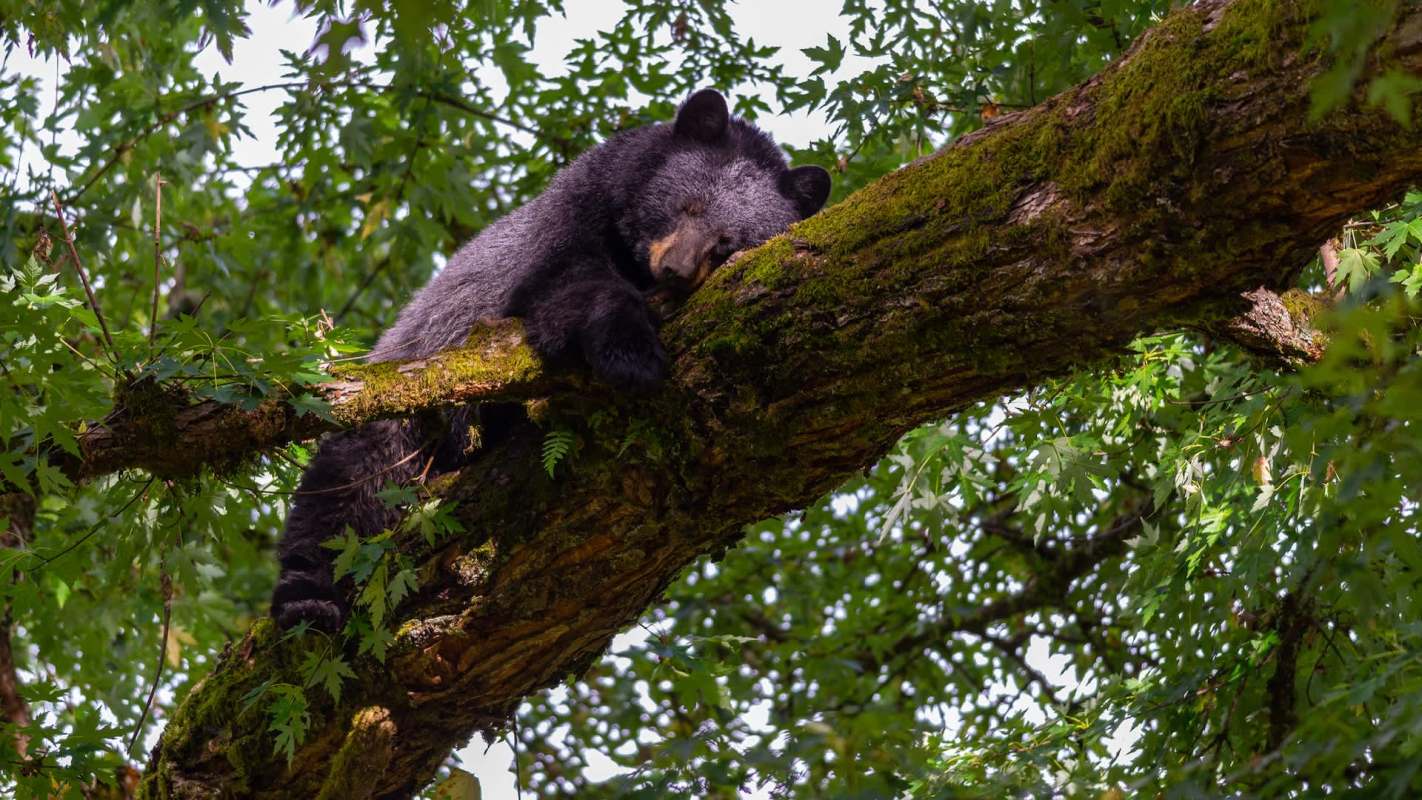
A black bear turned a neighborhood tree in southern Arizona into an unlikely place to nap, reminding residents that extreme weather conditions can drive wildlife into human-dominated spaces.
The sighting was one of several reported across the region in just a matter of days.
What's happening?
According to KOLD News 13, Sahuarita police said a black bear was found lounging in a tree in Rancho Sahuarita on Tuesday, June 2. A 911 caller reported that the same animal had apparently been seen earlier that day in Green Valley.
Arizona Game and Fish believes it may have been the same bear spotted on Sunday, May 31, near Interstate 19 and Continental Road, suggesting the animal had moved through several populated areas in a short span of time.
A bear cub was also seen earlier that same day in Vail near East Windswept Way and South Shalom Drive. Altogether, there were four reported bear sightings in southern Arizona this week.
The sightings follow another encounter in the region last year, when a bear cub roamed through an Oro Valley grocery store and a nearby Starbucks while both were open.
TCD Picks » Quince Spotlight
💡These best-sellers from Quince deliver affordable, sustainable luxury for all




With triple-digit heat in the forecast across Tucson and surrounding communities, officials say more sightings are likely.
Why do these sightings matter?
These encounters are unusual. As heat and drought worsen, and water and food become scarcer in higher-elevation habitats, bears may travel farther in search of relief, sometimes ending up in neighborhoods, shopping areas, and along busy roads.
Human activity can worsen the problem. Expanding development pushes homes, traffic, and commercial areas deeper into wildlife habitat, while easy food sources such as trash, pet food, and irrigated landscaping can draw animals closer to people.
Residents may face dangerous close encounters, while bears can be hit by cars, stressed by relocation, or euthanized in more severe cases if conflicts escalate.
What's next?
The Arizona Game and Fish Department responded by tranquilizing and relocating the Rancho Sahuarita bear, and the agency has warned residents that sightings may become more common over the next few weeks as hot, dry conditions persist.
Officials asked the public not to approach bears and to call the Arizona Game and Fish Department at 623-236-7201 right away.
Communities may need to think more seriously about how heat, drought, and development overlap. That can include smarter land-use decisions and better habitat connectivity.

Get TCD's free newsletters for easy tips, smart advice, and a chance to earn $5,000 toward home upgrades. To see more stories like this one, change your Google preferences here.







