


Reno's fast-growing debate over data centers has taken a major turn.
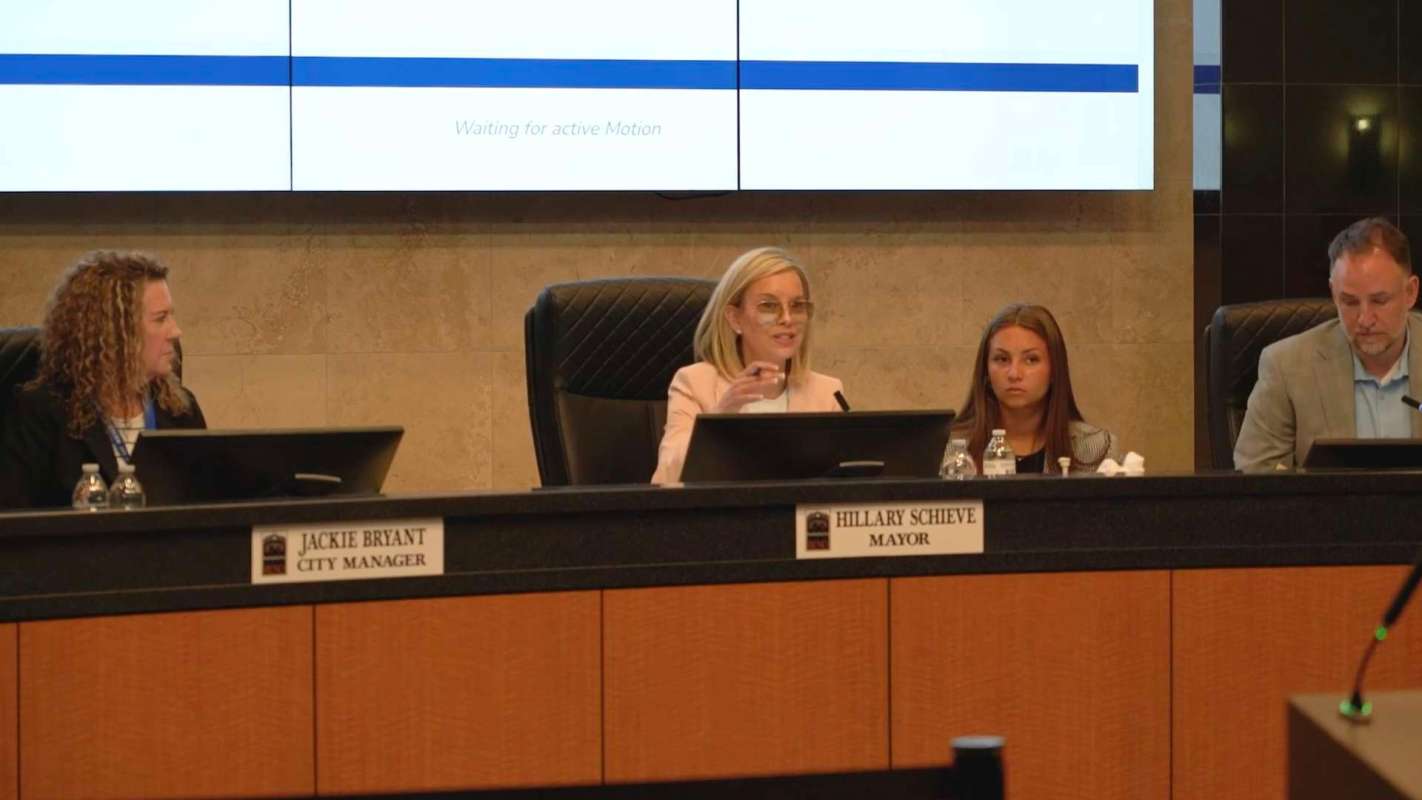
In a move drawing attention well beyond Nevada, the Reno City Council voted 6-to-1 to halt approvals for new data centers through August 2027 as officials examine issues including water consumption, power demand, noise, and tax-abatement policy.
What happened?
On Monday, Reno leaders approved a temporary moratorium on new data centers, with council member Kathleen Taylor casting the lone dissenting vote. The pause is meant to give city officials time to draft new rules before allowing additional large-scale projects to move forward.
More than 50 cities across the U.S. have some form of ban or pause on new data center construction. Reno is joining places such as Fort Worth, Carson City, and Atlanta, where disputes over local authority and hyperscale projects have been intensifying.
Online discussion intensified after residents packed council chambers in recent weeks to protest plans tied to Keystone Data Center. Opponents argued the project could put pressure on utility rates and further strain the Truckee River. Mayor Hillary Schieve said Reno needs time to assess how "gigawatt-scale" proposals could cumulatively affect housing and ratepayers before more approvals.
Why does it matter?
Critics say some facilities focused on artificial intelligence may draw as much as 7 million gallons of water a day — similar to the amount of water that homes in a small city use. They also warn that the enormous electricity demand can shift grid costs onto households, potentially contributing to higher monthly bills.
TCD Picks » Quince Spotlight
💡These best-sellers from Quince deliver affordable, sustainable luxury for all




Data centers power everything from cloud storage to emerging AI tools, giving them a growing connection to the energy grid. AI can deliver clear benefits, including helping utilities forecast demand, reduce waste, and better integrate renewable energy. But the infrastructure behind AI can also consume vast amounts of power and water. It also raises concerns about security, misuse, and unintended consequences such as rising energy costs for communities that host these facilities.
Reno's vote reflects a broader question playing out across the country: How should cities balance economic development with environmental limits and affordability for residents?
What are people saying?
Schieve framed the pause as a necessary timeout, saying Reno needs to understand how these projects affect housing, ratepayers, and local resources before allowing more growth.
Residents who turned out to oppose Keystone's plans focused on two central concerns: pressure on the already stressed Truckee River and the possibility that utility costs could rise. Reno's no-vote showed that not everyone agrees with freezing development, even as local resistance builds.
Across the broader debate, critics keep returning to the same warning: Without stricter rules, the AI boom could leave ordinary residents paying more for water and power.

Get TCD's free newsletters for easy tips, smart advice, and a chance to earn $5,000 toward home upgrades. To see more stories like this one, change your Google preferences here.






