


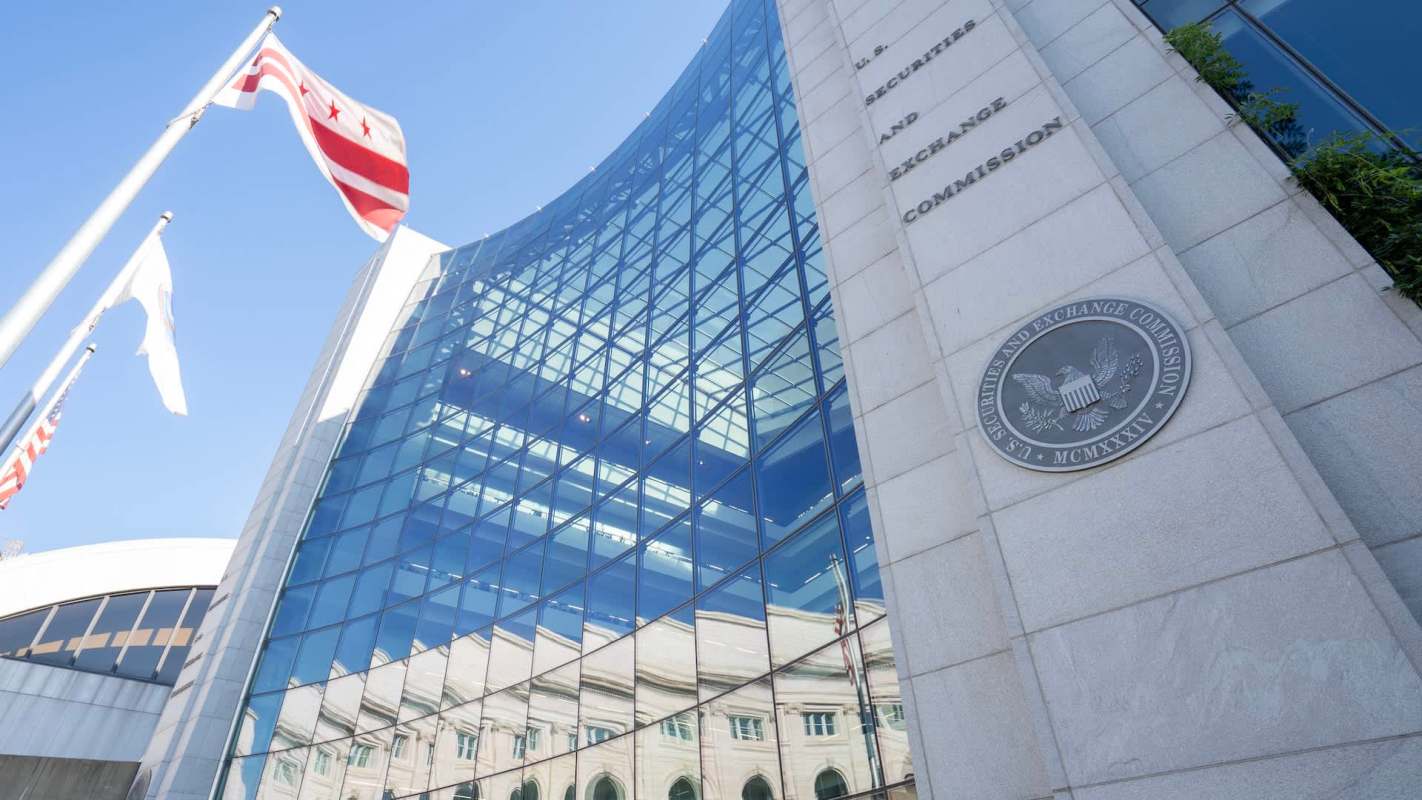
The Securities and Exchange Commission is moving to erase one of the federal government's biggest corporate climate transparency rules.
If the proposal moves forward, many Americans could find it harder to determine which companies are prepared for a hotter, more disaster-prone future.
What's happening?
On Friday, May 29, the SEC moved to scrap a 2024 rule that would have required some public companies to disclose their greenhouse gas emissions and climate-related financial risks, the Associated Press reported.
The rule had already been put on hold after court challenges from business groups and Republican state attorneys general, but the agency is now seeking to eliminate it altogether.
The Republican-led commission argued that the disclosure rules "exceed the scope of the agency's statutory authority" and place costly burdens on companies and shareholders.
SEC Chair Paul Atkins added that removing the rule would avoid "dictating corporate behavior."
TCD Picks » Quince Spotlight
💡These best-sellers from Quince deliver affordable, sustainable luxury for all




Why does it matter?
According to the AP, supporters of the disclosure rule say this is not just a paperwork dispute — it is about whether investors, workers, and retirees can see major financial risks before they hit.
Climate-fueled floods, wildfires, extreme heat, and supply chain disruptions can all reshape a company's bottom line, and the effects can ripple through 401(k)s, pension funds, and household savings.
Without consistent disclosure requirements, companies may disclose climate risks unevenly — or not at all — making it harder to compare investments or understand where money is exposed.
That lack of transparency can also slow progress toward a cleaner economy, as businesses face less pressure to account for pollution and prepare for the realities of a changing climate.
The rollback fits into a broader wave of federal climate reversals that critics say could leave communities less resilient and less informed.
What are people saying?
Environmental and investor advocates were quick to criticize the move.
Kathy Fallon of the Clean Air Task Force said the rule, while "imperfect," was still an important step toward giving investors "consistent information about financially material climate risks," the AP reported.
Tom Zimpleman of the Natural Resources Defense Council put it more bluntly: "Climate risk is financial risk."
Sen. Ed Markey said the SEC should protect Americans' "retirement security, union pensions and savings," rather than leave them vulnerable to companies with risky business models or heavy pollution exposure.
A 60-day public comment period began after the proposal was formally published in the Federal Register on June 3.
The period for comment will close Aug. 3.

Get TCD's free newsletters for easy tips, smart advice, and a chance to earn $5,000 toward home upgrades. To see more stories like this one, change your Google preferences here.






