


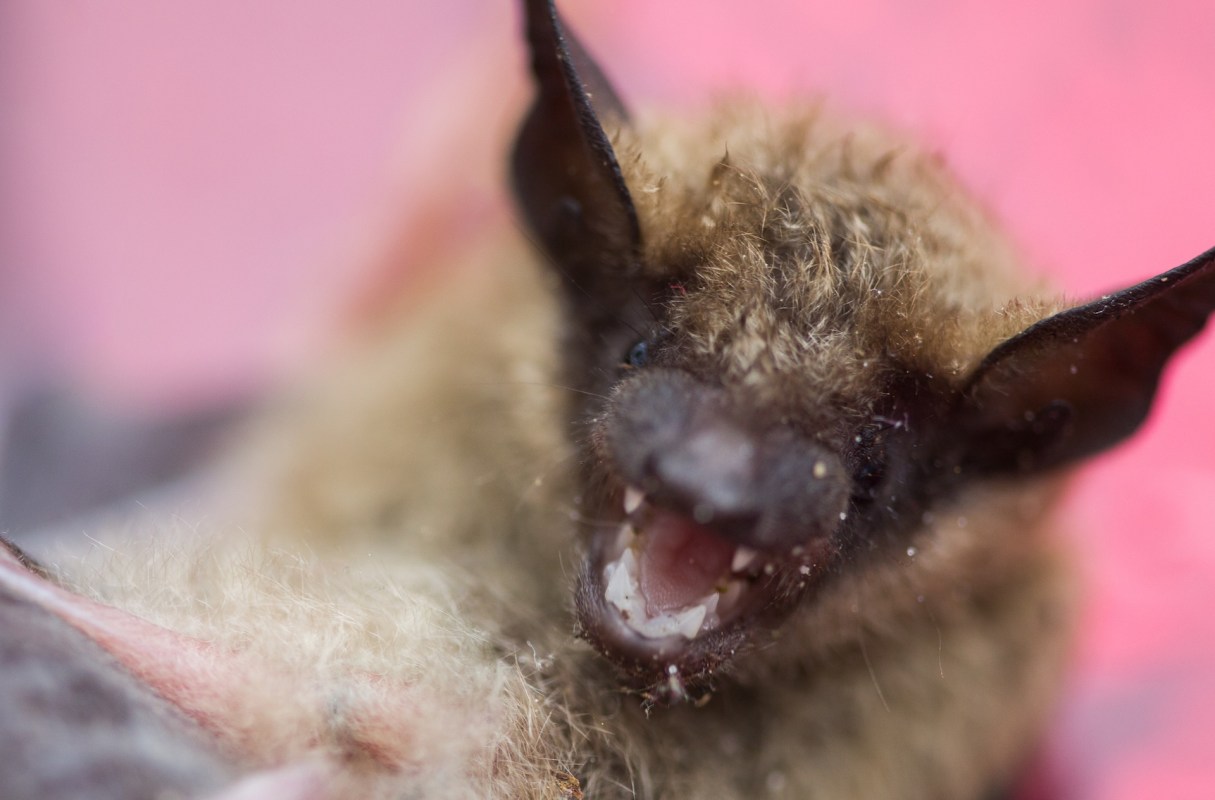
A bat that flew into a home in Snohomish County, Washington, has sent three residents into urgent rabies treatment.
While human rabies is rare in Washington, the disease is almost always fatal once symptoms begin.
What's happening?
The Snohomish County Health Department said the bat entered a private home in rural eastern Snohomish County, Hoodline reported.
It was captured the next day, taken to a wildlife center, and confirmed positive for rabies by the Washington State Public Health Laboratory.
Three people in the home are now receiving post-exposure treatment, which includes human rabies immune globulin and multiple vaccine doses. Public health staff is also arranging follow-up, testing, and treatment for any other people or animals that may have been exposed, including pets.
Officials said this is Snohomish County's first rabies-positive bat since 2023 and Washington's second confirmed rabid bat this year.
TCD Picks » Quince Spotlight
💡These best-sellers from Quince deliver affordable, sustainable luxury for all




The Washington State Department of Health says bats are the state's most likely rabies carriers.
"Bat season has officially started," Susan Babcock, a public health nurse with the department's prevention services division, said in the county's May 29 release.
Why does it matter?
Even though fewer than 1% of wild bats carry rabies, the disease is nearly always deadly once symptoms appear, making post-exposure treatment especially critical.
Possible exposure situations — especially those involving sleeping people, children, or pets — are treated as medical priorities.
Health officials warned that bat bites can be tiny and painless, which means people may not realize they were exposed.
What can I do?
Officials say the most important step is simple: Do not handle bats with bare hands.
If a bat may have touched a person or pet, avoid releasing it if possible, since testing may be needed to rule out rabies.
To reduce the chance of future encounters, residents can seal small openings around the home, cover chimneys, and keep doors and window screens in good repair.
Pet owners should also keep rabies vaccinations current. If you think a person or pet may have been exposed, contact a health professional or local public health department right away.
Post-exposure treatment is highly effective when given quickly, and officials recommend an evaluation whenever there is a reasonable chance of contact.

Get TCD's free newsletters for easy tips, smart advice, and a chance to earn $5,000 toward home upgrades. To see more stories like this one, change your Google preferences here.






