


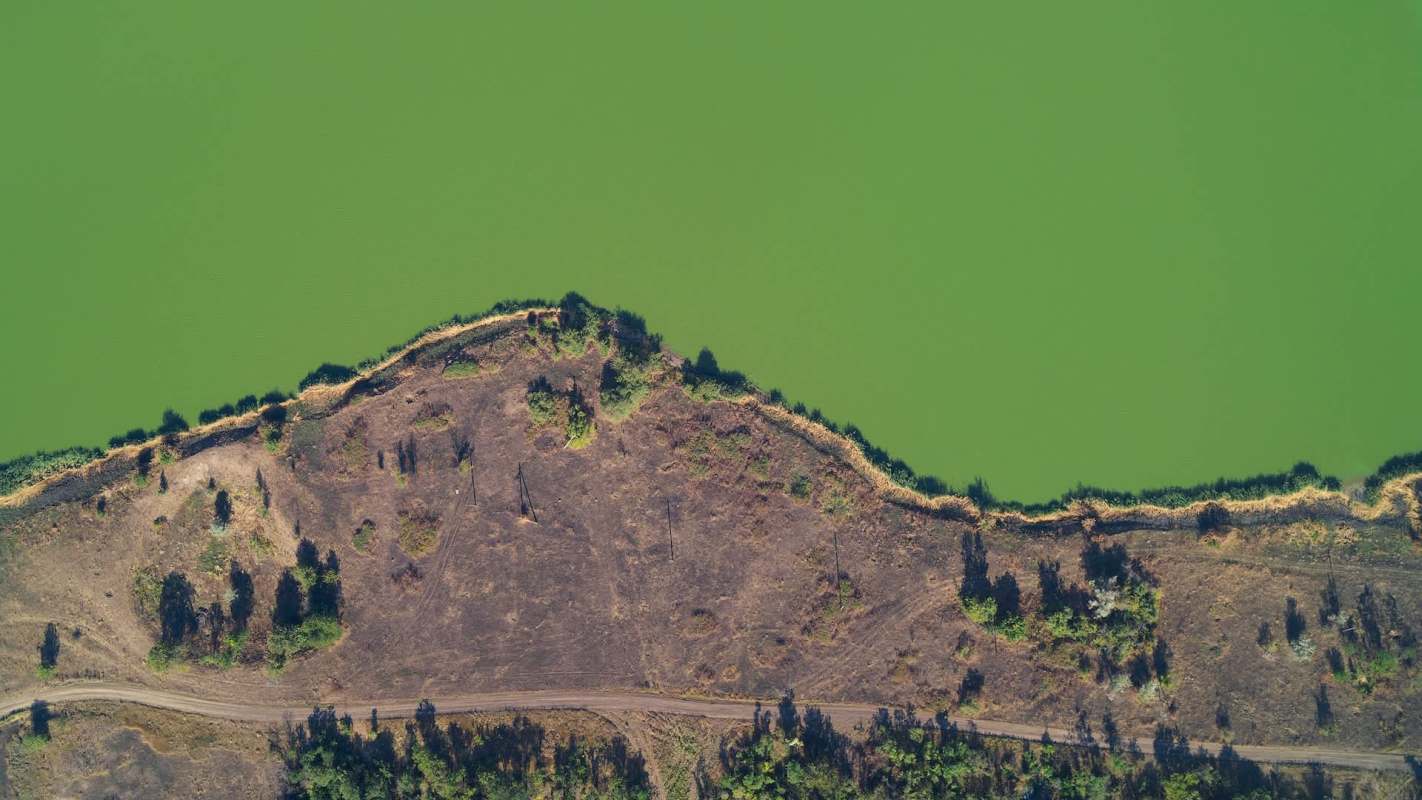
Warmer waters around Alaska have been causing a small group of harmful algae to bloom, according to Alaska Public Media.
What's happening?
In Kotzebue, Alaska, one bloom was so vivid that locals at first thought someone had dumped chemicals into the water.
"It was like fluorescent green paint," Alex Whiting, director of the local tribal government's environmental program, told Alaska Public Media.
Most algae in Alaska's waters are harmless, and many are even beneficial. But several toxic varieties are becoming a bigger concern as ocean and freshwater conditions warm.
Alexandrium is an algae that produces saxitoxin and related compounds that can cause paralytic shellfish poisoning. Cooking and freezing can't remove these toxins, and there is no antidote. In severe cases, victims can stop breathing.
State health officials said Alaska recorded 132 cases of paralytic shellfish poisoning and five fatalities from 1993 to 2021.
TCD Picks » Quince Spotlight
💡These best-sellers from Quince deliver affordable, sustainable luxury for all




Scientists are also watching Pseudo-nitzschia, capable of producing domoic acid, and Dinophysis, which can trigger diarrhetic shellfish poisoning. Low levels of domoic acid have already been detected in Alaska, but no poisoning events have been confirmed there.
Cyanobacteria blooms have become a recurring issue around Kotzebue since 2008. That was when the water first turned bright green.
Why are the algae blooms in Alaska concerning?
Harmful blooms threaten food systems, public health, and the wildlife many Alaska communities depend on culturally and economically.
Researchers suspect saxitoxin may have played a role in major bird die-offs, including the 2015-2017 "wreck" of common murres during the marine heat wave known as the Blob, according to Alaska Public Media.
They have, however, confirmed that saxitoxin was the cause of death in northern fur seals found stranded in the Pribilof Islands in 2024 and 2025.
Domoic acid has not yet caused documented poisoning events in Alaska. In California, it has killed many kinds of wildlife for decades.
For families who gather shellfish or rely on local fish for food, these blooms could undermine food security and increase uncertainty about what is safe to eat.
Whiting warned, "At some point, we might wake up and there might be 100,000 or 500,000 fish lying belly up in Kobuk Lake."
What's being done?
Tribal governments and monitoring networks are working to catch problems early and better understand where these blooms may be headed.
Alaska Public Media stated that the Alaska Harmful Algal Bloom Network is tracking toxins, including saxitoxin equivalents. Local investigations in places like Kachemak Bay have tested birds and marine mammals after suspected bloom-related die-offs.
Even when toxins are not confirmed, that monitoring can still help communities respond more quickly.
In Kotzebue, the Native Village of Kotzebue and Columbia University scientists are studying cyanobacteria blooms and whether they could affect subsistence foods. The partnership is also testing ways to monitor blooms before they become larger threats.
The most practical protection is to stay alert to local health guidance and shellfish closures. Pay attention to reports of unusual water color and sick or dead wildlife, and report anything you personally see to your local wildlife organization.

Get TCD's free newsletters for easy tips, smart advice, and a chance to earn $5,000 toward home upgrades. To see more stories like this one, change your Google preferences here.






