


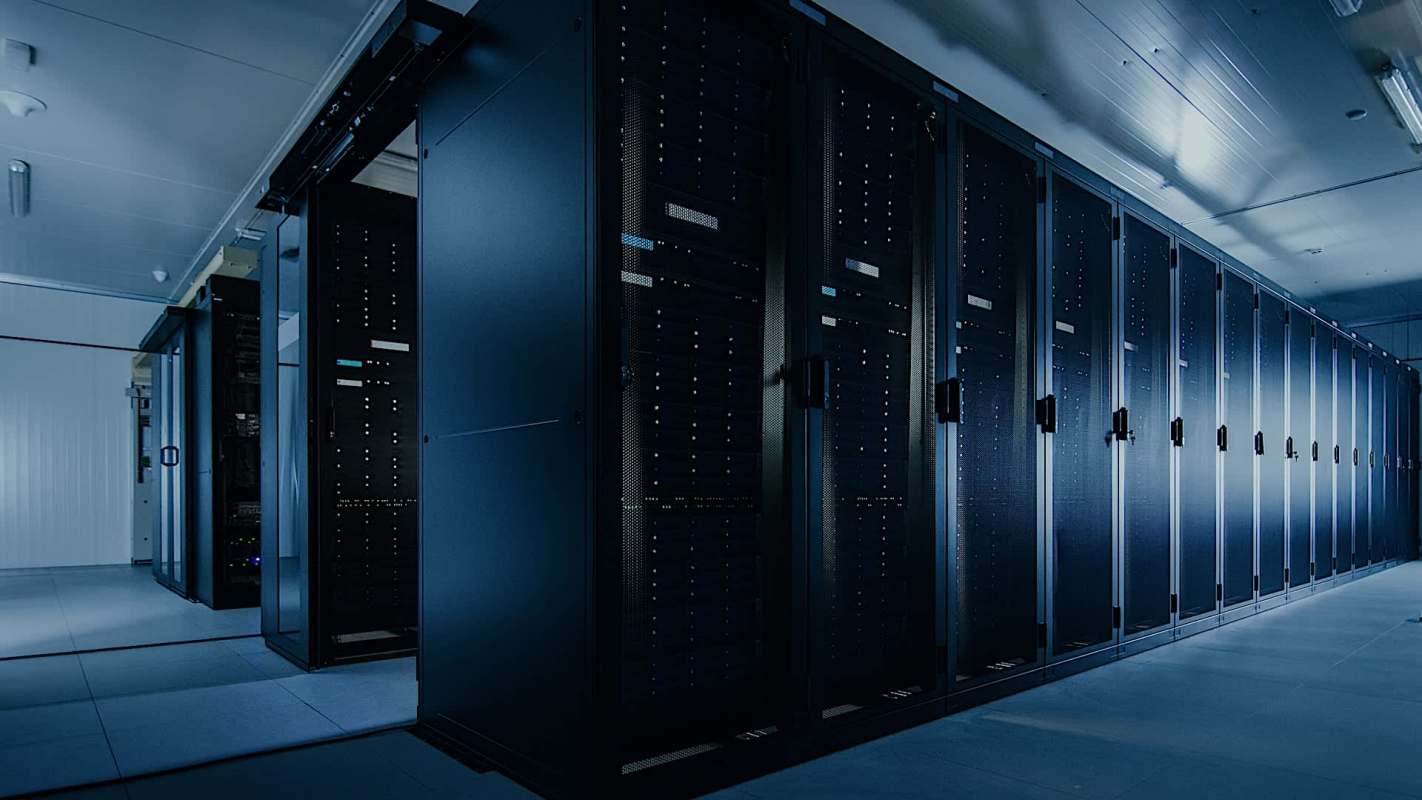
A Florida county is trying to get ahead of the artificial intelligence boom before it even arrives. Walton County commissioners voted unanimously to begin drafting an outright ban on AI data centers — even though none have been proposed there yet. County leaders said they want local rules in place before state AI laws take effect in July.
At a May 26 meeting, all five Walton County commissioners voted to direct staff and legal counsel to return with an ordinance that would ban data centers in the county. Commissioner Danny Glidewell made the motion, arguing that acting early gives the county its best chance to preserve local control if the state later limits what local governments can regulate.
"So what I am asking and making this a motion to instruct legal to bring us back at the earliest possible opportunity an ordinance prohibiting data centers in Walton County, period," Glidewell said in the meeting clip shared by WJHG/WECP.
The county is moving before any AI data center project has been proposed. Glidewell warned that "there is always the threat that the state will preempt us," adding that earlier action could improve the county's odds of being "grandfathered in." Commissioner Dan Curry supported the push, saying: "We really need to get in front of this before we can't get in front of it."
The vote reflects a growing national debate over what AI infrastructure means for communities on the ground. Large data centers can require huge amounts of electricity and water, especially for cooling, and that has raised concerns in places already grappling with growth, utility costs, and resource use. Curry said many of the concerns he is hearing from residents are about water and the environment.
AI's relationship with the energy grid is complicated. On one hand, AI tools can help forecast electricity demand, improve battery performance, and optimize wind and solar systems, potentially making clean energy more reliable and efficient.
TCD Picks » Quince Spotlight
💡These best-sellers from Quince deliver affordable, sustainable luxury for all




On the other hand, the data centers powering AI can put heavy pressure on local grids, consume vast amounts of water, and contribute to higher energy bills if new demand outpaces infrastructure. There are also broader concerns about misuse, cybersecurity, and unintended social harms as AI expands.
"You know, it takes a lot of water to cool these things down," Curry said. "What is going into the water? What are we doing with the water afterwards? So on and so forth, so there are too much, ifs and questions out there at this point."

Get TCD's free newsletters for easy tips, smart advice, and a chance to earn $5,000 toward home upgrades. To see more stories like this one, change your Google preferences here.






