


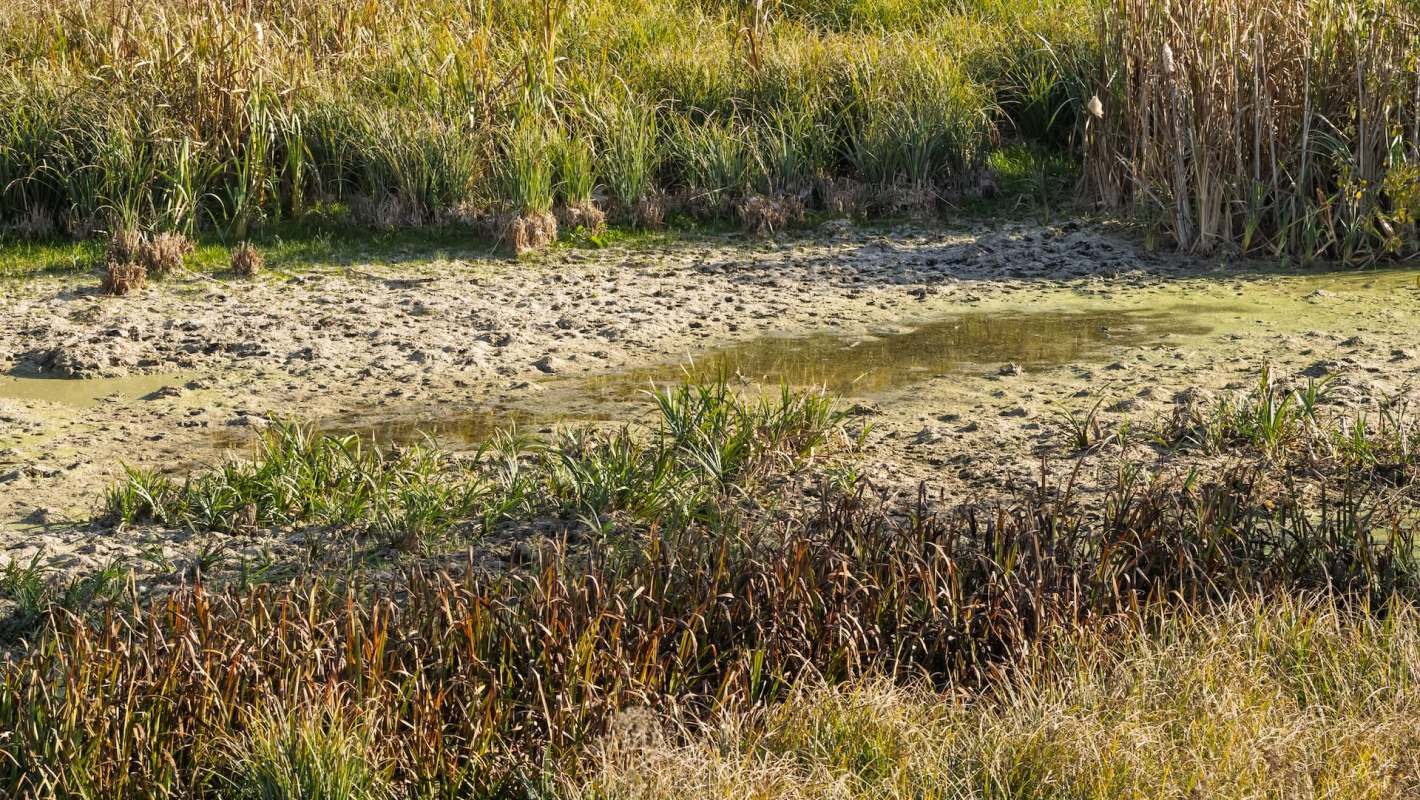
America's disappearing wetlands may be doing more damage than many people realize.
According to the Environmental Defense Fund, the loss of these natural flood buffers has pushed U.S. residential flood insurance claims up by more than $10 billion since 1985. The steady disappearance of wetlands is also driving up costs for families and communities already grappling with more frequent flooding.
What's happening?
In a study published June 1 in the journal Nature Water, researchers from the Environmental Defense Fund and the University of North Carolina at Chapel Hill linked upstream wetland loss to downstream residential flood damage across the U.S.
The team analyzed changes in wetland area from 1985 to 2023 and compared them with National Flood Insurance Program claim payments at the sub-watershed level.
The researchers estimated that residential flood insurance claim payments rose 0.01% to 0.03% for each hectare of upstream wetlands that disappeared. Nationwide, the added claims totaled about $10.1 billion, roughly 9% more than would have been paid without that wetland loss.
The biggest cost increases appeared around Houston, in southeastern Louisiana, and along coastal Florida. The researchers also found especially strong conservation value in parts of Kentucky, West Virginia, and Pennsylvania.
TCD Picks » Quince Spotlight
💡These best-sellers from Quince deliver affordable, sustainable luxury for all




"As flooding becomes more frequent and severe, communities need reliable information about what reduces flood risk and what makes it worse," lead author Jesse Gourevitch said.
Why is wetland loss concerning?
Wetlands function as natural infrastructure, absorbing water during heavy rain and slowing runoff before it rushes downstream. When they disappear, more water reaches homes and neighborhoods more quickly, raising the risk of costly river flooding.
Because NFIP policies cover only about 30% of average annual flood losses, the total cost of historical wetland loss could exceed $33 billion once uninsured and privately insured damage is included.
Earlier wetland loss drove disproportionately higher flood damage in lower-income communities and in communities with higher shares of non-white residents.
The benefits of wetlands extend beyond flood protection. These ecosystems also help support cleaner water, wildlife habitat, carbon storage, and recreation, so losing them erodes multiple community benefits at once.
What's being done about wetland loss?
The study's authors said the findings could help state and federal officials better account for wetlands when making land-use decisions, setting flood insurance prices, funding infrastructure, and weighing conservation investments such as easements and land acquisitions.
According to the EDF, protecting wetlands produced benefits greater than conservation costs in 16% of the sub-watersheds studied. In the top 10% of sub-watersheds, each hectare of wetlands provided at least $24,783 in residential flood risk reduction value, while in the top 1%, that figure was more than $301,268.
The research could also shape a major federal policy debate. A proposed new definition of "Waters of the United States" could leave up to 91% of non-tidal wetlands without federal protection.
Non-WOTUS wetlands without additional protections currently provide about $177 billion in flood mitigation benefits to residential properties alone.
Local wetland protection, restoration projects, and smarter upstream development decisions can all help reduce flood risk over time.

Get TCD's free newsletters for easy tips, smart advice, and a chance to earn $5,000 toward home upgrades. To see more stories like this one, change your Google preferences here.






