


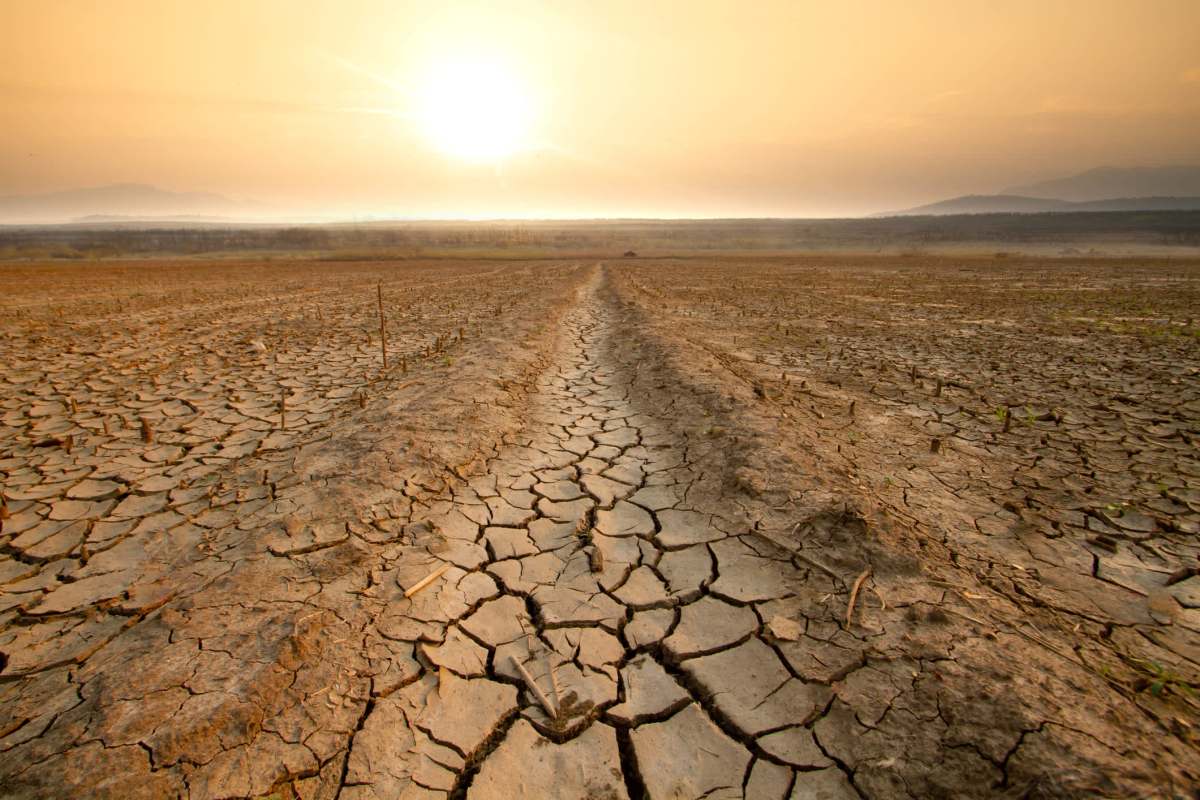
A major climate pattern linked to extreme heat, flooding, drought, and food stress may return sooner than expected.
The United Nations is warning that El Niño is likely to take shape by September and even more likely by November, raising the chances of another stretch of dangerous weather impacts around the world, The Guardian reported.
The World Meteorological Organization said Tuesday that ocean and atmospheric conditions in the Pacific are lining up for the return of El Niño, a naturally recurring climate pattern that typically lasts about nine to 12 months.
Most forecast models point to El Niño reaching at least moderate strength, while some still leave open the possibility of a stronger event. WMO Secretary-General Celeste Saulo said forecasters are still dealing with uncertainty, noting that "the spread is large."
"There are models that are not providing any indication of a strong El Niño, while others are doing so," Saulo explained.
The 2023-24 El Niño ranked among the five strongest ever recorded and helped drive the record global heat seen in 2024.
TCD Picks » Quince Spotlight
💡These best-sellers from Quince deliver affordable, sustainable luxury for all




The WMO is also forecasting broadly high temperatures across much of the world over the next three months, along with a greater risk of both heavy rainfall and drought, depending on where people live.
Scientists generally link El Niño to wetter conditions in parts of South America, the southern United States, the Horn of Africa, and central Asia. At the same time, it often brings drier weather to Central America, the Caribbean, Australia, Indonesia, and parts of South Asia.
El Niño is developing on top of a world already overheated by pollution from fossil fuels, which can pump more energy into weather systems and increase the likelihood of severe and costly extremes.
Extreme heat raises the risk of heat illness and death, particularly for older adults, outdoor workers, and people without reliable cooling. Flooding can damage homes, roads, and drinking water systems, while drought can cut crop yields, strain food supplies, and drive up grocery prices.
The warning also comes after a very hot May in Europe and after the WMO and the UK Met Office said a record-breaking hot year is likely before the end of the decade. El Niño could bring that milestone forward, potentially as soon as 2027.
UN officials are urging governments to prepare now rather than wait for the impacts to hit. That includes investing in early-warning systems that can alert communities to heat waves, flooding, storms, and drought before they turn deadly.
These systems have already saved lives by giving people more time to evacuate or protect homes, crops, and infrastructure. But the WMO warned that funding remains a major challenge, especially as some large donor countries have cut aid budgets.
At the same time, UN Secretary-General António Guterres said the broader solution is to reduce the pollution intensifying weather disasters. That means accelerating the transition to cleaner energy, protecting vulnerable communities, and strengthening climate resilience in places with fewer resources.
"The world must treat it as the urgent climate warning it is," Guterres said. "El Niño conditions will pour fuel on the fire of a warming world."
"The only effective response is climate action equal to the crisis," he urged.

Get TCD's free newsletters for easy tips, smart advice, and a chance to earn $5,000 toward home upgrades. To see more stories like this one, change your Google preferences here.






