


Africa's electric mobility buildout just got a major boost.
What's happening?
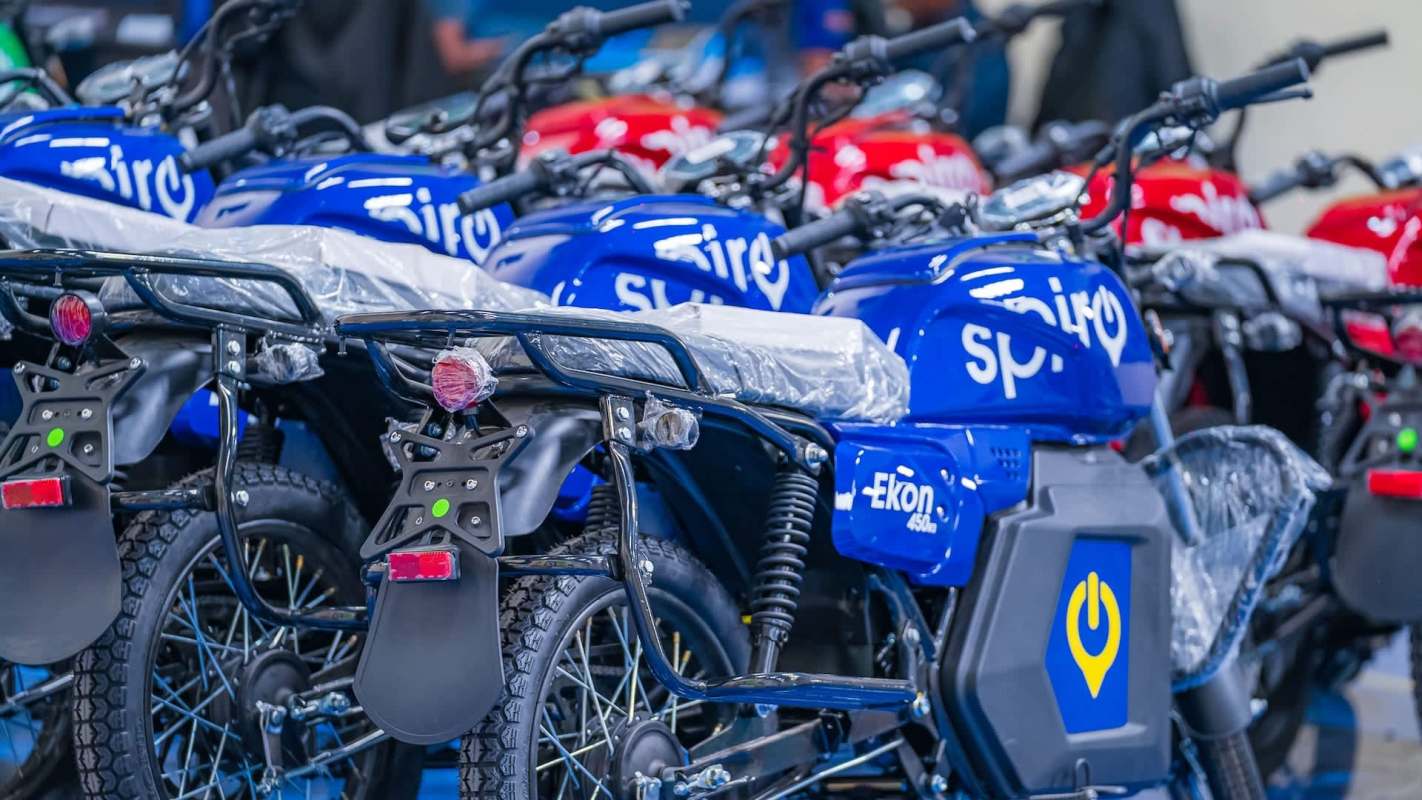
Spiro, an African electric vehicle company focused on battery swapping, has secured $215 million in equity funding to expand its footprint across Africa, the Associated Press reported.
Spiro said the new funding will help it expand its swap network, increase local manufacturing, and enter more markets — including the Democratic Republic of the Congo and Ethiopia. The AP reported that the company is already operating in Kenya, Rwanda, Uganda, Togo, Benin, Nigeria, and Cameroon.
According to the company, it has deployed 100,000 electric vehicles and 2,500 smart-swap stations across its active markets. The financing drew support from institutional investors in Europe and Africa, including Denmark's Impact Fund.
Many African countries are trying to reduce their reliance on imported fossil fuels as fuel prices continue to squeeze households and businesses. In cities where motorcycles are central to commuting and delivery work, electric two-wheelers are emerging as an important growth area.
Why does it matter?
The AP reported that riders using Spiro's electric motorcycles may cut transport costs by up to 40%, or about $2 a day, compared with gasoline bikes. For workers who depend on motorcycles to earn a living, those savings can add up quickly.
TCD Picks » Quince Spotlight
💡These best-sellers from Quince deliver affordable, sustainable luxury for all




Battery swapping helps drivers avoid long charging waits, which can keep delivery services and urban transportation running more efficiently. At the national level, moving away from imported fuel can improve energy security and reduce exposure to price shocks.
Replacing gas-powered motorcycles with electric models can help reduce tailpipe pollution in crowded cities. In places where two-wheelers dominate the streets, cleaner air can have a direct effect on daily life.
What's next?
Spiro said it is using the new funding to build more battery-swapping stations, which are designed to make EV adoption more practical for everyday riders. Instead of waiting to recharge, users can quickly swap depleted batteries for charged ones and get back on the road.
The company is also investing in local production, a move that could strengthen regional supply chains and create steadier, homegrown clean-tech jobs.
Beyond the vehicles themselves, the AP reported that Spiro is working on solar-powered battery-swapping stations and second-life battery storage systems. Those additions could help lower operating costs even further while making the network less dependent on traditional energy sources.

Get TCD's free newsletters for easy tips, smart advice, and a chance to earn $5,000 toward home upgrades. To see more stories like this one, change your Google preferences here.






