


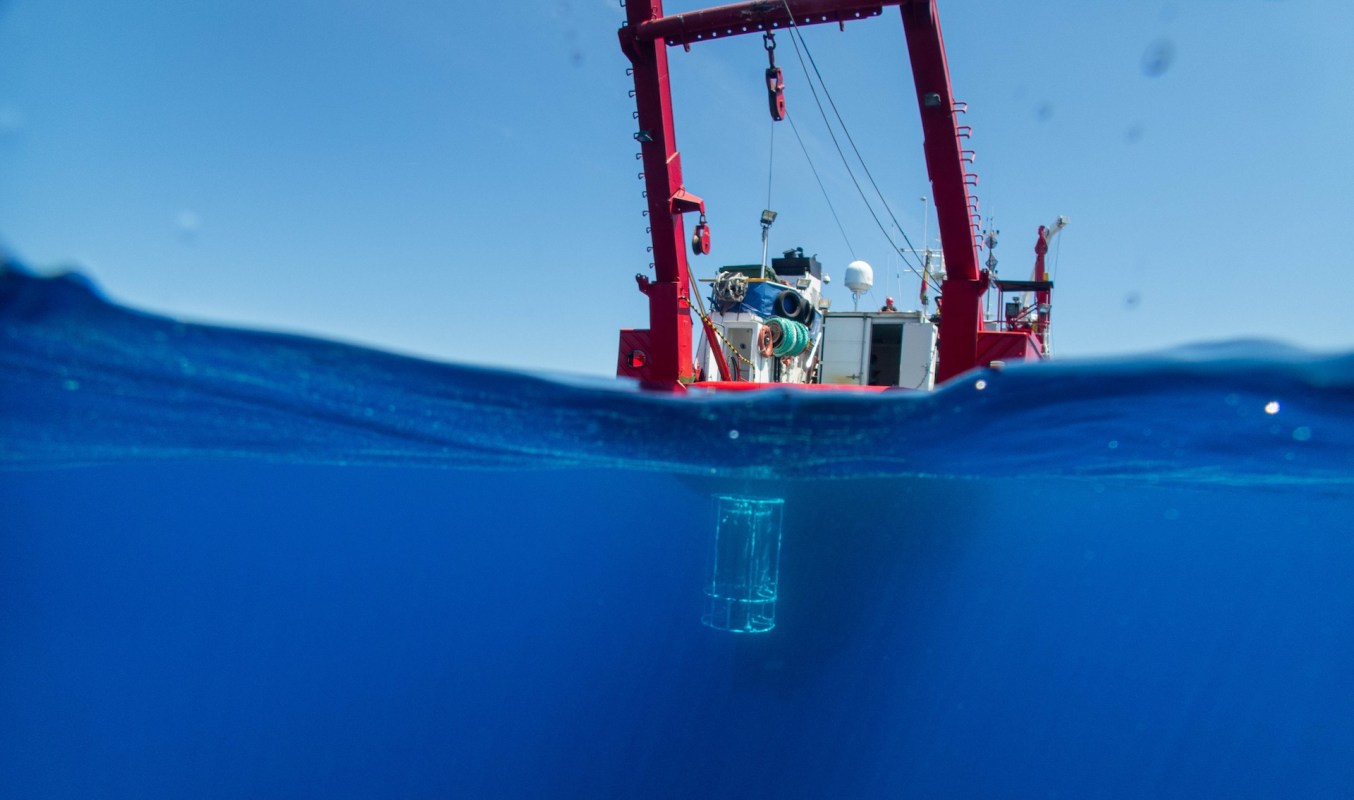
The Trump administration plans to remove hundreds of deep-ocean sensors used to track marine ecosystems, ocean currents, and coastal threats, according to The New York Times.
Researchers say the move could erase more than a decade of insight at a time when the world needs stronger warning systems.
What happened?
The Times reported that the National Science Foundation said it would send ships in June to begin removing more than 900 deep-sea instruments. The removal will happen along Oregon, Washington state, Alaska, North Carolina, and in the Irminger Sea between Greenland and Iceland.
The observation network cost $368 million and has been in use for about a decade. Researchers have used the system to study issues like marine heat waves' effect on fisheries and connections between changing ocean conditions and East Coast flooding.
"One of the real tragedies here is that collecting data effectively at this site was a huge engineering challenge, and it's not the kind of thing where you can just leave your notes for the next person who comes in," said Dr. Hilary Palevsky, a professor of earth and environmental sciences at Boston College. "There's a lot of expertise that has the potential to be lost."
Why is the removal of these ocean sensors concerning?
The ocean is one of the planet's biggest climate buffers. But scientists need long-term observations to understand how quickly it is changing and what those changes mean for people.
TCD Picks » Quince Spotlight
💡These best-sellers from Quince deliver affordable, sustainable luxury for all




Coastal communities rely on accurate data to prepare for rising water and storm impacts. Fishing communities depend on strong forecasts to understand shifts that can affect catches, jobs, and local food supplies.
Removing this equipment could create major gaps in climate research, fishery planning, and flood forecasting.
What are people saying?
Scientists and ocean advocates have described the system as a crucial tool for understanding some of the fastest moving environmental changes on the planet. Researchers have relied on the network to track greenhouse gas uptake, temperature shifts, and flood-related changes.
Critics say dismantling a working observation system now is harmful. Communities are facing intensifying climate pressures and need more information to stay safe.

Get TCD's free newsletters for easy tips, smart advice, and a chance to earn $5,000 toward home upgrades. To see more stories like this one, change your Google preferences here.






