


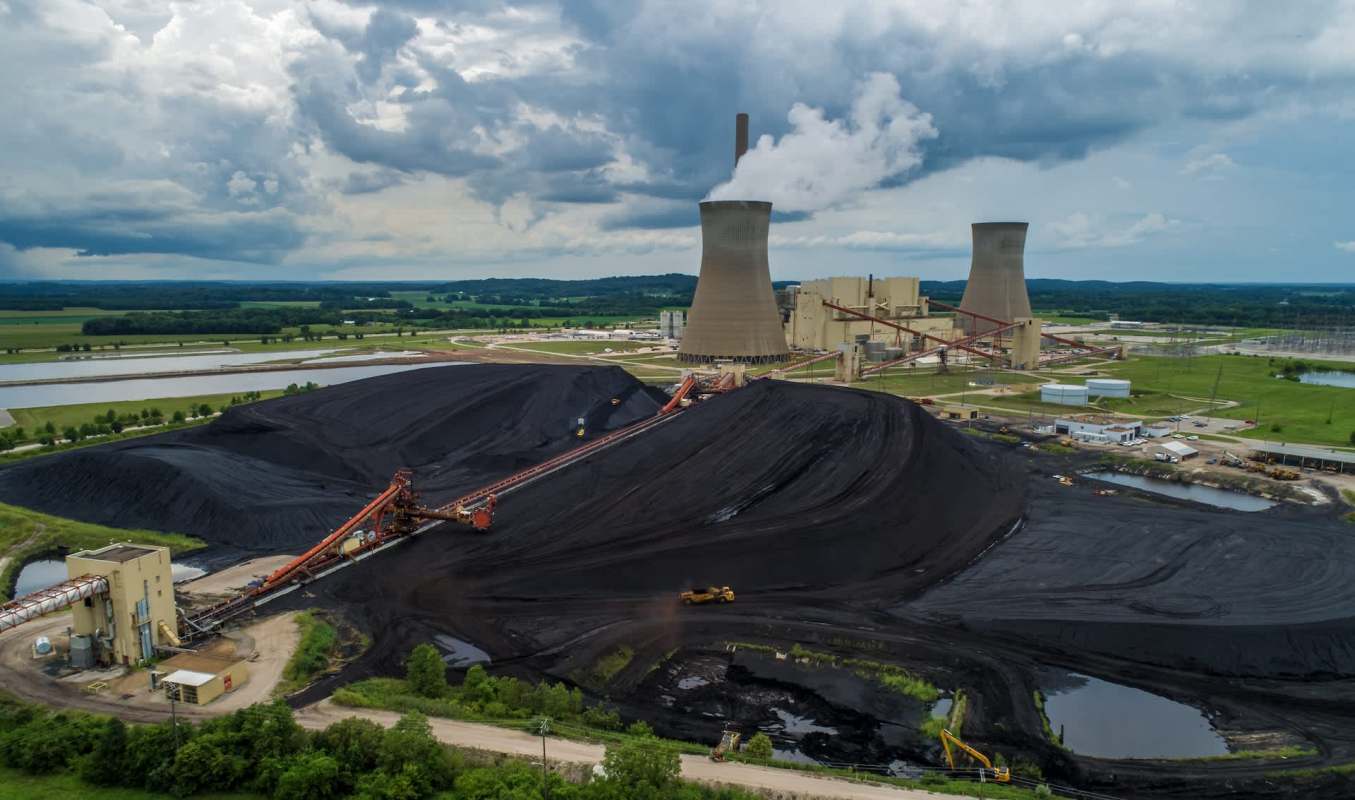
After years of decline, mercury pollution from U.S. coal plants is moving in the wrong direction again, as the Environmental Defense Fund reported.
What's happening?
EPA data shows coal plant mercury pollution rose 9% from 2024 levels last year, reaching about 4,800 pounds released into the environment. It marks a sharp reversal after years of progress on toxic air pollution.
The EDF points out the increase comes as the Trump administration pushes to keep aging coal plants online while weakening federal safeguards meant to limit dangerous smokestack emissions.
"It's a perfect storm," Ted Kelly, EDF lead counsel, declared. "Now, just as its use is spiking, pollution limits are being stripped away."
Mercury is a potent neurotoxin that can damage the brain and nervous system, especially in babies and young children, the EPA notes. The rise in pollution appears to be tied to a broader policy shift in support of coal.
The administration is bolstering the industry with subsidies, Department of Defense contracts for coal-fired electricity, and emergency orders that have kept five coal plants operating beyond their planned retirement dates.
TCD Picks » Quince Spotlight
💡These best-sellers from Quince deliver affordable, sustainable luxury for all




Those extensions are proving expensive, the EDF notes. The J.H. Campbell plant in Michigan has reportedly cost more than $600,000 per day to keep open, bringing the total to $180 million. In Washington, the Centralia station has remained on standby under federal orders despite not being needed to supply the grid, at a reported cost of $20 million so far.
At the same time, the administration rolled back the Mercury and Air Toxics Standards, or MATS, which tightened limits on mercury and other hazardous pollutants while requiring stronger monitoring at power plants.
Why does it matter?
Coal was already among the dirtiest sources of electricity in the country, and burning more of it means more toxic pollution for nearby communities and areas farther downstream.
Power plant pollutants — including mercury, arsenic, and nickel — are linked to cancer, heart and lung disease, and developmental harm such as autism, though some links are not as established as others.
The fossil fuel industry also harms people and communities in other ways. It is a major driver of the climate pollution that's worsening extreme weather disasters that destroy homes, jobs, and local economies.
It fuels air and water pollution tied to asthma, heart disease, cancer, and premature death. And it can keep household energy bills high even as corporate profits rise, while industry lobbying delays cleaner, cheaper energy solutions that would better protect families.
In other words, burning materials into the air at high volumes beyond what's natural has consequences for the surrounding environment, as those materials do not just magically vanish.
What's being done?
A coalition of environmental groups, public health advocates, community organizations, and state attorneys general is challenging the coal plant emergency orders in court, as the EDF noted.
One of the first cases, centered on the Campbell plant, is before the D.C. Circuit Court of Appeals and could help determine how much authority the administration has to interfere with regional grid planning.
Environmental and health groups are also contesting the rollback of MATS, arguing that returning plants to the older 2012 rules rather than the stronger 2024 standards puts communities at greater risk, the EDF noted.
"American families will be the ones paying the price with their wallets and their health," Surbhi Sarang, senior attorney at EDF, asserted. "It's unacceptable and unlawful, and we will continue to fight back at every turn."

Get TCD's free newsletters for easy tips, smart advice, and a chance to earn $5,000 toward home upgrades. To see more stories like this one, change your Google preferences here.






