


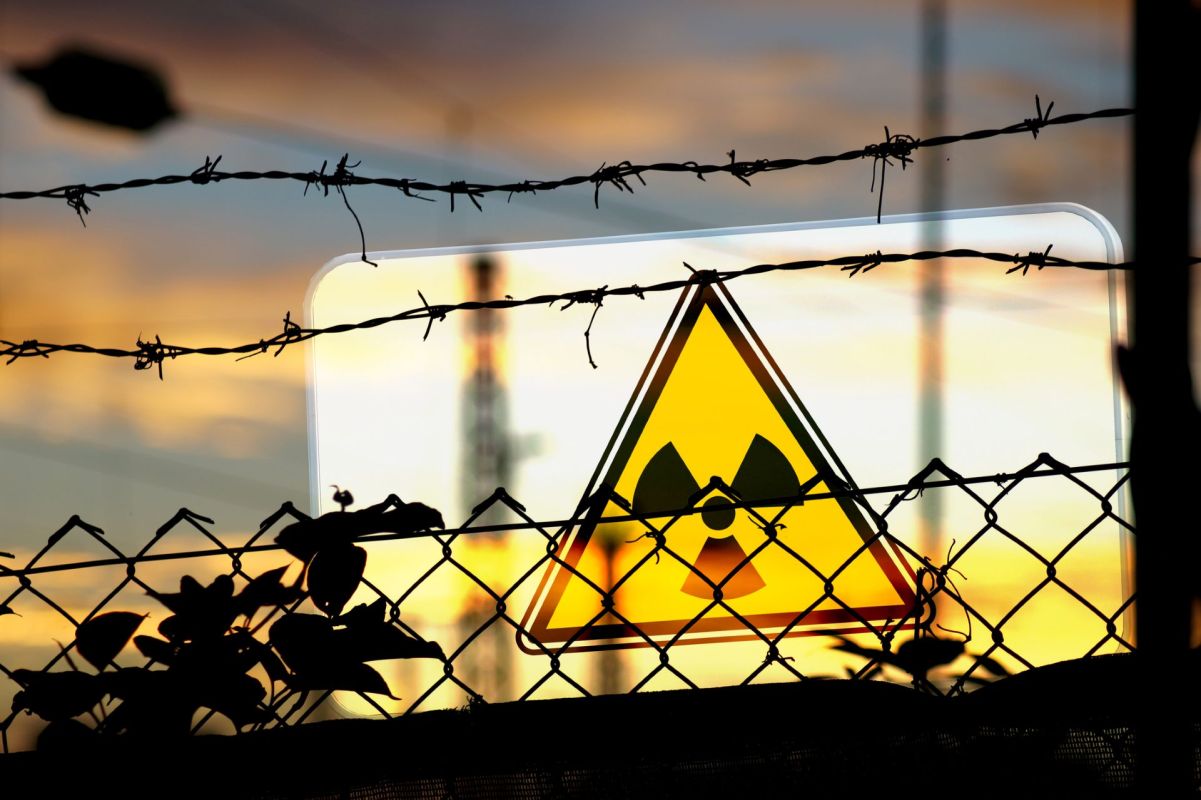
The U.S. government may soon take a new approach to dealing with leftover Cold War-era plutonium.
According to a report from The New York Times, federal officials are considering supplying some of the surplus nuclear material to private companies that hope to turn it into fuel for next-generation nuclear reactors.
Supporters say the move could help accelerate nuclear energy development. Critics warn it could create security, cost, and weapons-proliferation risks that would be hard to reverse.
The Department of Energy has selected five companies to begin "advanced negotiations" over the possible transfer of federally owned surplus plutonium under its Surplus Plutonium Utilization Program. The list includes Oklo, Standard Nuclear, Exodys Energy, SHINE Technologies, and Flibe Energy.
The material reportedly comes from dismantled U.S. nuclear warheads. The government still holds more than 50 tons of surplus plutonium, and much of it had previously been designated for dilution and burial. Instead, the Trump administration is revisiting whether some of it can be reused as fuel for a new generation of nuclear plants.
Oklo, which is working with European reactor developer Newcleo, says the idea could help address a pressing industry problem: fuel supply.
TCD Picks » Quince Spotlight
💡These best-sellers from Quince deliver affordable, sustainable luxury for all




"A lack of fuel is one of the biggest choke points in expanding nuclear power right now," Oklo CEO Jacob DeWitte told The Times.
"The plutonium is ready now," said Caroline Dewitte, Oklo's chief operating officer. "We just have to fabricate it."
The proposal is not final, and any transfer would still require negotiations over security, processing, and transport.
Nuclear plants can provide large amounts of electricity without the air pollution associated with fossil fuels. However, building more reactors depends on having enough usable fuel. Some critics argue that new nuclear reactors are more expensive and have greater risks than alternative clean energy sources like solar panels and wind turbines.
Many advanced reactors are expected to require specialized fuel, while U.S. enrichment capacity has lagged for years. Some companies say that repurposing existing plutonium could serve as a stopgap while domestic fuel supply chains are expanded.
Still, plutonium is not an ordinary fuel material. It is highly toxic if inhaled, can be used in nuclear weapons, and requires strict handling and security. Nonproliferation experts and some lawmakers say opening the door to private-sector use could raise long-standing safety and security concerns.
An earlier U.S. effort to make mixed oxide, or MOX, fuel from surplus plutonium was scrapped in 2018 after delays and projected costs rose past $50 billion.
The federal government is now weighing whether private companies can succeed where earlier public efforts struggled. Newcleo has said it wants to develop a fuel-making facility near South Carolina's Savannah River Site, where the abandoned MOX effort had been located, according to the Times.
The Trump administration has also made nuclear expansion a broader priority, with a goal of dramatically increasing U.S. nuclear capacity by 2050. At the same time, the Energy Department is spending billions to strengthen domestic nuclear fuel supply chains, including options beyond Russian sources.
The immediate impact is limited, since the plan remains under negotiation.
Whether this surplus plutonium ultimately becomes a valuable energy resource or remains a costly waste problem requiring long-term disposal remains an open question.

Get TCD's free newsletters for easy tips, smart advice, and a chance to earn $5,000 toward home upgrades. To see more stories like this one, change your Google preferences here.






