


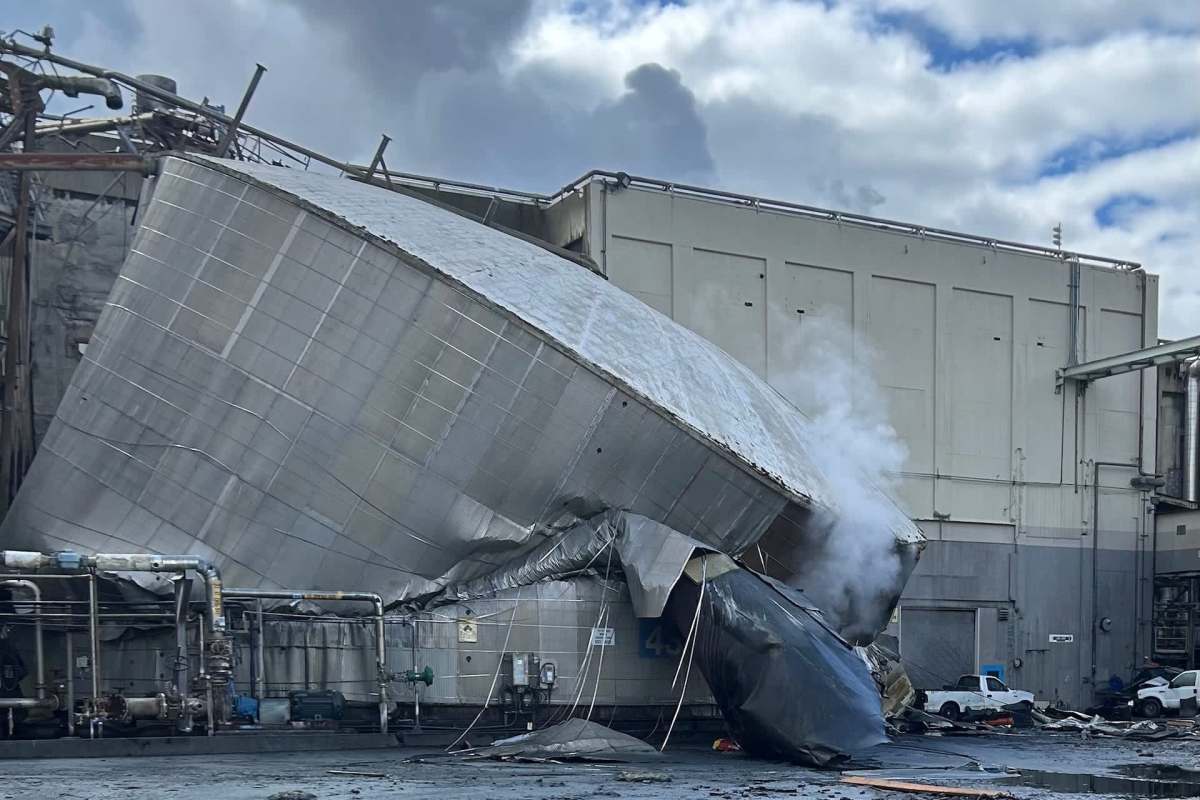
A deadly explosion at a major paper mill in Washington is, first and foremost, a human tragedy.
It is also a stark reminder that when critical industrial facilities face pressure from aging equipment and economic strain, workers and nearby communities can feel the fallout.
What's happening?
An explosion and chemical incident rocked Nippon Dynawave Packaging's mill in Longview, Washington, on May 26, leaving as many as 10 people dead and several others injured. Emergency crews responded throughout the day as major parts of the facility sustained heavy damage.
According to Resource Recycling, authorities said the event involved a white liquor tank failure, though the exact cause remains under investigation. Nippon Dynawave Packaging, owned by Japan-based Oji Holdings, produces containerboard and kraft paper used in corrugated boxes and other industrial paper products.
The tragedy is drawing attention to a difficult reality in the industry: Many mills are under pressure to remain profitable while upgrading older and potentially hazardous equipment.
For many people, paper mills are part of the invisible backbone behind shipping boxes, store packaging, and local recycling programs. If a major facility is shut down for an extended period, recyclers and brokers may have to reroute material, hold inventory longer, or accept different prices for recovered paper.
TCD Picks » Quince Spotlight
💡These best-sellers from Quince deliver affordable, sustainable luxury for all




The Seattle Times reported that the Longview plant had been working through operational and financial turnaround efforts in recent years. When companies delay modernization or struggle to balance safety investments with production demands, workers and surrounding communities can face the greatest risks.
What's being done?
For now, the immediate focus is on emergency response, recovery, and determining exactly what went wrong. Trade groups, including the American Forest & Paper Association and the regional Northwest Pulp & Paper Association, said in a joint statement that they support efforts to identify the root cause and help prevent similar incidents in the future.
"As representatives of the pulp and paper industry, we extend our deepest sympathies to everyone affected by this week's tragedy in Longview," the groups said in a joint statement. "Our hearts go out to the families of those who were lost, as well as to those who were injured."
The disaster is also likely to intensify discussions about infrastructure upgrades, maintenance practices, and risk management at heavy industrial sites. Recovery boilers and related chemical systems are among the most complex and dangerous parts of paper manufacturing, and the industry has long acknowledged the challenge of keeping older mills safe while remaining economically competitive.

Get TCD's free newsletters for easy tips, smart advice, and a chance to earn $5,000 toward home upgrades. To see more stories like this one, change your Google preferences here.






