


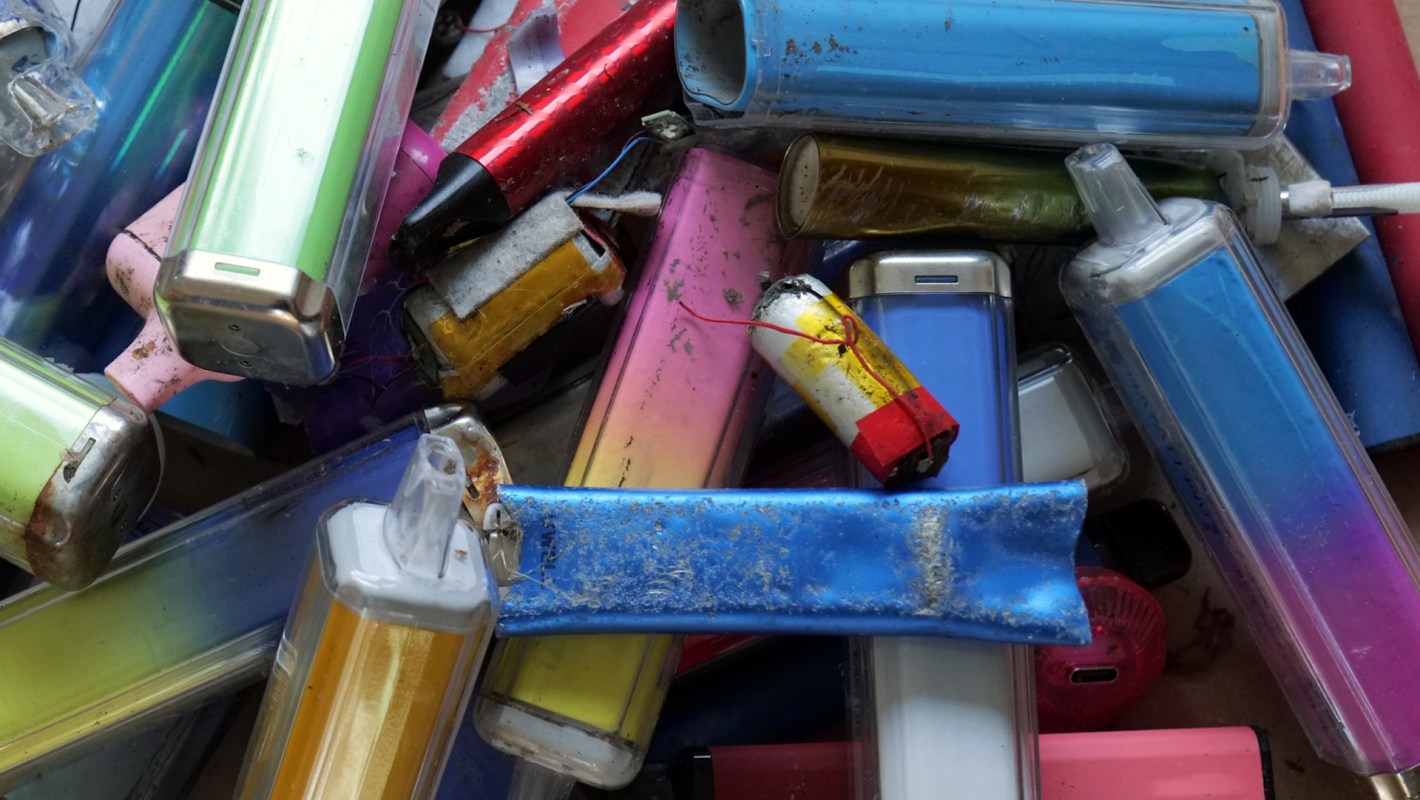
A year after the U.K. banned the sale of disposable vapes, millions of the devices are still ending up in the trash every week, Evirotec reported.
A new warning from recycling nonprofit Material Focus says the ban's environmental aims are being undermined by what it describes as a "retailer recycling lottery," with disposing of old vapes often less straightforward than buying them.
Around 6.3 million vapes and pods are still being thrown away each week in the U.K., even after the June 1, 2025, ban on disposable vape sales. Major gaps in public information and in-store recycling access are allowing the waste stream to continue.
"Vapes are one of the most environmentally wasteful, damaging, and dangerous consumer products ever sold," said Scott Butler, executive director of Material Focus.
Over the past four years, about 1.18 billion vapes have been discarded. The lithium wasted in those tossed devices each year would be enough to power 5,000 electric vehicle batteries, according to Material Focus analysis shared by Evirotec.
Research commissioned by not-for-profit found that many consumers still do not know what to do with used products. The group said 47% of vapers did not know vapes can be recycled, while 67% said they would be more likely to recycle if sellers described the items as recyclable rather than "disposable."
TCD Picks » Quince Spotlight
💡These best-sellers from Quince deliver affordable, sustainable luxury for all




Meanwhile, retailers legally required to provide take-back options are not doing so consistently, creating wide disparities in whether shoppers can actually find a recycling point.
Joanne Henderson, National Fire Chiefs Council's Smoking and Vape Lead, added, "Every vape that is thrown into a bin … instead of being recycled correctly has the potential to cause a serious fire."
That's because vapes contain lithium-ion batteries that can ignite if crushed or damaged, raising the risk of fires in household bins, garbage trucks, and recycling centers.
Two major waste companies are still reporting serious problems linked to vape waste. Veolia is seeing roughly one blaze each day involving its trucks and waste or recycling sites, a trend the company says has persisted for about 4 years. Biffa said it still gets upward of 200,000 vapes each month through mixed recycling collections, where they should not be.
The problem also ties into broader health concerns. Vaping has been heavily marketed to younger consumers, and public health experts have warned about nicotine addiction and other harms, especially for teens. On top of that, disposable and semi-disposable vapes are adding to growing piles of single-use plastics, toxic e-waste, and improperly discarded batteries, turning a public health challenge into an environmental one as well.
Material Focus is now calling on vape sellers to make recycling as visible and easy as buying the products. That includes visible in-store return bins and signs letting customers know they can bring back used devices.
The group is also urging producers and retailers to drop the word "disposable" and put clear recycling guidance on both the devices and their packaging. Since more than half of consumers say they are more likely to buy from a store that offers recycling, stronger take-back systems could also shape shopping habits.
Vapes should never be placed in household trash or mixed recycling due to the risk of battery fires.
Material Focus has also released an industry briefing that sets out sellers' legal duties and includes materials such as template posters to support vape take-back in stores.

Get TCD's free newsletters for easy tips, smart advice, and a chance to earn $5,000 toward home upgrades. To see more stories like this one, change your Google preferences here.






