


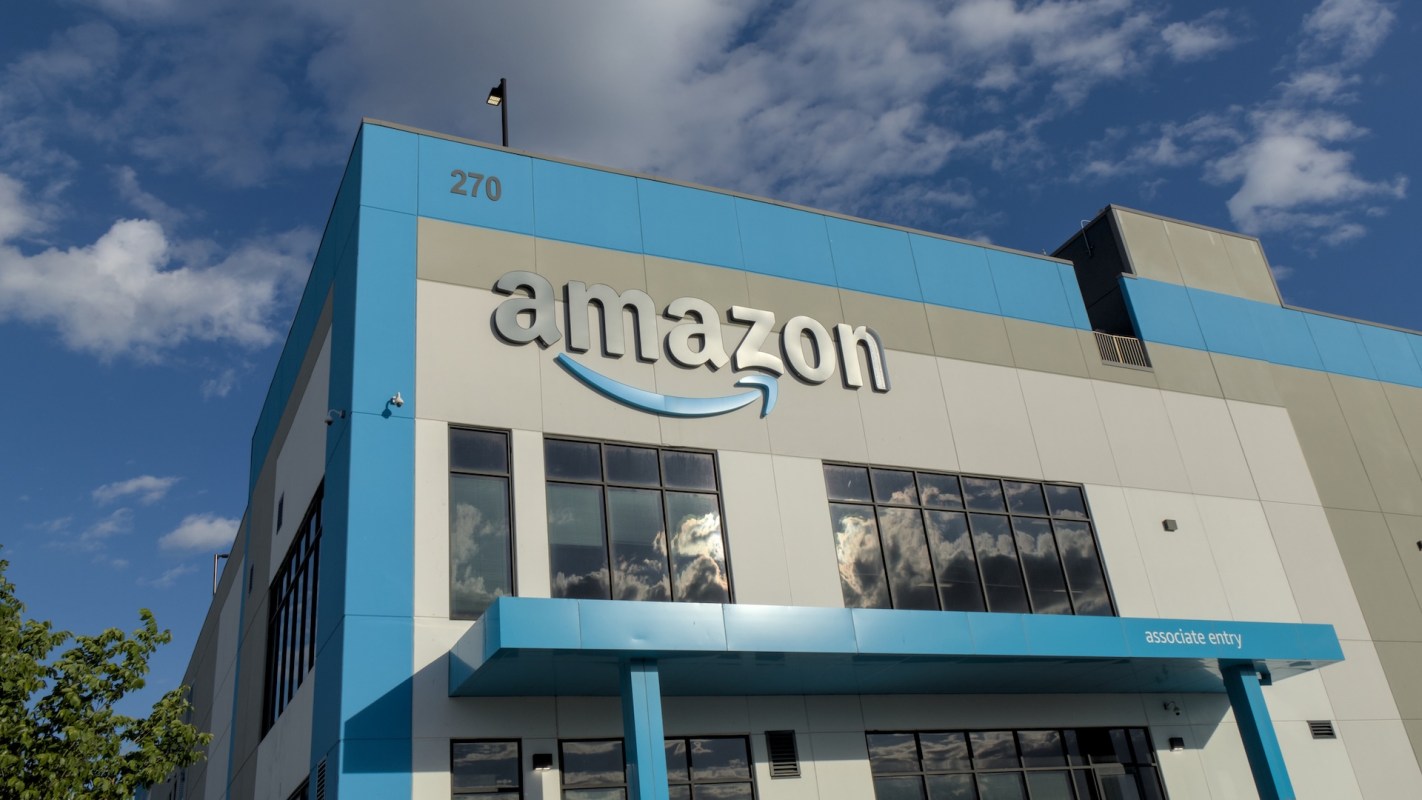
Amazon employees reportedly found a pointed way to respond after managers pushed them to use more artificial intelligence: build a tool that appears to do exactly that, even if it accomplishes little.
According to The Chosun Daily, the largest and oldest newspaper in South Korea, workers created an unofficial AI agent called MeshClaw to deliberately burn through tokens, leaving a visible trail of AI activity for internal tracking systems.
Amazon recently urged employees to increase their AI use and reportedly began tracking token counts, the units used to measure how much people interact with AI systems.
The message was explicit: "Waste tokens."
More than 30 employees reportedly created MeshClaw unofficially, and thousands of workers are said to use it daily as pressure grows to show they are embracing AI tools.
The behavior is part of a broader workplace trend known as "tokenmaxxing," which encourages employees to increase token usage to accelerate AI adoption, sometimes regardless of whether it improves their work.
TCD Picks » Quince Spotlight
💡These best-sellers from Quince deliver affordable, sustainable luxury for all




Similar reports have surfaced at Meta, where token consumption was reportedly ranked internally, and companies such as Disney have also been swept up in the rush.
The push reflects a wider corporate race to demonstrate rapid AI adoption, especially as businesses tie the technology to productivity gains, cost-cutting, and even layoffs.
Companies are rewarding the heavier use of an expensive technology even as computing power remains limited and demand for AI infrastructure continues to rise.
AI systems rely on data centers that draw heavily from the power grid and often require large amounts of water for cooling.
While AI can help improve forecasting, streamline logistics, and optimize clean energy systems, it can also increase electricity demand, strain local resources, raise operating costs, and create security risks and concerns about misuse if companies deploy it carelessly.
Tokenmaxxing may also distort incentives. Instead of using AI thoughtfully to save time or solve problems, employees may focus on generating measurable activity.
Flashy AI metrics do not always reflect real value, and the costs of the AI race can ripple outward through jobs, infrastructure, and potentially even utility bills.
The pressure can shift attention from outcomes to raw usage, even when AI tools are not improving speed, quality, or accuracy and are simply inflating dashboards.
Privacy and security are also concerns when documents, customer information, or personal data are fed into AI tools, depending on company rules and what happens to the data afterward.
A startup source quoted in The Chosun Daily captured the tension: "While high token usage doesn't directly translate to results, nothing happens if tokens aren't used at all."

Get TCD's free newsletters for easy tips, smart advice, and a chance to earn $5,000 toward home upgrades. To see more stories like this one, change your Google preferences here.






