


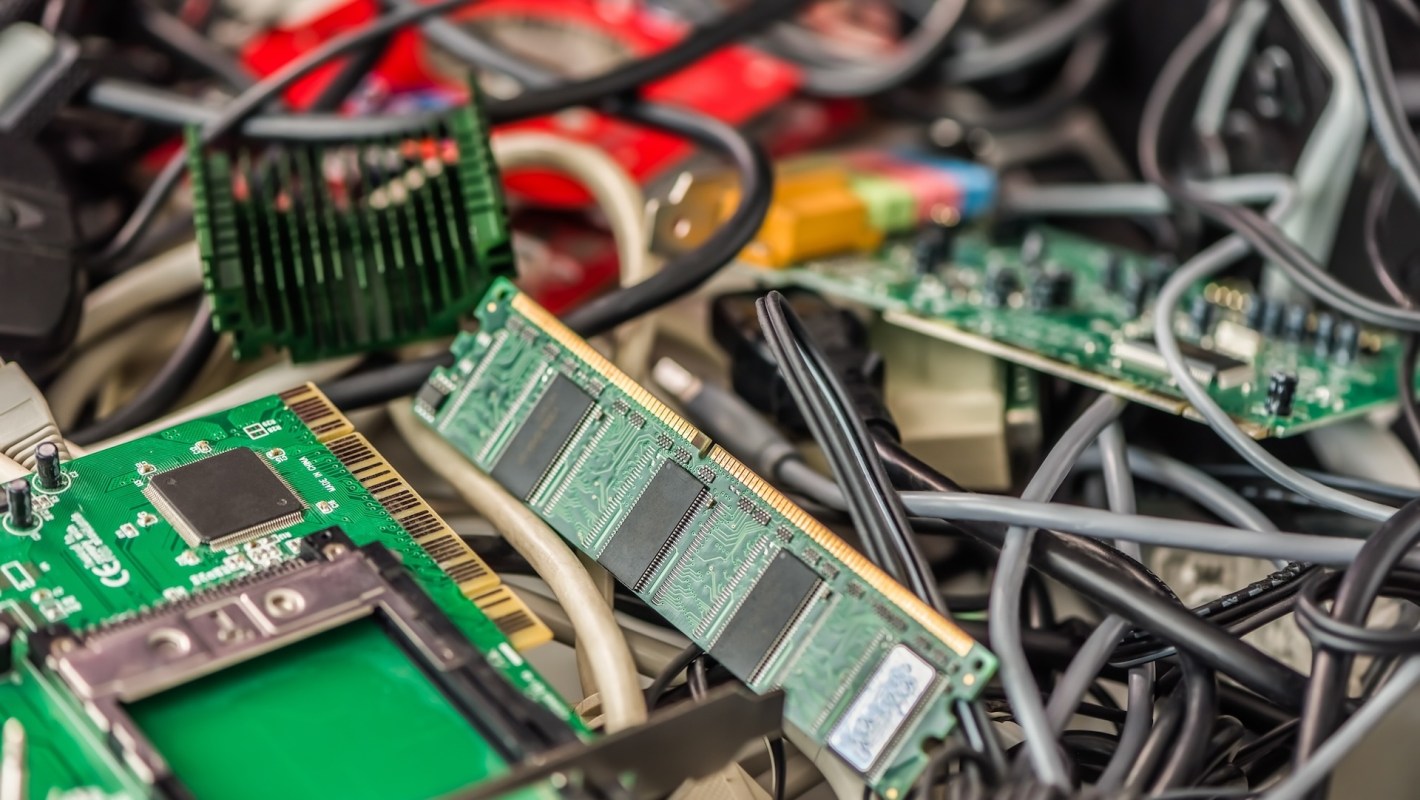
Europe is sitting on a valuable supply of lithium, cobalt, rare earths, and other critical minerals, but most of it is going to waste.
These valuable minerals are ending up in junk drawers, getting discarded improperly, or leaving the region before it can be recycled.
A new four-year research effort suggests the scale of the problem is far larger than many in the industry have been able to document with hard data.
What's happening?
A major Horizon Europe-funded project called FutuRaM has released its final report after estimating how much critical raw material is contained in Europe's waste streams and what share could plausibly be recovered by 2050, according to a Resource Recycling article.
Researchers examined six major waste categories, including batteries and electronics, vehicles, mining residues, slag and ash, and construction materials. Among them, waste electrical and electronic equipment emerged as one of the richest sources of valuable materials, also one of the worst managed when it comes to recovery.
That includes printed circuit boards, lithium-ion batteries, and magnets containing rare earths. Per kilogram, some of these components contain higher concentrations of critical materials than mined ore. But instead of moving through well-equipped recycling systems, many devices are stockpiled in homes, diverted into poorly tracked resale channels, or exported before European refiners can access them.
TCD Picks » Quince Spotlight
💡These best-sellers from Quince deliver affordable, sustainable luxury for all




Even when e-waste enters official recycling streams, it may be processed at facilities that are not designed to recover the full mix of metals inside.
It appears that this is a strategic issue more than an operational issue.
Why does it matter?
These materials are essential for batteries, electronics, clean energy technology, and modern transportation. When companies and waste handlers fail to collect and process them effectively, Europe loses a domestic source of supply and becomes more reliant on mining and imports.
Supply shortages and price spikes can drive up the cost of electric vehicles, phones, appliances, and energy infrastructure.
Weak recovery also means more waste, more pollution pressure, and more mining operations impacting natural ecosystems.
The report also points to a business problem: the sector has long understood that collection and processing underperform, but it has lacked solid numbers showing the extent of that weakness. Devices that slip into gray markets or leave the region weaken material security.
Critical minerals are increasingly being treated as a supply-security issue, not just an environmental one, which is what turns heads in the boardrooms.
The data on this leakage is likely to attract more scrutiny, which is the whole point of gathering it.
What's being done?
FutuRaM is trying to shift the conversation by treating urban waste stockpiles more like mining deposits. Using a framework borrowed from the mining sector, the project evaluates recyclable sources based on economic feasibility, technical maturity, and environmental and social factors.
It helps explain why valuable material is not being recovered. In some cases, the issue is a lack of scale. In others, it is missing refining capacity, uncertain buyers, or regulatory barriers.
Rather than relying on unbacked promises of better recycling, the framework gives investors and policymakers a concrete datapoint to reference.
The report also comes as the EU's Critical Raw Materials Act pushes for stronger domestic sourcing and recycling. That could lead to tighter collection rules, stronger export enforcement, and more investment in facilities that can actually recover these materials.

Get TCD's free newsletters for easy tips, smart advice, and a chance to earn $5,000 toward home upgrades. To see more stories like this one, change your Google preferences here.






