


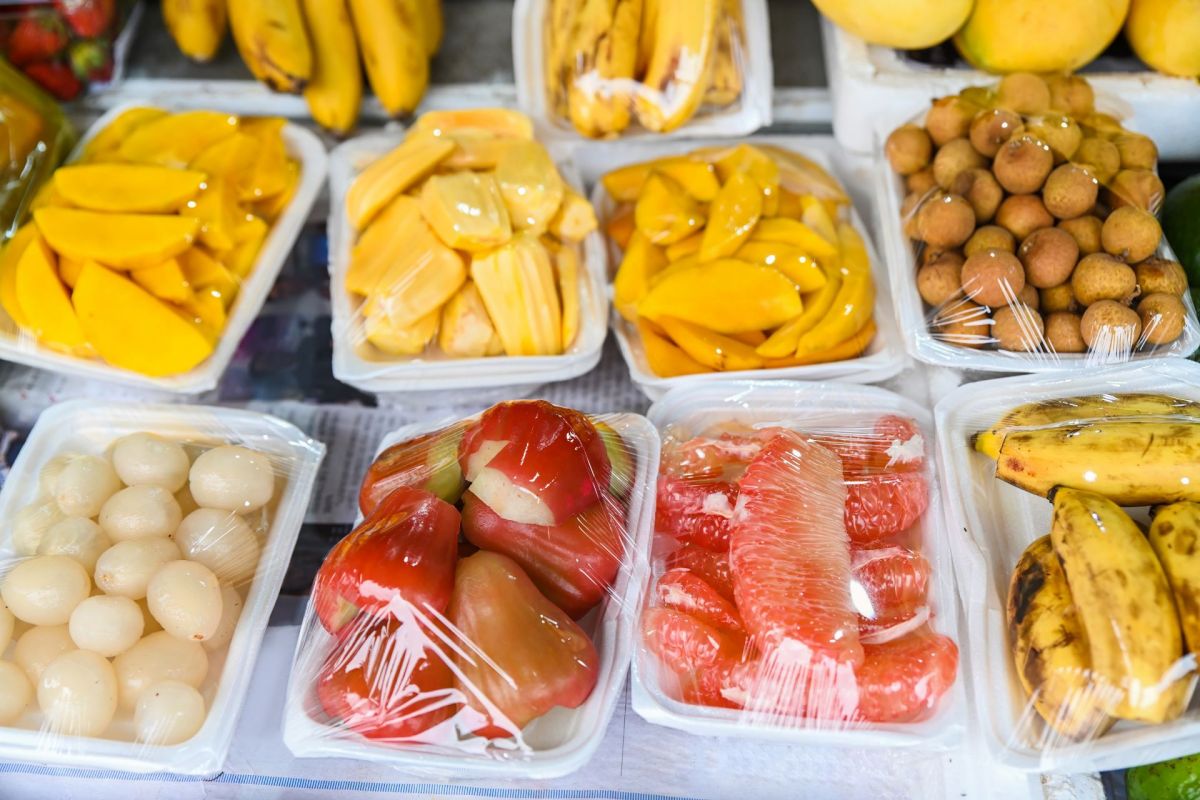
A Reddit user frustrated about grocery packaging asked a question many consumers have likely wondered themselves while standing in the store aisle: Why are so many foods wrapped in layers of plastic, while staples such as flour and sugar often still come in paper bags?
What's happening?
The post, shared in the r/ZeroWaste subreddit, drew hundreds of upvotes and dozens of comments from Redditors venting about wasteful packaging while also offering explanations for why some dry goods are packaged differently.
In the caption, the original poster complained that "everything" seems to be wrapped in plastic except the products that might appear to need the tightest seal.
That observation prompted a mix of sarcasm and frustration over how much single-use material ends up in the average grocery haul.
Some commenters said there are legitimate reasons flour and sugar are often sold in paper packaging. One pointed to safety concerns related to flour storage, while others noted that both products are low-moisture staples that may fare better in breathable paper than in fully sealed plastic.
Another commenter added that sugar and flour can "sweat," making paper a more useful packaging choice than some shoppers might expect.
TCD Picks » Quince Spotlight
💡These best-sellers from Quince deliver affordable, sustainable luxury for all




The discussion also moved beyond a single bag of flour to the logic of modern packaging. Users brought up everything from plastic-lined paper bags to disposable party supplies to overpackaged pantry items, showing how quickly waste can pile up at home.
Why does it matter?
Excess packaging can mean paying for unnecessary materials, bringing more trash into the home, and dealing with harder-to-recycle waste after just one use.
Plastic-heavy packaging can also make it harder for shoppers who are trying to cut costs and reduce household clutter at the same time. Buying products in refillable or simpler packaging can help households save storage space, reuse containers, and avoid constantly throwing away wrappers, trays, and plastic film.
Packaging decisions are not always straightforward. Glass jars may seem like a better option, but some commenters pointed out that they are heavier and more fragile, which can increase shipping impacts and make transportation less efficient.
What can I do?
The most practical solutions raised in the thread were local and relatively simple. Commenters recommended buying dry goods from bulk sections when possible and bringing reusable containers.
"The co-op grocery store offers bulk goods and allows you to bring your own glass widemouth jars and sells jars as well," they said. "I buy a lot of dry goods this way. Oats, flour, cornmeal, popcorn, jerky, candy, nuts, and coffee beans."
That approach can reduce household waste and even save money, especially when shoppers buy only what they need. It also provides sturdier storage at home, which may help prevent spills and reduce repeat purchases caused by waste.
Shoppers also mentioned skipping produce bags and reusing utensils when possible.

Get TCD's free newsletters for easy tips, smart advice, and a chance to earn $5,000 toward home upgrades. To see more stories like this one, change your Google preferences here.







