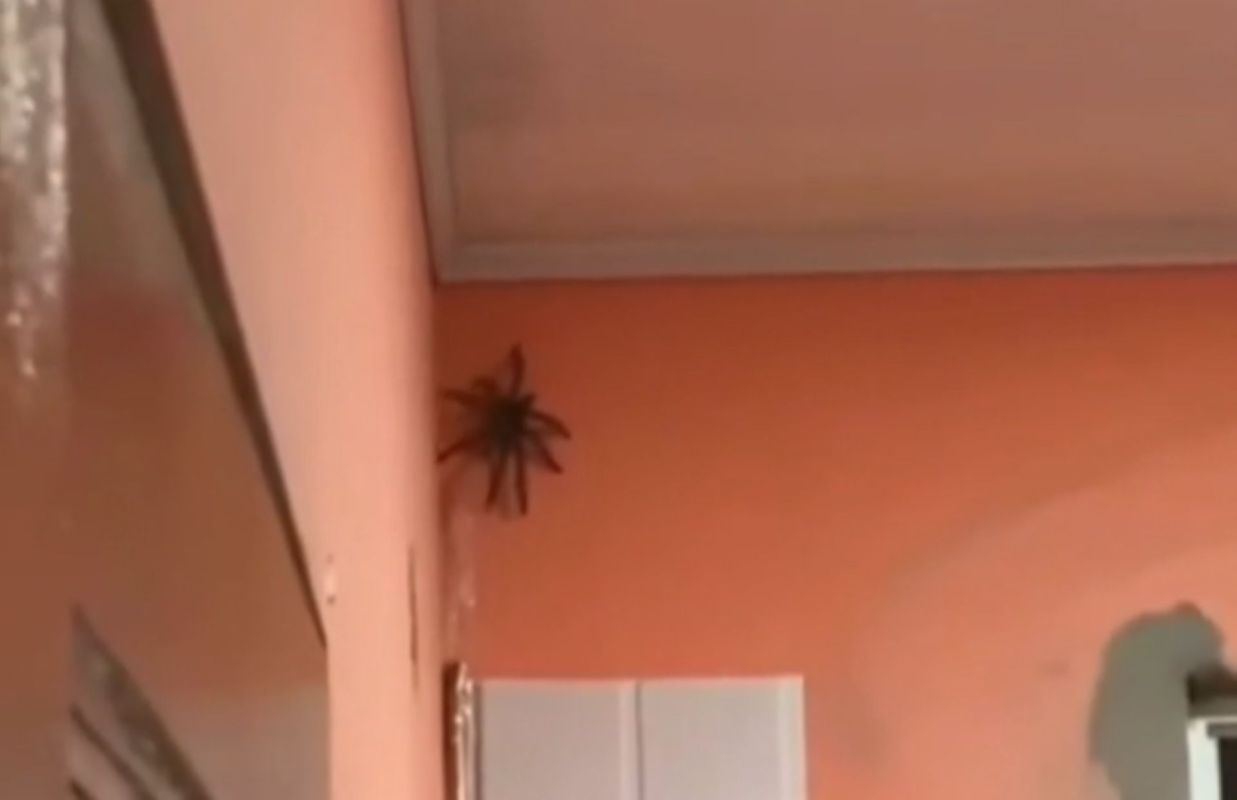
A new post has arrived to fuel Reddit's arachnid obsession.
A video reposted to r/spiders features a strikingly large mystery spider, and because the original clip included neither a species identification nor a location, viewers immediately set out to solve the mystery.
The comment section quickly filled with fascination and fear.
What happened?
The clip was reposted after the poster said they were unable to crosspost it over from r/absoluteunits, a subreddit devoted to unusually large things. That provides all the context needed, as this spider was most definitely an absolute unit.
Nearly a thousand comments followed as users tried to determine what species it was and where the video may have been recorded. Without a firm species ID, the thread became a mix of amateur arachnology and geography guessing.
More Than a Mystery
Large spider clips posted without context can fuel panic and myths just as easily as curiosity — and especially in the age of AI, it's hard to even take any video footage at face value anymore to boot. That curiosity is a good reminder of the value of spiders.
Save $10,000 on solar panels without even sharing your phone number Want to go solar but not sure who to trust? EnergySage has your back with free and transparent quotes from fully vetted providers that can help you save as much as $10k on installation. To get started, just answer a few questions about your home — no phone number required. Within a day or two, EnergySage will email you the best local options for your needs, and their expert advisers can help you compare quotes and pick a winner. |

Setting aside the possibility of AI, especially since spiders can actually grow that size in some parts of the world, the chief guesses landed on the Trinidad chevron tarantula species as well as the possibility that it's a huntsman spider — famous for their size. Others suggested it may be from the Avicularia or Psalmopoeus genus of tarantula.
Others took more otherworldly approaches.
"That's not a spider, it's a boss from Elden Ring," one said, while another called it Aragog, from the Harry Potter series.
Spiders play an important ecological role, especially in controlling insect populations. A giant spider may look alarming, but size alone does not tell you whether it is dangerous. Misidentifying animals often leads people to kill them unnecessarily or use pesticides they may not need.
TCD Picks » Quince Spotlight
💡These best-sellers from Quince deliver affordable, sustainable luxury for all




As housing developments push farther into natural habitats, indoor spaces get cluttered, and goods move around the world more frequently, wildlife and humans cross paths more often. A spider showing up near people is not always a case of nature "invading" human space; sometimes it reflects how extensively human activity has reshaped the boundary between the two.
What should I do?
If you come across a large spider and do not know what it is, the safest first step is simple: do not touch it. You could take a clear photo or video from a respectful distance, and make note of where you found it. Location is often one of the biggest clues to getting a reliable identification.
From there, you can ask a local extension office, university department, arachnid group, or community science app for help. Online forums can be useful, but unlike this post, ensure you provide detailed information, like your location and where you found it.
The process might even inspire you to start your own Spider League, as Tim Robinson and fellow comedians have talked about running in various interviews.
If the spider is indoors, humane relocation is often possible with a container and a stiff piece of paper, provided you can do so safely. If not, a local professional may be able to help. Preventing future surprise encounters can be as simple as sealing cracks, reducing clutter, and limiting the insect populations that attract spiders in the first place.
Until the original poster shares more details, the spider mystery remains unsolved, with no confirmed species identification or location.

Get TCD's free newsletters for easy tips, smart advice, and a chance to earn $5,000 toward home upgrades. To see more stories like this one, change your Google preferences here.
Cool Picks