


Archaeologists in Germany thought they had found the remains of a relatively recent riverside structure. As it turns out, they were off by a couple of thousand years, Arkeonews detailed.
What happened?
Arkeonews reports wooden remains uncovered beneath the bank of the Main River in Aschaffenburg have now been dated to the 4th century BC, revealing a rare Iron Age structure hidden beneath the modern city.
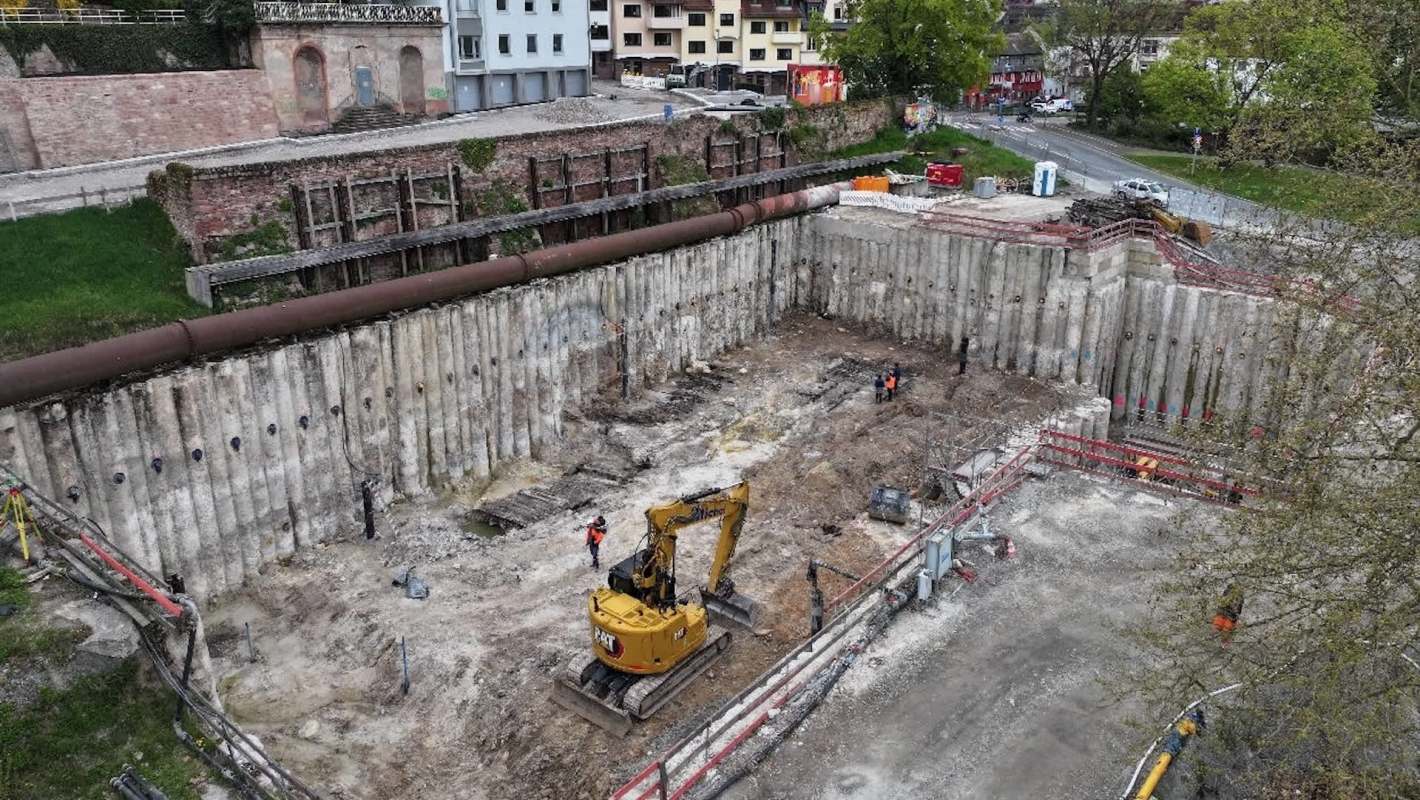
The discovery came during construction of a rain overflow basin north of Aschaffenburg's Willigis Bridge, where workers encountered preserved wooden remains about eight meters below ground, the outlet noted. Because the timbers appeared so well intact, specialists initially believed they dated to the early modern or modern era, according to Arkeonews.
Testing told a very different story. Arkeonews said samples from several oak beams were analyzed at the Bavarian State Office for Monument Protection's dendrochronology lab in Thierhaupten, where researchers compared the tree rings with regional oak chronologies.
The results showed the trees were felled and used in the 4th century BC, per the researchers. That places the structure in the Iron Age and potentially links it to a previously identified early La Tène-period settlement in what is now the old town, Arkeonews said.
Dr. Stefanie Berg of the BLfD branded the find as "exceptional," per the outlet, for its riverside location, preservation, uncommon mix of wood and stone, and Iron Age date.
TCD Picks » Quince Spotlight
💡These best-sellers from Quince deliver affordable, sustainable luxury for all




Why does it matter?
The remains are especially unusual because they combine massive oak beams with a dry-stone wall facing the river, a type of construction rarely documented for that period in the region, per Arkeonews.
Until now, the outlet said evidence of Iron Age life in Aschaffenburg had mainly come from individual objects and scattered settlement traces, including a gold finger ring and an animal-head fibula.
This newly uncovered structure suggests something much larger and more organized may once have stood along the Main River. Its scale, preservation, and construction technique point to a site that may have been more than a simple practical installation, Arkeonews indicated. The find hints that Aschaffenburg may once have been an important Iron Age center.
It's intriguing that the find occurred during a project to address rising rains. In other areas like Turkey, drought is leading archaeologists to find thousands-of-years-old structures.
What's being done?
Archaeologists are now working closely with the City of Aschaffenburg to document and recover the remains, as Arkeonews reported. The work is unusually difficult because the structure sits in a pit around eight to 10 meters (about 26 to 33 feet) deep, meaning every step must meet engineering and safety requirements.
Researchers are carefully documenting the wood-and-stone complex while trying to determine what it was used for. Arkeonews speculated it may have been tied to some kind of riverfront feature, defensive component, or possibly a substantial representative building, though its exact purpose remains unknown.

Get TCD's free newsletters for easy tips, smart advice, and a chance to earn $5,000 toward home upgrades. To see more stories like this one, change your Google preferences here.







