


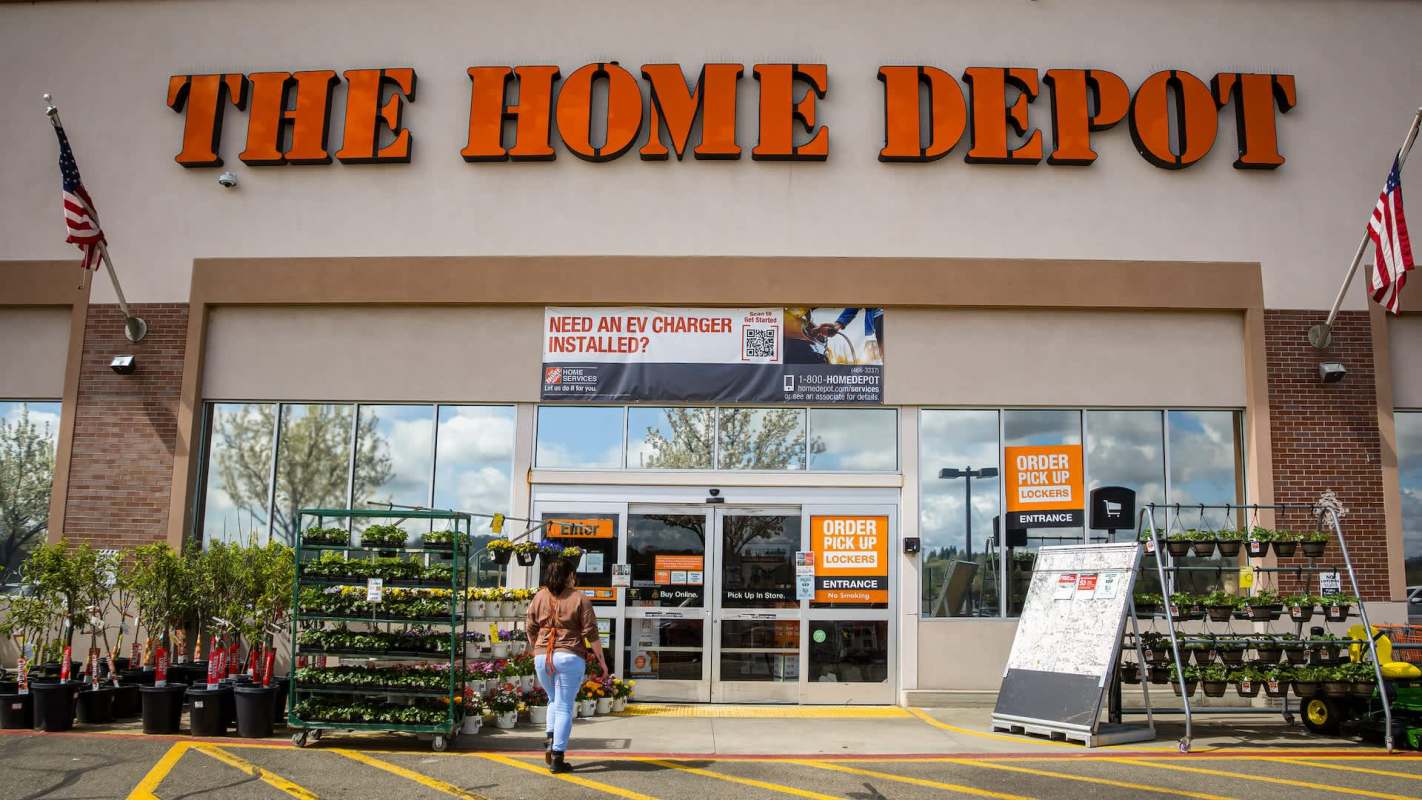
A gardener on Reddit sparked a lively discussion after asking why a bag of manure at Home Depot now costs about three times what it did eight years ago.
Others responded with frustration over rising gardening costs, along with a flood of advice on how to stop paying retail for something many farms are happy to give away.
The original poster wrote, "A bag of manure is now 3x what it was just 8yrs ago at Home Depot for me. What happened?"
In a TCD check, data could be found as far back as 2020 that a Home Depot bag of non-organic manure cost $5, now costing about $6.50, but TCD was unable to confirm the claim of a rise resembling a threefold increase since 2018, and maure prices generally vary based on location and time of year. Fertilizer prices overall have spiked in recent months due to the war in Iran, though, causing demand for local manure to increase, and organic manure now sells for over three times as much as non-organic manure, at about $20 per cubic foot.
The thread drew dozens of comments from fellow gardeners and homesteaders, many of whom said they have noticed the price increase with soil amendments and other garden basics.
While commenters disagreed on the exact cause, several pointed to broader inflation and growing demand for compost and manure as commercial fertilizers become more expensive.
TCD Picks » Quince Spotlight
💡These best-sellers from Quince deliver affordable, sustainable luxury for all




One user wrote, "Everything is 3x what it was 8 years ago."
Others said store-bought manure often feels like a bad deal even before the price increase. A few complained that bagged products can contain bark, woody chunks, or plastic bits rather than the rich composted material shoppers expect.
The most common response was to skip the bagged stuff and look for a local source, with one cautioning against purchased cow manure from unclear origins since it may contain traces of herbicides that could do the opposite of the intended effect.
"Are you near a town with cafes or Starbucks?" they asked. "Ask them if you can pick up all their green waste and in particular their used coffee grounds. It makes awesome compost, very similar to manure except no weed seeds."
For many households, gardening is supposed to save money, not become another expensive chore. Growing your own food can reduce grocery bills, produce better-tasting fruits and vegetables, and support mental and physical health through time outdoors, movement, and stress relief. When key inputs become more expensive, that advantage can shrink, especially for beginners.
There is also a quality and safety concern. Several experienced growers warned that some off-site manure may carry persistent herbicides from treated hay or bedding, which can damage garden crops for years. A higher price tag does not always guarantee a better product.
Multiple commenters recommended horse barns, goat and sheep farms, rabbit owners, and stables that regularly clean out bedding and manure piles. In many cases, they said, the material is free if you bring your own shovel, buckets, or truck.
Others suggested checking Facebook Marketplace or local farming groups, where aged manure is often listed cheaply or given away. Buying composted manure by the cubic yard from a landscape supply company can also be far cheaper than purchasing individual bags.
Commenters said anyone sourcing manure locally should ask about herbicides, bedding, and deworming products before spreading it in food gardens. Gardeners can also build healthy soil with compost, grass clippings, and other plant-based materials.
"That was one reason I got chickens," one person wrote, implying they use waste from their chickens to fertilize.
"Make friends with a horse barn or farmer," another recommended.

Get TCD's free newsletters for easy tips, smart advice, and a chance to earn $5,000 toward home upgrades. To see more stories like this one, change your Google preferences here.






