


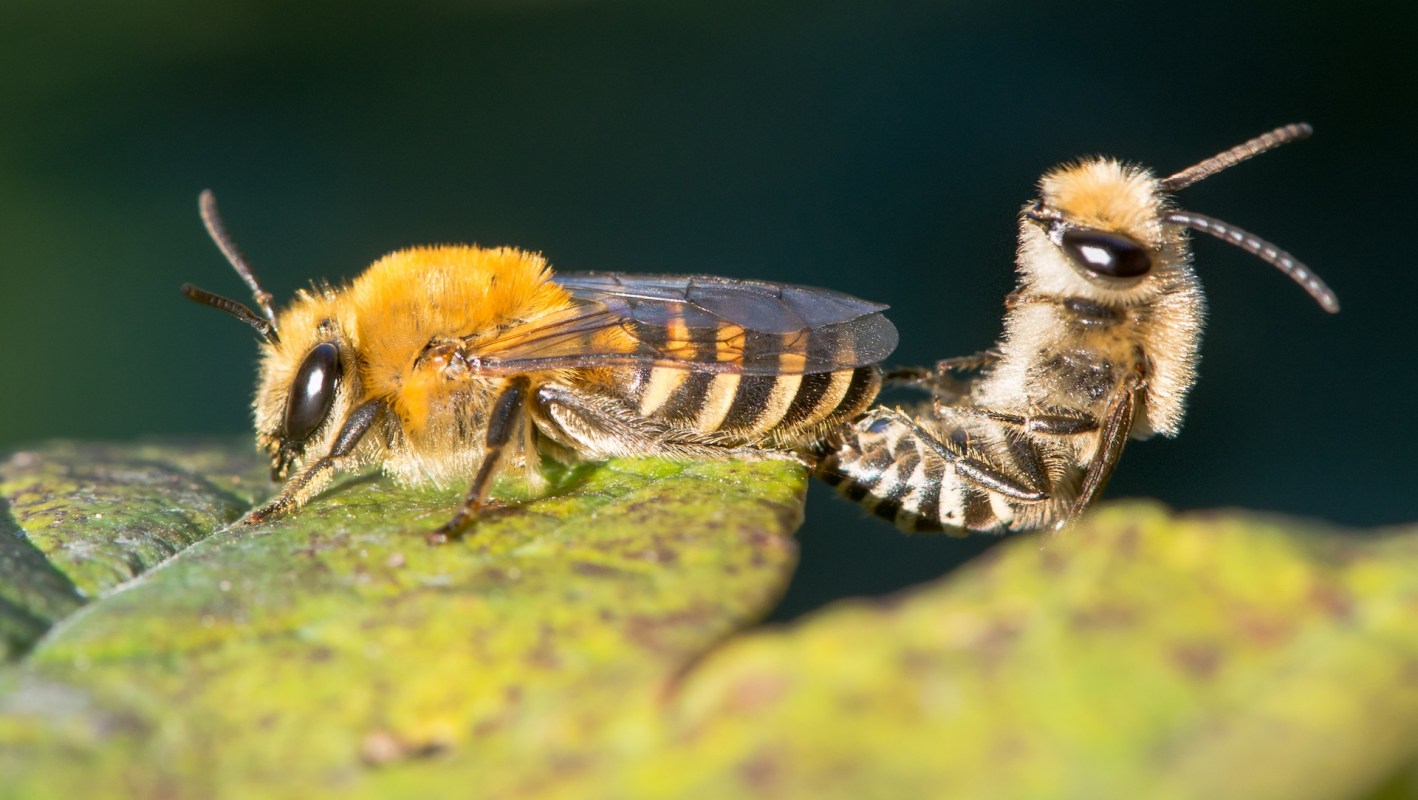
A new bee study suggests heat waves may be doing more damage to pollinating insects than scientists had realized — not by killing them outright, but by quietly undermining their ability to reproduce.
That could spell trouble for farms, gardens, and a food supply that depends on healthy wild bee populations.
According to a report from The Conversation, researchers in the U.K. recreated the three-day heat wave that struck in July 2022 to see how developing red mason bees would respond. The study, which was published in the Journal of Thermal Biology, subjected a group of developing red mason bee larvae to three days of high temperatures matching those of the July heat wave.
The test group experienced daily peaks of 40 degrees Celsius (104 degrees Fahrenheit), while a control group was kept at more typical July temperatures, peaking around 25 C (77 F).
At first, the results looked reassuring. After spinning cocoons, hibernating, and emerging nine months later, the bees appeared normal.
But dissections told a different story. Males in the heat-exposed group had sperm that was about 50% less active, and their sperm counts were lower by roughly one-third than in the control group. In developing eggs, females showed about a 15% decline in the quantity and size.
TCD Picks » Quince Spotlight
💡These best-sellers from Quince deliver affordable, sustainable luxury for all




"The heat wave had wrecked their fertility, especially in males," co-author James Gilbert explained.
Red mason bees are widespread solitary bees in U.K. gardens that help pollinate apples and other fruits.
The findings suggest that even brief periods of extreme heat can severely damage fertility in bees that survive.
Pollinators are a critical part of the human food system, and solitary bees make up the majority of bee species.
A fertility hit from one year's heat wave could mean fewer bees the following year — and weaker pollination for crops. Lower pollination could leave commercial fruit growers relying more heavily on rented honeybee hives to make up the difference.
The research points to a major vulnerability. Unlike honeybees and bumblebees, solitary bees do not live in social groups that can help buffer weather extremes.
Their nests are more exposed, making them especially sensitive to hotter conditions that are becoming more common even in relatively cool countries.
Researchers say the next priority is to understand how heat stress interacts with the many other pressures bees already face, including pesticides, disease, habitat loss, and poor nutrition.
A government-funded study is now examining how climate change changes the nutritional needs of developing wild bees — and whether parent bees can adapt.
Early signs suggest bee larvae may need different nutrient balances at different temperatures, and scientists are now testing whether mothers can adjust the pollen they collect to meet those needs.
"Extreme hot weather is becoming more prevalent, even in cooler countries. These studies show that severe weather, while not necessarily killing bees outright, has the ability to seriously damage the bee population — with long-term consequences for pollination as well as the human food chain," Gilbert said.

Get TCD's free newsletters for easy tips, smart advice, and a chance to earn $5,000 toward home upgrades. To see more stories like this one, change your Google preferences here.







