


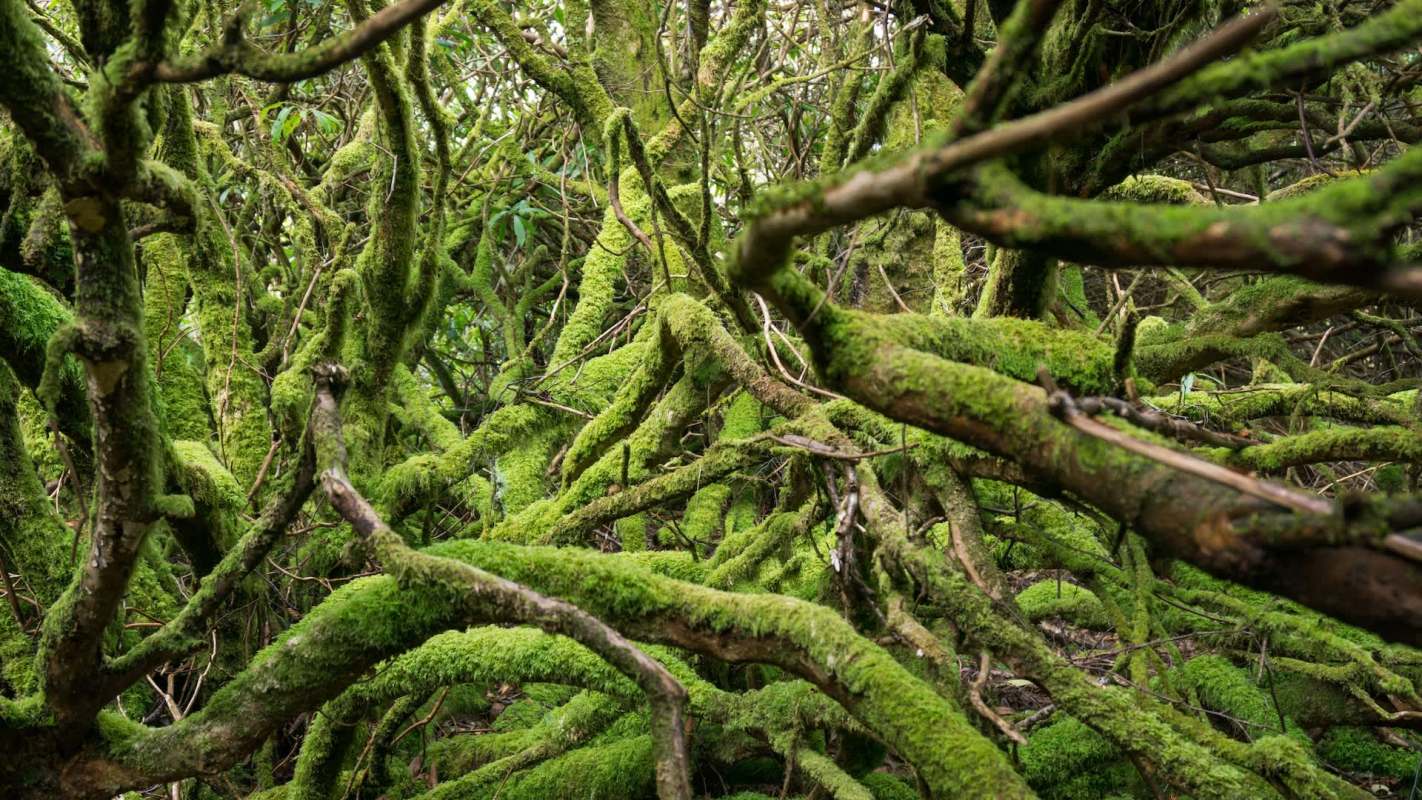
A new community-powered wildlife survey is drawing attention to one of Scotland's most fragile ecosystems: temperate rainforest.
In West Cowal, volunteers recently recorded more than 1,100 species — including glow worms, slime molds, and rare lichens — in an area that had not been comprehensively studied in roughly 50 years.
As the BBC detailed, the Argyll Countryside Trust's rainforest project highlights how much life persists in Scotland's shrinking rainforest habitats. Using a citizen science model, volunteers photographed species with a mobile app that automatically logged GPS locations, while artificial intelligence tools suggested identifications for expert review.
So far, 171 people have contributed more than 3,400 records across West Cowal, helping to establish a long-needed biodiversity baseline for the region.
Images shared from the project show mossy woodland, lichens clinging to tree trunks, and volunteers documenting species. The survey also recorded species that thrive in the cool, wet conditions of Scotland's Atlantic Ocean coast — a habitat that has become increasingly rare.
Scotland's temperate rainforest supports a web of life that has been declining for decades, and the new data could help conservationists determine which habitat fragments most urgently need protection. Healthier forests can support cleaner water, more resilient landscapes, and stronger natural systems in a warming world.
TCD Picks » Quince Spotlight
💡These best-sellers from Quince deliver affordable, sustainable luxury for all




Scotland ranks among the most nature-depleted countries, and the 2023 State of Nature report showed that average species abundance was 15% lower than in 1994, according to the BBC. At the same time, these rainforests face mounting pressure from invasive rhododendron and overgrazing by deer, which can stop young native trees, such as aspen, from ever reaching maturity.
Citizen science projects like this one can inform habitat restoration efforts and strengthen public support for policies aimed at reversing biodiversity loss.
ACT rainforest manager Ian Dow called the biodiversity found in these forests "hugely significant," adding that the remaining rainforest pockets are "globally important," according to the BBC. "Biodiversity is ultimately the life raft that we all float on," he said.
Volunteer coordinator Heather Morrison said the technology has made species identification much faster than in older surveys and is helping to reveal overlooked habitat. "It helps us find fragments of rainforest that we maybe didn't know existed," she said, per the BBC.

Get TCD's free newsletters for easy tips, smart advice, and a chance to earn $5,000 toward home upgrades. To see more stories like this one, change your Google preferences here.







