


For years, plastic baby bottles have been a standard option for families seeking low-cost, lightweight, and easy-to-sterilize containers for feeding their infants.
But that may be shifting as researchers learn more about how microplastics can be released during the everyday use of bottles.
What's happening?
According to The Charlotte Observer, many parents are now swapping out plastic baby bottles for silicone and glass as research continues to raise questions about how much plastic babies may be exposed to during feedings.
Help your baby sleep from night one — with 3 months of expert sleep support included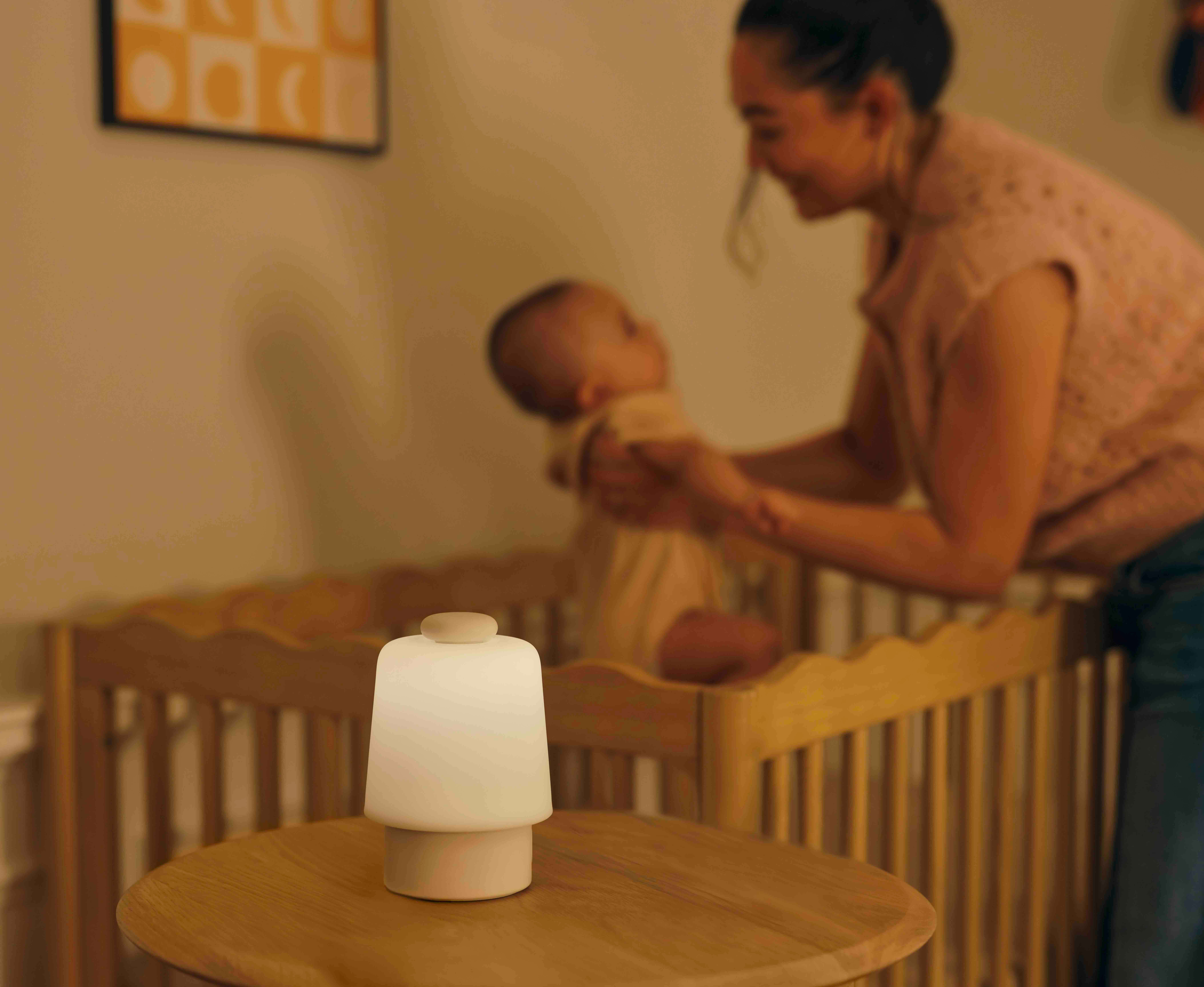 Hatch Baby is the all-in-one device and support system that uses soothing lights, science-backed sounds, and expert sleep guidance to help your baby sleep from night one. New parents will enjoy features like a soft nightlight for late-night feedings and diaper changes, plus the boop-able Big Button that controls volume and starts your baby's favorite sounds. Plus, every Hatch Baby comes with three free months of the premium experience, including a 24/7 sleep chat, age-based schedules, and a full library of premium audio and lights. Learn more → |

A 2020 Trinity College Dublin study estimated that "baby formula preparation with polypropylene bottles exposes infants around the world to an average of one million microplastic particles per day," according to a news release.
Much of the concern is tied to heating. Researcher and reproductive health and environment professor Tracey Woodruff told NBC News in 2025 that plastic baby bottles may release microplastics and even smaller nanoplastics, especially when they are warmed for formula preparation.
A 2024 study co-authored by researchers at Slovak Medical University looked at not only plastic bottles but also toys and the human placenta as potential sources of microplastic exposure. Research published this year found that exposure to chemicals commonly present in plastics may be linked to millions of preterm births.
Why does it matter?
Infancy is a period of rapid growth. Baby bottles are sterilized, heated, shaken, and washed over and over again — all of which can increase wear and potentially increase the release of plastic particles.
A systematic review led by Woodruff linked microplastic exposure to respiratory, digestive, and reproductive harms, along with higher risks of lung and colon cancer.
Scientists are still working to understand how these particles behave in the body, however. The risks of microplastics still require further investigation, but many researchers and consumers believe there's reason enough to take some simple steps to mitigate exposure.
What can I do?
Parents trying to reduce microplastic exposure are increasingly considering silicone and glass baby bottles. Glass remains the clearest option for avoiding plastic particle shedding because it does not break down the same way under heat and repeated washing.
Silicone has emerged as a popular middle-ground option. It is lighter and more durable than glass, and many experts consider high-quality food-grade silicone a safer choice than standard plastic because it does not contain BPA, BPS, PVC, or phthalates. Still, it may not be a perfect solution.
A 2023 study published in PLOS One found that silicone products can also emit nanoparticles, but at lower rates and with less toxicity than conventional plastics. If considering silicone, experts typically recommend bottles labeled "100% food-grade" or "medical-grade" and replacing them if they become cloudy, sticky, torn, or otherwise worn down.
How does Hatch also help parents?
Other solutions for helping your baby stay happy and healthy also exist. For example, Hatch Baby is an all-in-one smart sleep device and service that was created to help babies, toddlers, and parents get better rest.
Hatch Baby is a go-to device for young and expecting parents, because the smart device actually changes as a child develops — from science-backed lights and soothing sounds for parents-to-be all the way to pink noise for newborns and sleep guides for the parents of toddlers.
The founders of Hatch had their own trouble sleeping (with and without babies) and so, a decade ago, they set out to create the ideal solution for everyone in the same boat. The Hatch Baby is no exception, especially because the brand knows the first months of parenting can be a big adjustment.
The Hatch Baby comes with three months of the full, premium experience, including a 24/7 sleep chat, in-app baby sleep guides with science-backed advice, and a full library of premium audio and lights.

Get TCD's free newsletters for easy tips, smart advice, and a chance to earn $5,000 toward home upgrades. To see more stories like this one, change your Google preferences here.






