


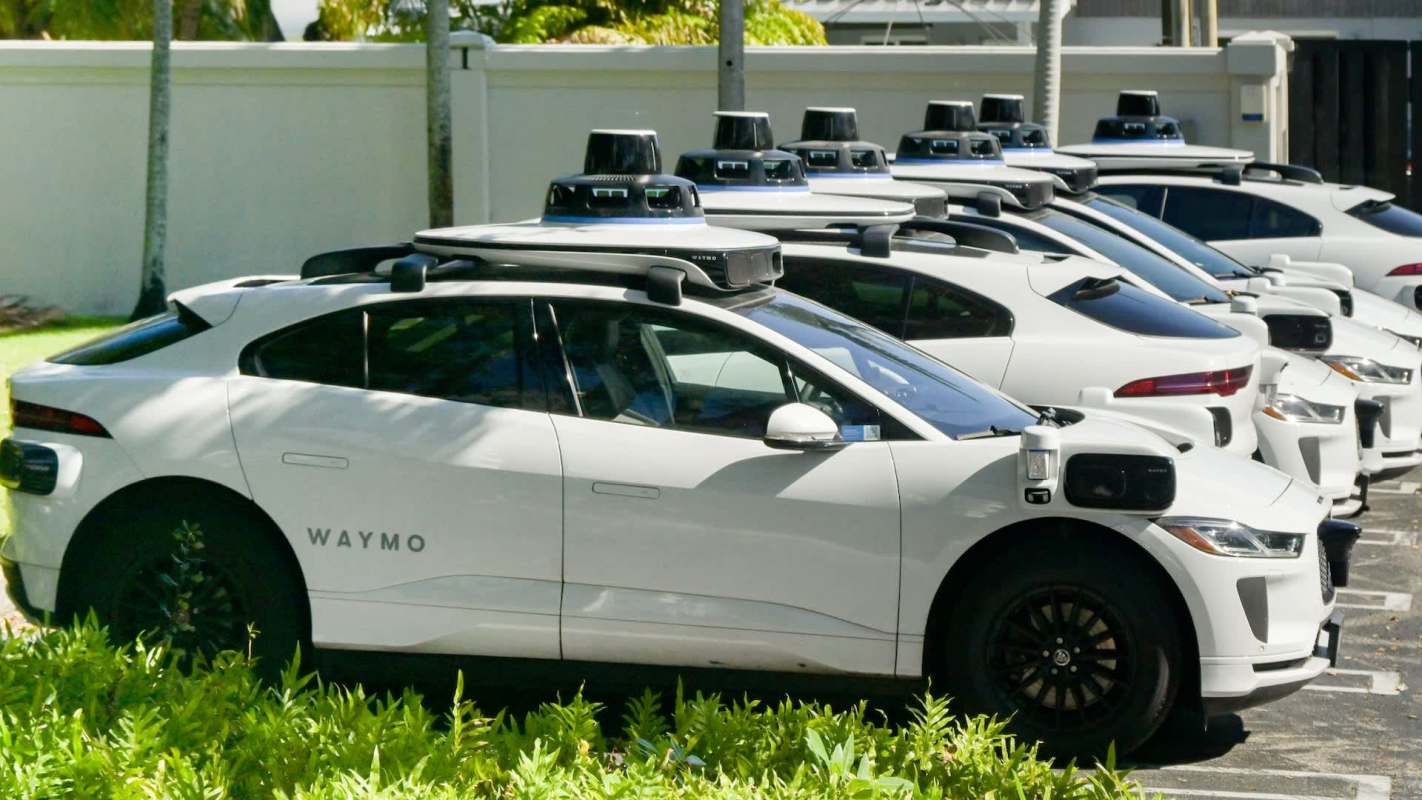
Autonomous vehicles are racking up eye-popping numbers on U.S. roads. But the expansion is running into organized resistance, Pluribus News reported.
What's happening?
U.S. self-driving travel has reached 360 million miles and 21 million robotaxi rides, even as labor groups work to slow a broader rollout.
Driverless technology is moving further into the mainstream as companies continue to test and deploy robotaxis in more places. But as the industry grows, unionized drivers are pushing back in statehouses across the country.
The Teamsters union told Pluribus News it helped block measures this year that would have permitted driverless vehicles in Maryland, Minnesota, Missouri, Oregon, Virginia, and Washington. The union is also fighting a proposed autonomous vehicle pilot project in Illinois.
Why does it matter?
That resistance comes as adoption grows. With miles and rides piling up, supporters say the fast-moving technology has major commercial potential.
Critics, meanwhile, argue lawmakers should move cautiously when jobs, public safety, and oversight are on the line.
TCD Picks » Quince Spotlight
💡These best-sellers from Quince deliver affordable, sustainable luxury for all




Autonomous vehicles could reshape everyday transportation, delivery systems, and employment. If lawmakers clear the way for wider adoption, more people could soon encounter driverless cars in their neighborhoods, in urban centers, and at airports.
The implications are especially problematic for workers. Unionized drivers see AV expansion as a direct threat to driving jobs and are trying to ensure policy does not move faster than protections for workers and the public.
Even in states that want to embrace new technology, labor opposition can slow or block legislation.
Self-driving vehicles rely on artificial intelligence systems that process enormous amounts of data in real time. It's evident there are limitations to the tech, as Waymo's struggles with flood conditions show. Tesla is far from immune to its own issues.
AV policy also involves how communities weigh innovation against accountability, affordability, energy use, and trust in rapidly advancing AI systems.
What's being done?
So far, the most visible action has come at the state level. The Teamsters have focused on stopping or narrowing legislation that would accelerate driverless vehicle deployment, and that strategy produced a handful of wins.
Those efforts suggest AV adoption will likely continue in a piecemeal way, with some states moving faster than others and labor groups remaining a major force in the debate. In Illinois, for example, the opposition is now centered on a proposed pilot project.
Rules governing testing, pilot programs, safety oversight, and labor protections are often decided locally, and those decisions can shape road use, transit options, and future job markets.
How companies and policymakers address safety and transparency will help shape the spread of AI-powered services in daily life.
Self-driving technology is advancing quickly, but its path is far from automatic. With millions of robotaxi rides completed, the next phase may depend less on engineering alone and more on what workers, voters, and lawmakers are willing to accept.

Get TCD's free newsletters for easy tips, smart advice, and a chance to earn $5,000 toward home upgrades. To see more stories like this one, change your Google preferences here.






