


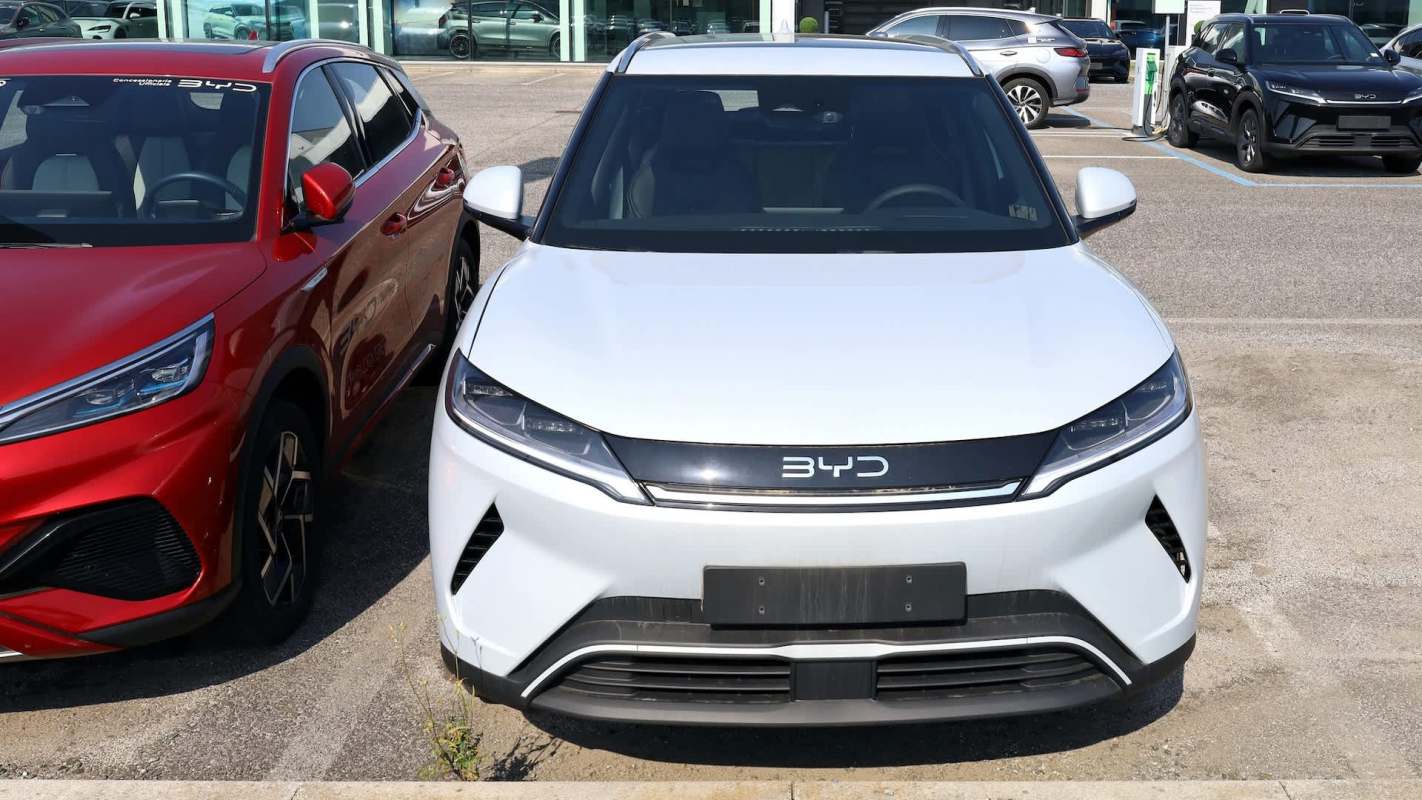
A proposal from two Michigan lawmakers aims to bar Chinese-branded vehicles from entering the United States, even for brief visits to border communities.
According to The Detroit News, Sen. Elissa Slotkin and Rep. Haley Stevens announced a joint push on Wednesday to stop fully assembled Chinese-brand vehicles from entering the U.S. by way of Canada or Mexico, including for short trips.
Supporters have said the effort is about more than trade, arguing it is also about protecting workers, infrastructure, and public safety as modern cars become increasingly connected and capable of collecting vast amounts of data.
The lawmakers said the bill would target vehicles made by brands such as BYD, Chery, and Geely. The legislation has not yet been formally introduced, but both lawmakers said they plan to do so.
The issue has drawn fresh attention after Canada agreed to a deal with China that would allow the import and sale of as many as 49,000 Chinese EVs. Meanwhile, Chinese-branded vehicles have already been spotted in the U.S. with Mexican plates, including in border states and farther north.
Slotkin said the concern is both economic and strategic, describing the vehicles as possible "surveillance packages on wheels" because of their cameras, sensors, and mapping technology.
TCD Picks » Quince Spotlight
💡These best-sellers from Quince deliver affordable, sustainable luxury for all




For many families in manufacturing-heavy states such as Michigan, the debate is deeply personal. Auto jobs support local businesses, schools, and entire communities, so lawmakers calling for tighter restrictions have said they are trying to protect workers from unfair competition as the industry shifts toward cleaner technology.
They have also argued that modern vehicles can collect enormous amounts of location and video data. If connected-car systems are not secure, that could raise privacy concerns.
At the same time, critics of a blanket ban have said it could reduce consumer choice and make the transition to cleaner transportation more difficult by keeping some lower-cost EVs off the road. Others worry it could complicate travel for cross-border visitors and further strain U.S. relations with Canada and Mexico.
Slotkin and Stevens said their bill would broadly block the temporary entry of Chinese-branded vehicles while still allowing certain exemptions.
"It's important to me, both as an economic security issue and as a national security issue, that we not allow these vehicles to come over our border," Slotkin told The Detroit News.
Stevens added: "We've got to put Michigan first."

Get TCD's free newsletters for easy tips, smart advice, and a chance to earn $5,000 toward home upgrades. To see more stories like this one, change your Google preferences here.






