


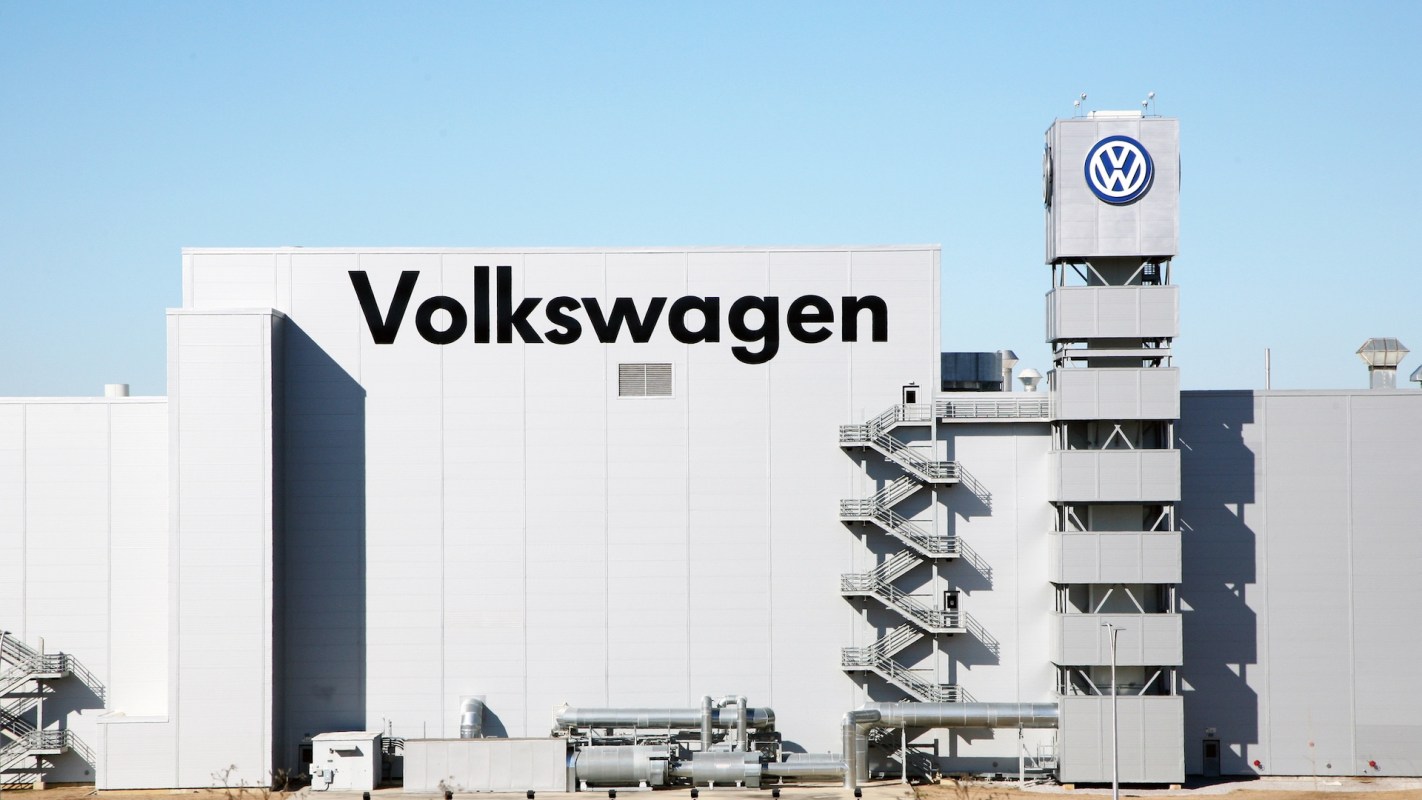
Volkswagen is deepening its investment in EV startup Rivian even as the automaker may be heading toward a costly problem of its own.
According to CleanTechnica, Volkswagen has increased its stake in Rivian to 15.9%, despite facing the prospect of European fines if its electric vehicle sales do not improve quickly enough.
Volkswagen's initial June 2024 investment in Rivian was $1 billion, giving it an 8.6% ownership stake in the company.
It later made a second $1 billion investment after Rivian recorded gross profit across two straight quarters in 2025. In April, Volkswagen purchased another $1 billion, raising its total stake to 15.9%.
If additional milestones are met, Volkswagen's total commitment could reach $5.8 billion by 2027.
CleanTechnica noted that Volkswagen has chosen to invest more in Rivian even as it could face €1.5 billion (roughly $1.75 billion) in fines if it falls short of fleet emissions requirements in Europe between 2025 and 2027.
TCD Picks » Quince Spotlight
💡These best-sellers from Quince deliver affordable, sustainable luxury for all




Volkswagen has struggled with software in the EV era, while Rivian has drawn praise for its vehicle technology. If Rivian can help Volkswagen improve software, charging features, and overall EV performance, drivers could end up with better electric cars at more competitive prices.
More appealing EVs can mean lower fuel costs for households, as well as cleaner air in cities, since electric cars don't have tailpipe pollution. That could also put more pressure on legacy automakers to move faster on electrification rather than relying on gas-powered models that remain more profitable in the short term.
There is also a downside if Volkswagen continues to miss its EV targets. Penalties could eat into money that might otherwise go toward innovation or price cuts. CleanTechnica noted Volkswagen's claim that it makes about 30% more profit on non-electric vehicles than on EVs.
Volkswagen's position is that weak consumer demand is part of the issue, reportedly arguing that the rules are unfair if buyers simply are not choosing enough EVs.
CleanTechnica pushed back on that argument, noting that automakers have made similar claims for years even as companies such as Tesla and Chinese EV makers have shown that strong demand can be unlocked with the right products.

Get TCD's free newsletters for easy tips, smart advice, and a chance to earn $5,000 toward home upgrades. To see more stories like this one, change your Google preferences here.






