


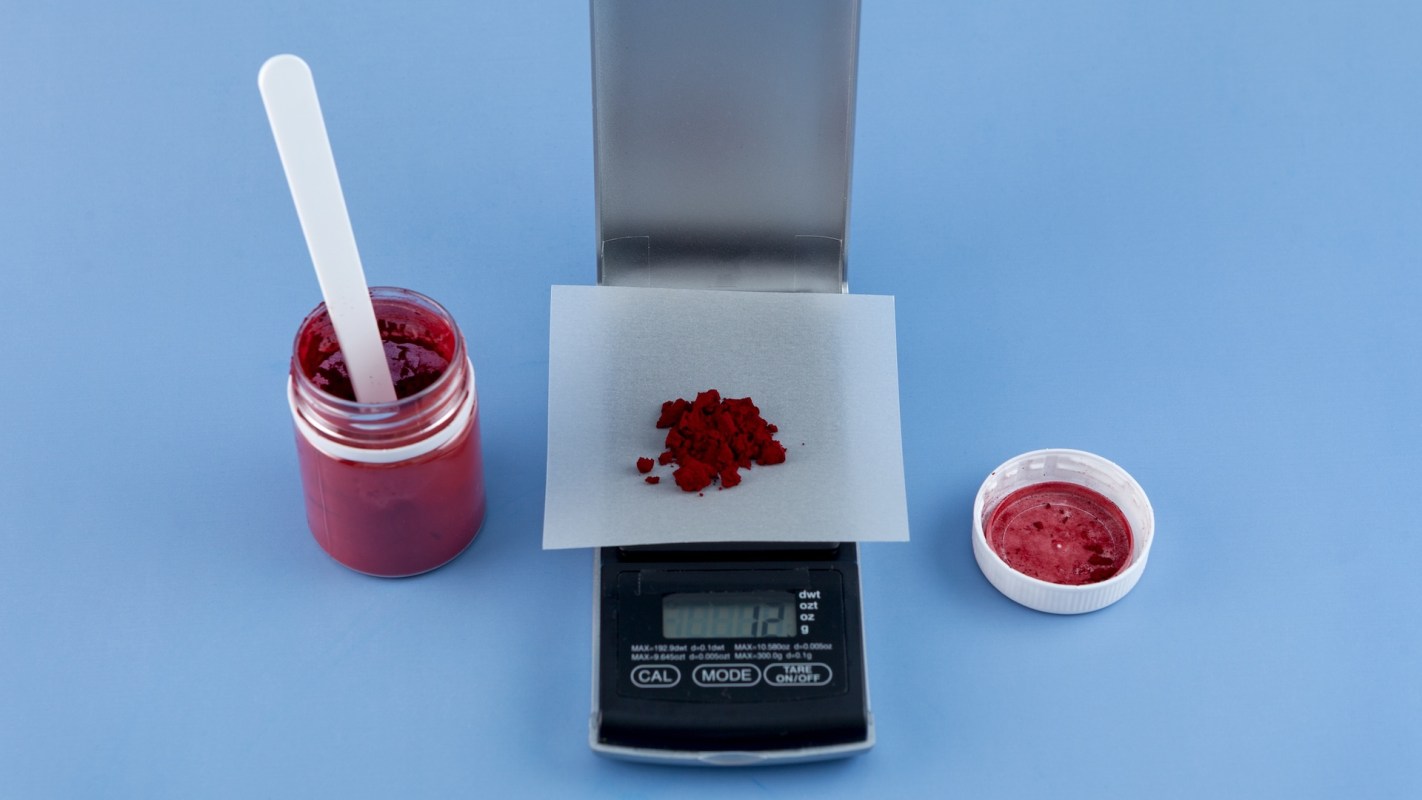
A biotech company in Israel announced it has raised $23.6 million to help bring a new kind of red food dye to the U.S. market.
As shoppers, regulators, and major food brands all pay closer attention to artificial dyes, Phytolon said in the press release that it wants to offer a natural alternative that is more practical in terms of price, supply, and performance.
What Happened?
Phytolon's release said the company completed a $23.6 million Series B round to expand its fermentation-derived food colors in the U.S.
The company said the financing was assembled in three stages and led by an undisclosed strategic investor, with participation from existing investors including Millennium Foodtech, NextGen Nutrition, Colorcon Ventures, and Yossi Ackerman.
The announcement follows the Food and Drug Administration's clearance of the company's first product, Beetroot Red, though the final effective date is still pending agency procedures.
"Phytolon is at the nexus of two mega-trends — consumer and regulatory demand to remove artificial dyes and advances in fermentation to offer natural ingredients with better functionality, cost and sustainability," said NGN General Partner James Cali in the release.
TCD Picks » Quince Spotlight
💡These best-sellers from Quince deliver affordable, sustainable luxury for all




According to Phytolon, Beetroot Red is produced through the fermentation of baker's yeast. The company says that the process can deliver a "high-performing, economic, and sustainable" alternative to artificial colors.
Why Does It Matter?
That has long been the challenge for natural dyes. Some are expensive, some are less stable, and some are difficult to source consistently at a large scale.
If fermentation can help address those issues, it could make cleaner-label snacks, drinks, and supplements easier to find at a lower cost.
Using yeast fermentation to create pigments could ease some of the pressure tied to conventional production methods while offering a steadier supply chain.
It could also expand the market for products positioned as safer and more sustainable. That could help fill in the gaps after the U.S. The Food and Drug Administration banned Red No. 3 food dye. Another food dye, Red 40, could be next on the chopping block.
These petroleum-produced dyes provide no nutritional value, and studies point to detrimental health impacts, particularly on children.
What's Being Done?
Phytolon co-founder and CEO Halim Jubran said in the release that the funding is intended to strengthen sales and supply support for customers and distribution partners in the U.S. and other markets.
Now investors and food makers appear to view natural color not simply as a health-driven niche, but as a mainstream category that may be ready to scale.
"With a strong network of strategic partners and recent FDA approval, Phytolon is well positioned to capitalize on the transition toward natural dyes across food and supplements products," Jubran concluded in the release.

Get TCD's free newsletters for easy tips, smart advice, and a chance to earn $5,000 toward home upgrades. To see more stories like this one, change your Google preferences here.






