


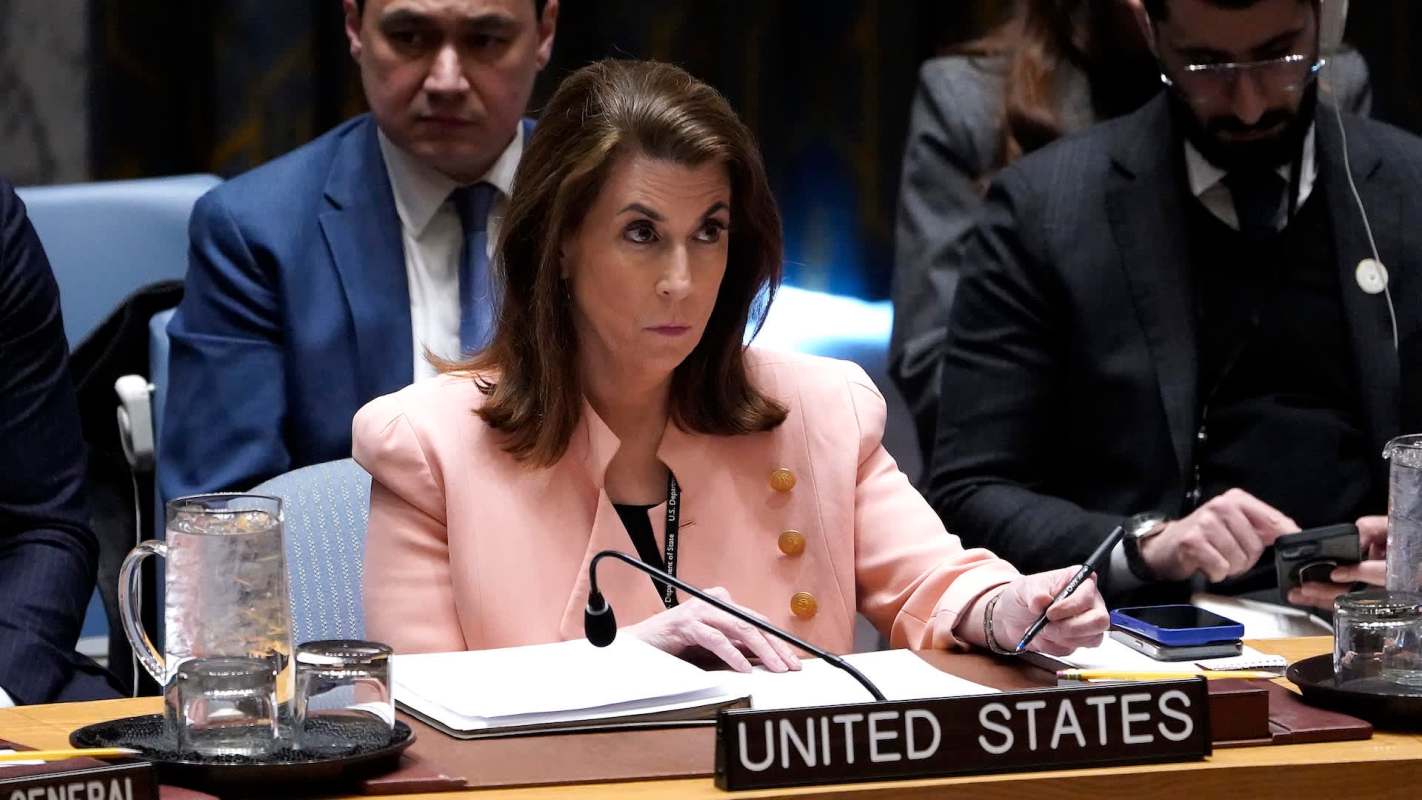
The United Nations has overwhelmingly backed a resolution affirming that countries have a legal responsibility to address climate change. But amid a growing global push to hold governments accountable, the United States voted against it.
In a 141-8 vote last Wednesday, the U.N. General Assembly adopted a resolution supporting a July 2025 advisory opinion from the International Court of Justice. It found states must, under international law, curb fossil fuel use and confront global warming, the Guardian reported.
The measure, introduced by the Pacific island nation of Vanuatu, passed with 28 countries abstaining. Saudi Arabia, Russia, Israel, Iran, Yemen, Liberia, and Belarus opposed the measure with the U.S. Countries that voted yes included Australia, Germany, France, and the United Kingdom.
In a post on X, U.N. Secretary-General António Guterres called the vote "a powerful affirmation of international law, climate justice, science & the responsibility of states to protect people from the escalating climate crisis."
While the advisory opinion is not legally binding, climate litigation and court rulings around the world are already using it.
U.S. Deputy Ambassador Tammy Bruce said Washington opposed the resolution because it included "inappropriate political demands relating to fossil fuels," per the Guardian. The Trump administration has withdrawn from the Paris Agreement, and it has backed policies aimed at increasing fossil fuel production.
TCD Picks » Quince Spotlight
💡These best-sellers from Quince deliver affordable, sustainable luxury for all




Even without the power to force countries to act, though, the court's opinion could add legal and political pressure.
Pacific nations have been especially vocal. Tuvalu's average elevation is about two meters, or about six-and-a-half feet, above sea level. More than a third of the population has sought a climate migration visa to Australia. Nauru has started selling passports in an effort to raise money for possible relocation.
As relayed by the Guardian, Vanuatu's ambassador, Odo Tevi, said, "We should be honest with one another about why this matters. … The harm is real and it is already here, along our islands and coastlines, for communities facing drought and failed harvests."
Vanuatu and other Pacific nations have spent years pushing the issue into international law. They've argued that countries most responsible for emissions should not be able to ignore the damage.
"In the current geopolitical context, sustained commitment to the rule of law is more important than ever," said Vanuatu's minister of climate change, Ralph Regenvanu, as reported by the Guardian. "Upholding the court's clarification of existing obligations is essential for the credibility of the international system and for effective collective action."

Get TCD's free newsletters for easy tips, smart advice, and a chance to earn $5,000 toward home upgrades. To see more stories like this one, change your Google preferences here.






