


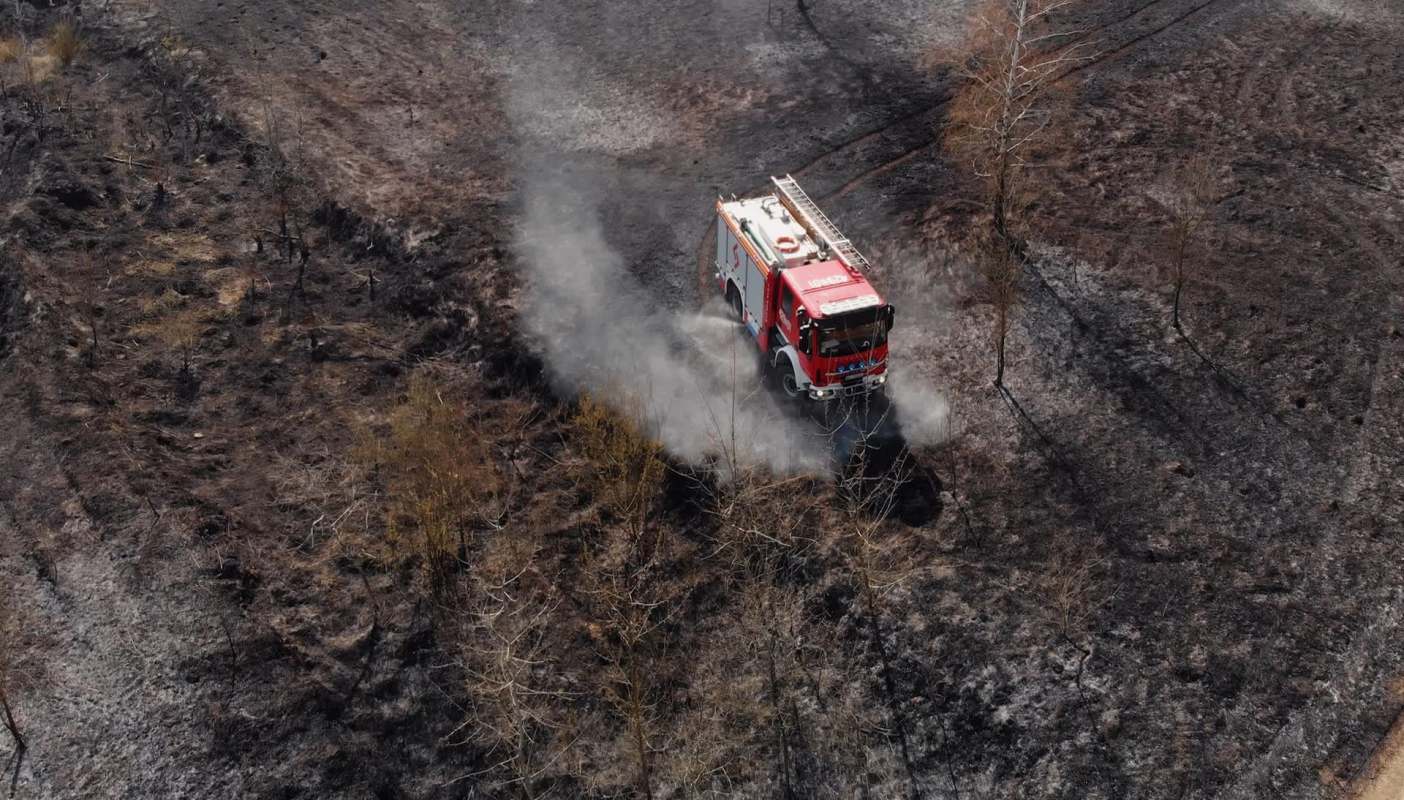
The West's wildfire crisis may be even stranger than it looks. A new study found that while the region is seeing fewer fires overall, the blazes that do ignite are burning dramatically more land than they used to.
According to KUNM, researchers from the U.S. Forest Service, the University of California, Boise State University, and other institutions reviewed 30 years of wildfire data and found a surprising pattern across the American West. The study, which appeared last month in Environmental Research Letters, found a 31% annual decline in fires between 1992 and 2006 and 2007 and 2020.
That decline did not translate into less destruction. Instead, wildfires in the later period burned 40% more forested and unforested land overall.
The biggest fires changed the most. Fires larger than 1,000 acres increased by 3%, those bigger than 25,000 acres jumped 63%, and fires exceeding 125,000 acres surged 136%.
Researchers also found that lightning-caused fires burned 84% more land than they did in the earlier period.
At the same time, human-caused fires in spring are extending the front end of fire season by 12 days, while hotter, drier fall conditions are helping fuel megafires that burn more than triple the land they once did.
TCD Picks » Quince Spotlight
💡These best-sellers from Quince deliver affordable, sustainable luxury for all




Fewer fires did not necessarily mean lower wildfire danger. In a hotter, drier West, each fire has greater potential to become a large, destructive event.
In wildfire-prone communities, larger fires can mean more evacuations, more smoke-filled days, more damage to homes and infrastructure, and higher costs for emergency response and insurance.
The study also points to a changing seasonal pattern. Intentional or accidental human ignitions increasingly shape spring, while fall is becoming more dangerous because of warmer temperatures, late-season dryness, and strong downslope winds.
Together, those shifts make fire season longer and less predictable. They also suggest forests and landscapes are becoming more vulnerable as climate-fueled heat and drought intensify across the West.
The researchers said the findings could help improve wildfire planning, especially when agencies must decide where to send limited crews, aircraft, and equipment, according to KUNM. Better forecasting of when and where the biggest fires are most likely could support more targeted fire management.
As the traditional fire calendar breaks down, response strategies may need to change with it. If spring and fall now pose greater risks than they once did, response strategies may need to change with them.
Smoke preparedness includes keeping air filters on hand, checking indoor air quality during fire season, and having a household plan for children, older adults, and pets when large fires break out.
The wildfire "paradox" could offer better "operational decision support" for fire managers trying to protect communities in a West where fewer fires are causing far more damage.

Get TCD's free newsletters for easy tips, smart advice, and a chance to earn $5,000 toward home upgrades. To see more stories like this one, change your Google preferences here.






