


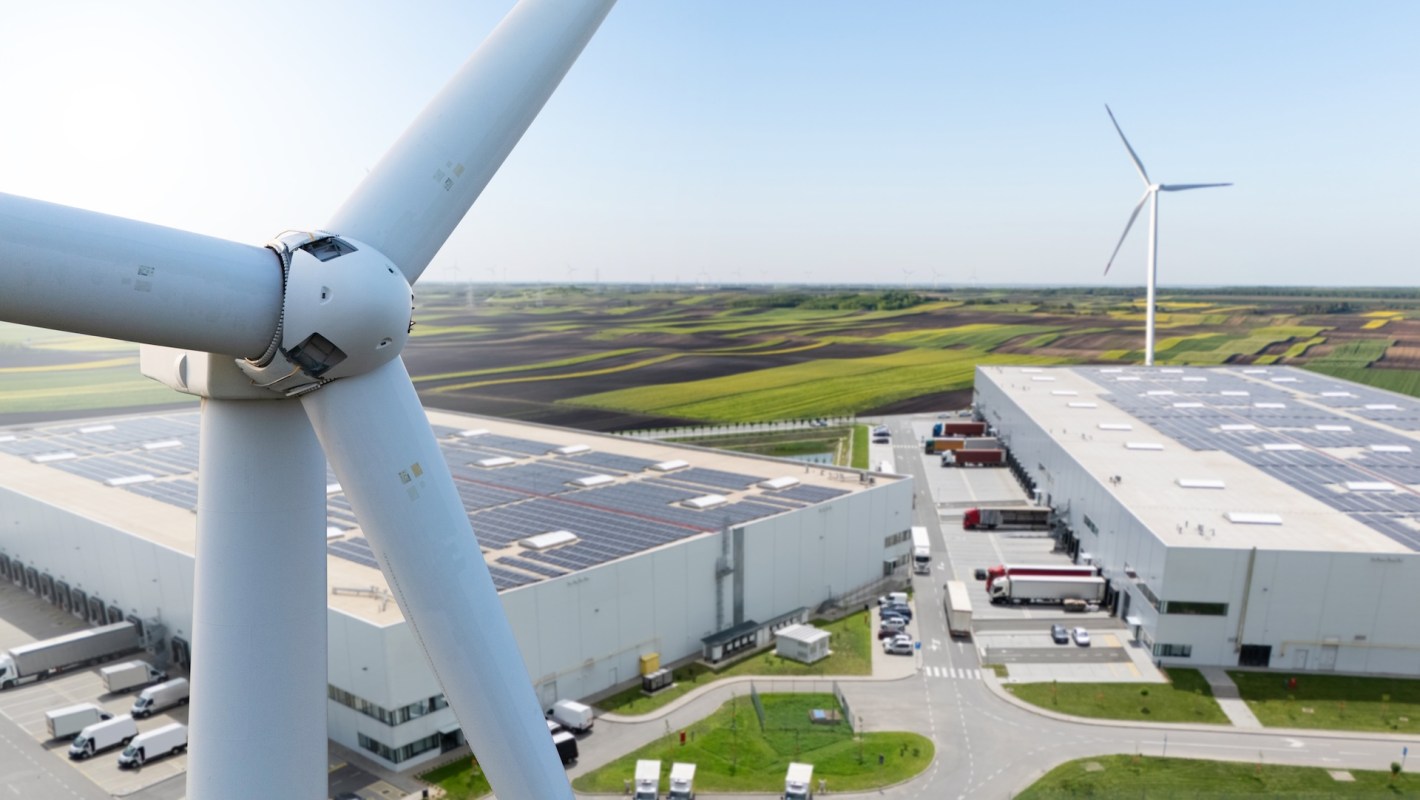
A fully clean global electricity system by 2050 may be technically within reach, according to a new study. But there is a major catch: Getting there could require a vast buildout of renewable infrastructure, including more than 9 million hectares of solar panels alone.
According to Tech Xplore, researchers at Tsinghua University and other institutes built a highly detailed global power-system model to test whether the world could meet electricity demand with renewable energy by midcentury. Their study, published in Nature Energy, mapped electricity needs across the globe hour by hour for an entire year.
The model examined where solar and wind resources are available, how much land could be used, and how close those power sources are to the people and places that need electricity. The team found that a net-zero electricity system is technically possible if the world installs roughly 15 to 20 terawatts of variable renewable energy, or VRE.
The researchers also found that a large majority of VRE resources are located within about 200 kilometers of load centers, which could facilitate distribution. But solar land use emerged as one of the biggest obstacles, with photovoltaics alone potentially requiring over 9 million hectares.
The researchers found that low-income regions, especially parts of Africa, could gain affordable access to electricity through abundant renewable resources. Cleaner power could also improve the quality of life and expand access to essential services.
A cleaner grid could eventually mean more stable energy costs, less reliance on volatile markets for non-renewable energy sources like gas, oil, and coal, and healthier air. The findings also show that the transition is not just about building more wind turbines and solar farms; it is also about where they go, how electricity is used, and how countries work together.
TCD Picks » Quince Spotlight
💡These best-sellers from Quince deliver affordable, sustainable luxury for all




The study identified demand-side management, or shifting when electricity is used, as another tool. That can mean running appliances at off-peak times or choosing smarter home energy systems.
"Our findings show that net-zero global power systems meeting universal electricity needs for decent living standards are technically feasible," the researchers wrote. They added that "demand-side management could reduce system costs by 6.5% (~US$182 billion yr-1)."
They also stated that the study's results underscore "the pivotal role of international collaboration in building inclusive net-zero power systems."

Get TCD's free newsletters for easy tips, smart advice, and a chance to earn $5,000 toward home upgrades. To see more stories like this one, change your Google preferences here.






