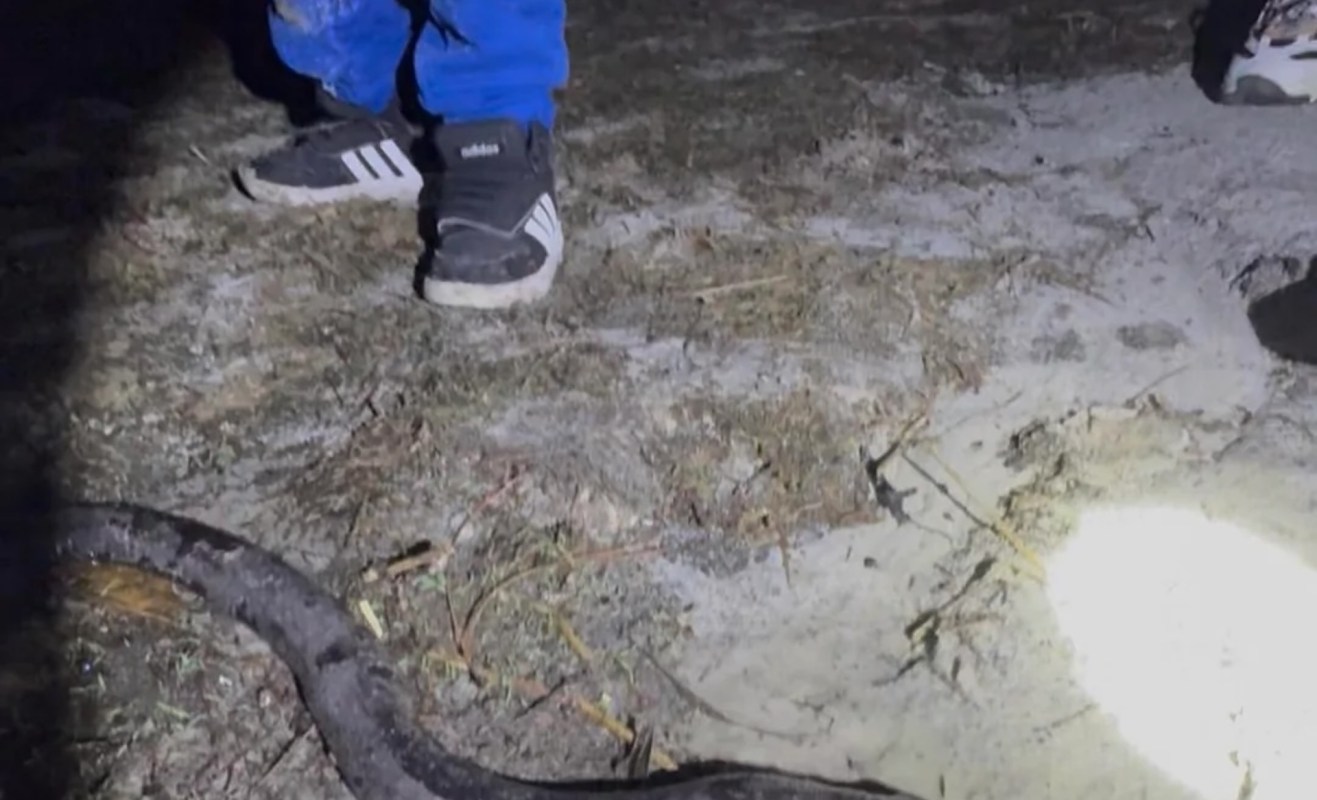
A surprising wildlife encounter in Tallahassee, Florida, is giving people a closer look at a little-known animal that is often mistaken for a snake.
In a Reddit post, one person wrote about a roughly 3-foot-long amphiuma, an eel-like salamander with tiny legs. The original poster spotted the creature on dry ground and took it to a pond because it looked dehydrated, they claimed.
OP explained, "At one point he bit a stick I was holding and I was able to lift him and carry him most of the way to the pond while he was biting the end of the stick!"
"Holy smokes he was strong … Approx 36" as well," OP wrote. "I was unaware these existed."
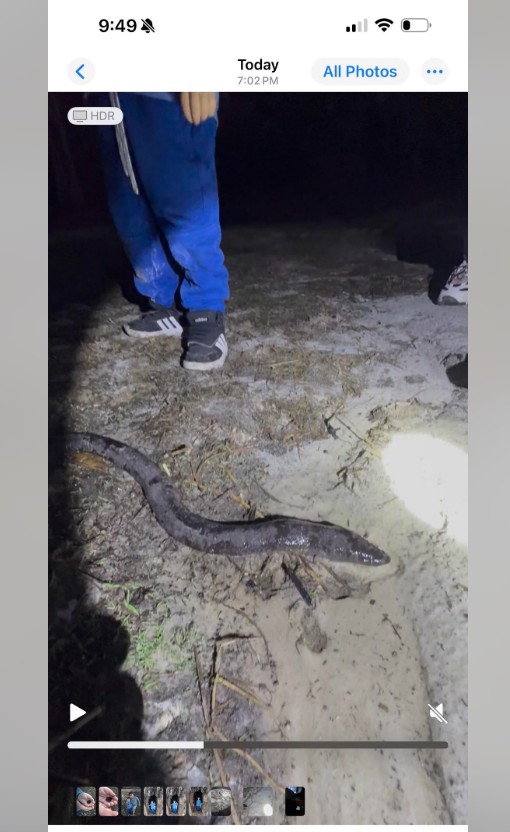
"That has to be near the upper limit of their growth range. Absolutely unreal," one person commented under the post. "You caught a genuine swamp monster dude."
Later on, OP responded with more information and details about the interaction. "Based on the limited research I did today I think he's 20-25 years old," they wrote.
Enjoy your best summer vacation yet with 15% off your next stay With Hilton, you can find a hotel that matches your mood — whether you’re recharging at the beach, exploring natural beauty, or traveling with your crew. Enjoy vibrant summers in Hawaii, weekend trips in major cities, and even extended itineraries at adventurous sites like Moab’s desert canyons. Plus, save up to 15% during Hilton’s summer sale until June 1st. |

That response is understandable. Amphiumas are long, slick, and snake-like in appearance, but they are actually aquatic salamanders.
The sighting was especially notable because the animal was found away from the water it relies on.
Although amphiumas are native to the southeastern United States, encounters like this can reflect a broader issue: Wildlife is increasingly being pushed into unfamiliar and risky places.
Human development has fragmented wetlands across the country, and rising temperatures can dry out shallow aquatic habitats more quickly. Sharp swings between drought and intense rainfall can also disrupt where aquatic species live and how they move.
TCD Picks » Quince Spotlight
💡These best-sellers from Quince deliver affordable, sustainable luxury for all




When wetlands shrink, become polluted, or are cut off by roads and construction, animals such as amphiumas can end up stranded, stressed, or forced into closer contact with people.
If you encounter a wild animal that appears stranded or distressed, it is usually best to keep your distance and contact a licensed wildlife rehabilitator or local wildlife agency for guidance. Even well-intentioned rescues can cause added stress, especially for delicate amphibians that are highly sensitive to handling.
Moments like this can be fascinating, but they can also serve as a warning. A strange animal on a dry dune may not simply be an unusual sight; it may be a sign that the habitats wildlife depends on are becoming harder to survive in.

Get TCD's free newsletters for easy tips, smart advice, and a chance to earn $5,000 toward home upgrades. To see more stories like this one, change your Google preferences here.
Cool Picks