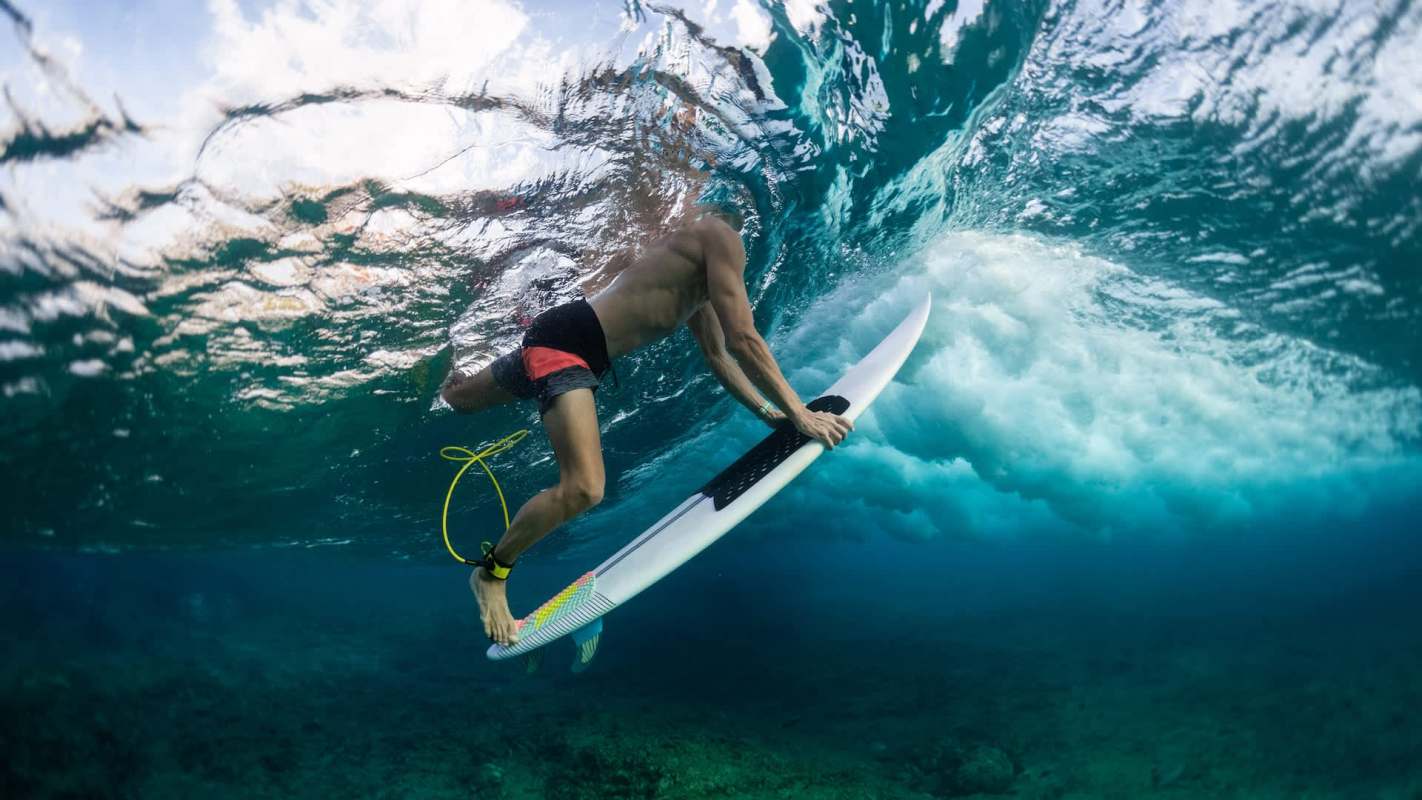
A frightening wildlife encounter at the inaugural Corona Cero New Zealand Pro surf competition brought the final day of the event to an abrupt halt after a photographer in the water was attacked by an animal.
World Surf League vice president Renato Hickel said a "code red" response was initiated following the incident, according to RNZ.
What happened?
Competition was halted on Monday after a photographer in the water suffered what organizers described as minor puncture wounds.
The injured photographer was taken by ambulance to a hospital, Hickel said.
At the time of the stoppage, officials were still working to determine the cause of the injuries. Hickel said it may have been a shark or a sea lion, though a doctor reportedly believed a sea lion was more likely. Competition was put on hold until 12:30 p.m.
The interruption came with major heats still on the schedule, including the men's semifinals and the women's final.
TCD Picks » Quince Spotlight
💡These best-sellers from Quince deliver affordable, sustainable luxury for all




Why does it matter?
Ocean sports take place in living ecosystems rather than controlled arenas. Surfers, photographers, safety crews, and spectators all rely on quick decisions when wildlife is involved.
Beaches and surf breaks are increasingly crowded with recreational, event, and media activity, while marine animals are moving through habitats that are often stressed by pollution, warming waters, noise, and shifting food sources. In some cases, those pressures can affect where animals travel or how they respond to humans.
Human activity can increase the likelihood of close encounters, affecting public safety, tourism, and the people whose jobs depend on the water.
What's being done?
In the immediate aftermath, the league followed a standard safety-first response: halt competition, assess the injured person's condition, and reevaluate whether the water was safe enough for athletes and staff to return.
The pause gave medical teams time to respond, organizers time to monitor conditions, and everyone on-site a chance to avoid worsening a dangerous situation. For professional events, marine safety protocols apply not just to athletes but also to photographers and other workers in the lineup.
Cleaner coastlines, healthier habitats, and more responsible use of marine spaces can help make wildlife encounters less common and less dangerous.

Get TCD's free newsletters for easy tips, smart advice, and a chance to earn $5,000 toward home upgrades. To see more stories like this one, change your Google preferences here.