


A floating lab is just what it might take to shake up global shipping. Germany is betting it could help move cleaner maritime technology out of the prototype stage and into the real world much faster, as Brightcast reported.
What's happening?
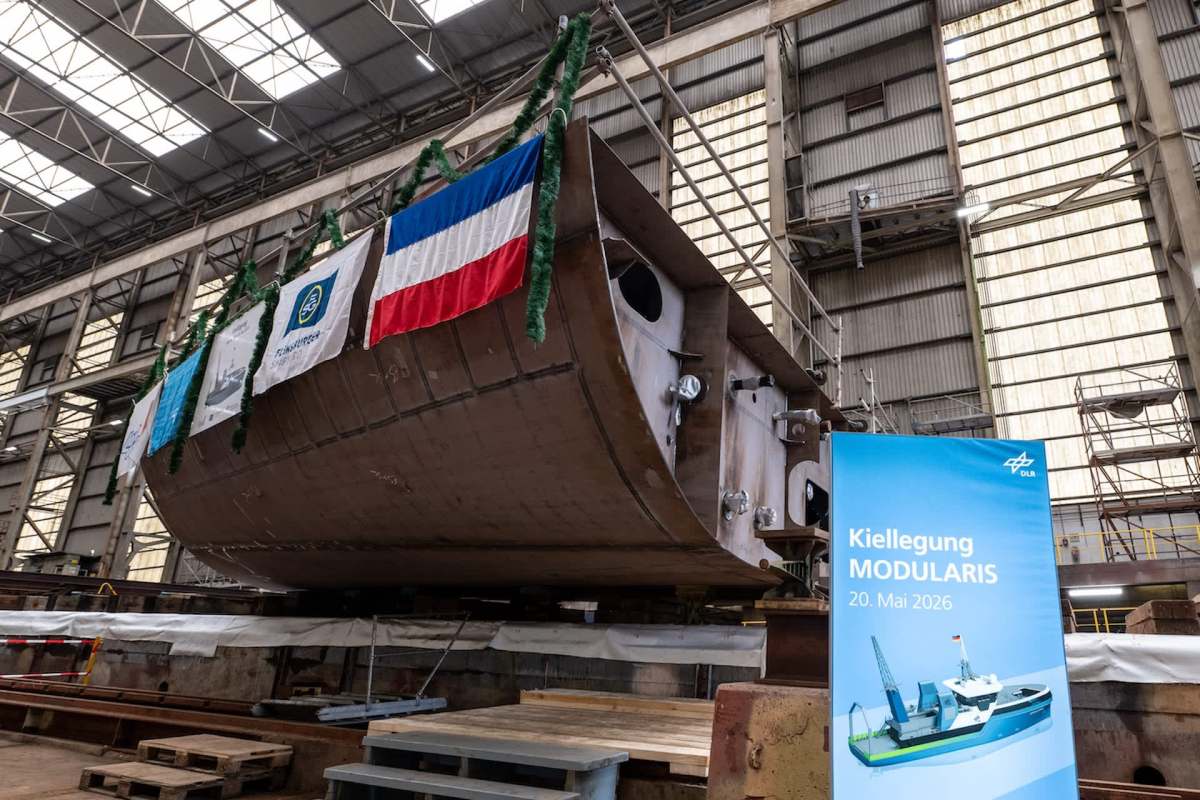
The German Aerospace Center, or DLR, officially laid the keel for MODULARIS, a 48-meter (~157 feet) research vessel designed to serve as a test platform for advanced maritime systems, per Brightcast.
Rather than functioning like a traditional ship, MODULARIS is being built as a flexible laboratory at sea. The idea is to give engineers a place to test cleaner propulsion systems, self-driving ship technology, and next-generation communications equipment in actual marine conditions before those systems are deployed more broadly, the outlet noted. That could help speed up both development and certification.
DLR also plans to use the vessel for security- and defense-related research, giving Germany and Europe a way to evaluate important maritime technologies much closer to real deployment.
MODULARIS will be able to carry up to 20 researchers and is expected to operate mainly on weeklong missions in the North Sea, Baltic Sea, and Mediterranean, per Brightcast.
Brightcast reported that during the keel-laying ceremony, workers put a lucky coin beneath the first steel module. That gesture added a traditional (if superstitious) note to a vessel focused on the future.
TCD Picks » Quince Spotlight
💡These best-sellers from Quince deliver affordable, sustainable luxury for all




Why does it matter?
Shipping moves goods that stock stores, supply hospitals, and support local businesses. Thus, improvements in maritime technology can ripple through the broader economy.
One of the industry's biggest challenges is cutting pollution without undermining reliability. By testing hydrogen, methanol, ammonia, batteries, and fuel cells in real-world conditions, researchers can get a better sense of which systems are practical, affordable, and safe enough to scale.
Cleaner ships could also mean less harmful air pollution around ports and coastal communities.
There is a financial case as well. More efficient engines, smarter route planning, and automated systems could help shipping companies use less fuel and avoid costly delays. In turn, that can strengthen supply chains and potentially help keep costs down for businesses and consumers.
To make that possible, DLR is building MODULARIS with backup safety and control features that let researchers try out uncertified technologies while limiting risk to the vessel, as Brightcast detailed. The setup gives developers room to experiment while maintaining safeguards.
Inside, Brightcast said the vessel will be equipped to trial a broad mix of systems, including advanced sensors, automation tools, battery technology, and fuel cells. It will also feature a dedicated engine room for testing fuels such as methanol, ammonia, and hydrogen, plus capacity for uncrewed systems like drones, per the outlet.
What's being done?
DLR doesn't intend to keep the platform to itself. Brightcast revealed the agency plans to open MODULARIS to partners from government, established companies, and startups. Combined with DLR's existing maritime facilities in Kiel, the outlet noted the vessel could further strengthen Schleswig-Holstein's role as a hub for cleaner, smarter shipping.
A single floating lab will not transform the shipping industry overnight. But it could help the sector make faster and safer progress as it looks for ways to retire dirtier marine fuels and modernize the technology ships rely on.

Get TCD's free newsletters for easy tips, smart advice, and a chance to earn $5,000 toward home upgrades. To see more stories like this one, change your Google preferences here.






