


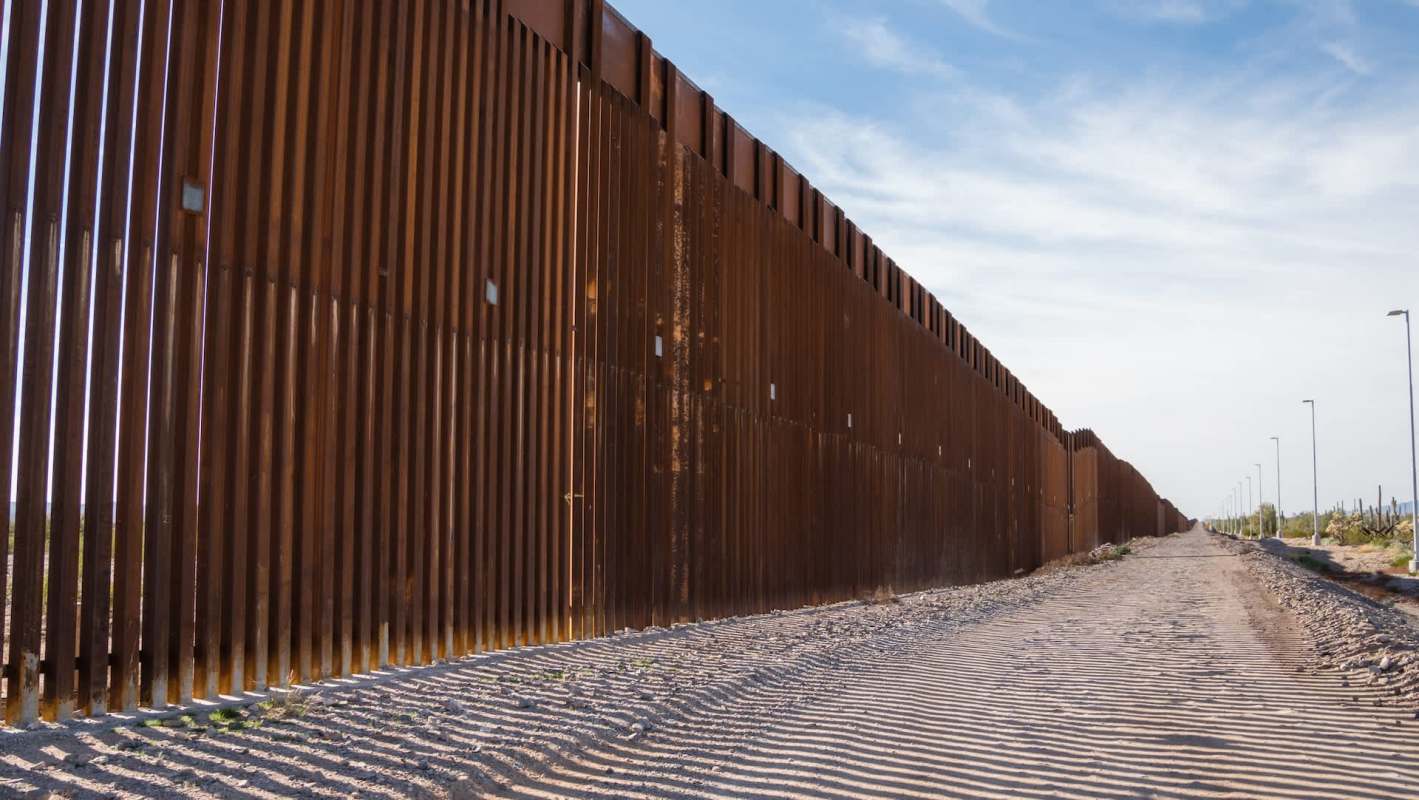
A remote desert oasis in Arizona has become the center of an urgent rescue effort as wildlife officials race to protect one of the country's rarest turtles before border wall construction gets too close.
The Sonoyta mud turtle, an endangered freshwater reptile, now survives in the United States only at Quitobaquito Springs, a remote site about 170 miles southwest of Tucson.
The Arizona Daily Star reported that biologists were advised that survey work for a second border wall could soon begin in the area and that a construction contract might follow as early as this summer.
That timeline has pushed the all-volunteer Sonoyta Mud Turtle Recovery Team into emergency mode.
Instead of focusing only on a recovery strategy, the group is now drafting a salvage plan for roughly 250 turtles in case the pond, springs, or earthen dam that sustains them is harmed.
University of Arizona freshwater biologist Michael Bogan, who leads the recovery team, said members were recently told to "prepare for the worst."
TCD Picks » Quince Spotlight
💡These best-sellers from Quince deliver affordable, sustainable luxury for all




"There's potential that whatever turtles we salvage from Quitobaquito may not be able to go back there for a long time — or, worst-case scenario, ever," Bogan said, per the Arizona Daily Star.
U.S. Customs and Border Protection said it aims to steer clear of Quitobaquito Springs and limit harm to sensitive resources, but officials have not publicly detailed what a secondary barrier there would look like.
The habitat also supports two other creatures found nowhere else on Earth: the endangered Sonoyta pupfish and the Quitobaquito tryonia springsnail, which is currently under consideration for federal protection.
Quitobaquito Springs is sacred to the Tohono O'odham Nation, and it is one of the Sonoran Desert's few dependable water sources for wildlife.
However, border wall projects can receive waivers from environmental laws, reducing safeguards for species already surviving in extremely small numbers.
The emergency rescue plan outlines different responses depending on the level of damage.
A moderate, short-term disruption could lead to about 50 turtles being captured and kept on-site in temporary setups.
If something more severe happens, such as the dam failing or water levels dropping suddenly, the team would try to gather the entire population.
Several Arizona institutions are preparing to help if that becomes necessary. The Arizona-Sonora Desert Museum, which has previously bred Sonoyta mud turtles in captivity, said it can take in more animals if needed.
The Phoenix Zoo has also committed space for rescued turtles and pupfish, while maintaining an assurance population of the tiny springsnail.
Conservation workers are even identifying backup holding sites in unexpected places, including university facilities, in case the number of rescued turtles exceeds available room.
Other accredited zoos across the country have reportedly also been asked to stand by.
"This is actually one of the easiest endangered species to manage. They'll literally live in raw sewage," Bogan said. "They just need water, and they just need to not be run over by a bulldozer."

Get TCD's free newsletters for easy tips, smart advice, and a chance to earn $5,000 toward home upgrades. To see more stories like this one, change your Google preferences here.







