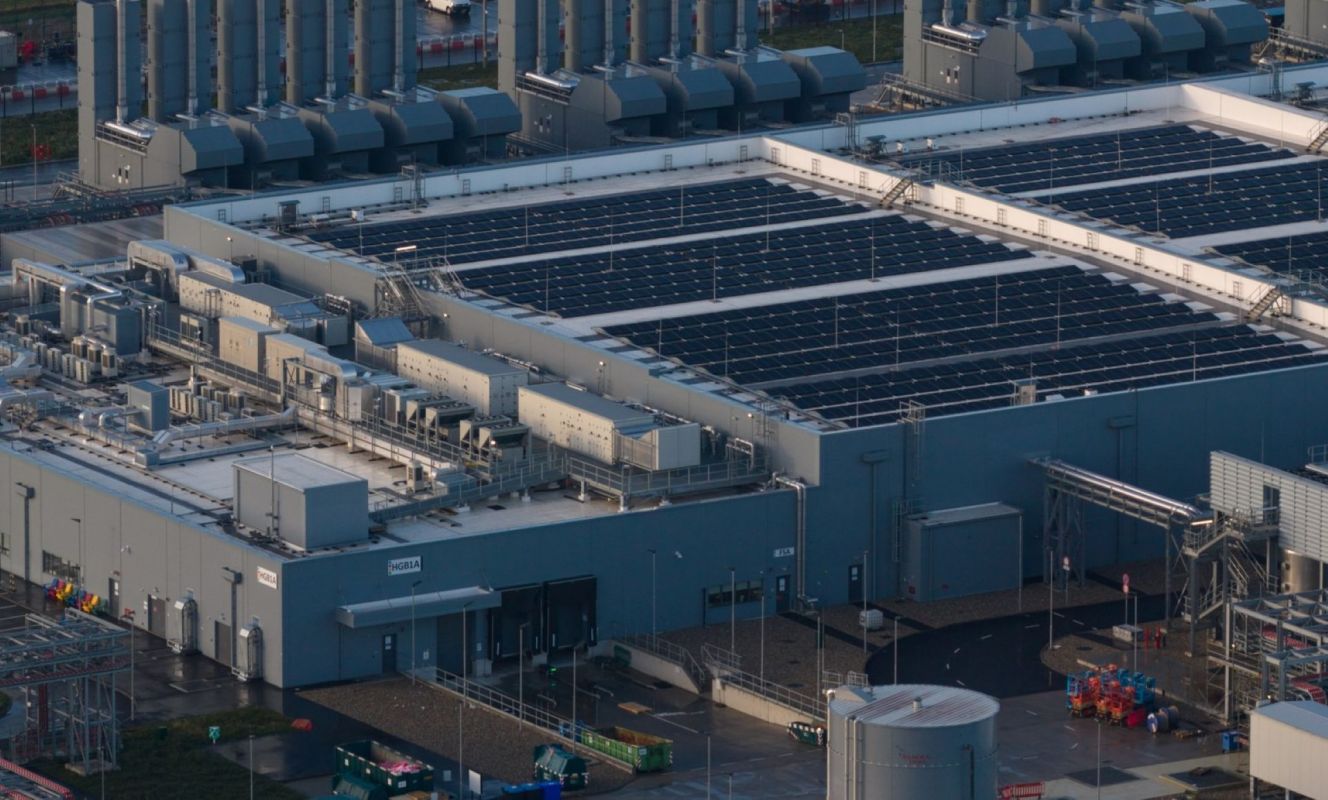
A proposed $2 billion data center campus on Indianapolis' east side is facing intense neighborhood opposition, with residents warning that the project's power demand, backup generators, and site pollution could bring long-term consequences.
According to WFYI, DC Blox is a Georgia-based developer that wants to build a three-building data center campus at South Kitley Avenue and the Pennsy Trail, on the site of a former Ford factory. If fully developed, the project would span up to 420,000 square feet and could draw as much as 78 megawatts of electricity.
The proposal includes 56 backup generators, sparking concerns about noise. Residents pressed company representatives on power use, water consumption, and the risks of disturbing contaminated soil at the brownfield site.
DC Blox officials portrayed the development as a lasting investment in the area. Many neighbors said they remained unconvinced. The completed campus would employ only about 35 full-time workers.
The proposal will be reviewed by the Metropolitan Development Commission's hearing examiner on June 11. Because the developer is pursuing a use variance instead of rezoning, the city-county council cannot overrule the commission's decision.
At a packed Warren Township meeting, attendees made their position known with signs that read: "Block DC Blox."
TCD Picks » Good Store Spotlight
Get 10% off your next purchase with code TCD10




Why does it matter?
Indiana has been aggressively recruiting data centers and other tech investments, even as residents warn that such facilities can place heavy strain on the electric grid and contribute to higher utility costs.
Gov. Mike Braun signed a law this year to lower utility rates, but critics said large new power users could negatively affect that effort.
Data centers are closely tied to artificial intelligence, which requires enormous computing power to train and run. AI boasts benefits such as improving scientific research and optimizing clean energy systems, but that comes with a cost; the infrastructure behind it consumes vast amounts of electricity and water.
The tradeoffs involve grid strain, pollution, security risks, and the potential for higher energy bills. This can force citizens who don't even use the tech to foot the bill for those who do.
TCD Picks » Quince Spotlight
💡These best-sellers from Quince deliver affordable, sustainable luxury for all




The debate centers on health, noise, air quality, and whether resident concerns will matter before decisions are finalized.
What's being done?
Residents have been showing up in large numbers, asking detailed questions, and pressing the developer to explain how it would manage electricity demand, generator noise, water use, and cleanup and construction risks tied to contaminated soil.
The June hearing is expected to be a key moment for both supporters and opponents.
As resident Julie Watson put it, "What we've seen in a lot of places across the country — these meetings happen, and then regardless of how the residents feel, the data center goes in anyway."

Get TCD's free newsletters for easy tips, smart advice, and a chance to earn $5,000 toward home upgrades. To see more stories like this one, change your Google preferences here.