


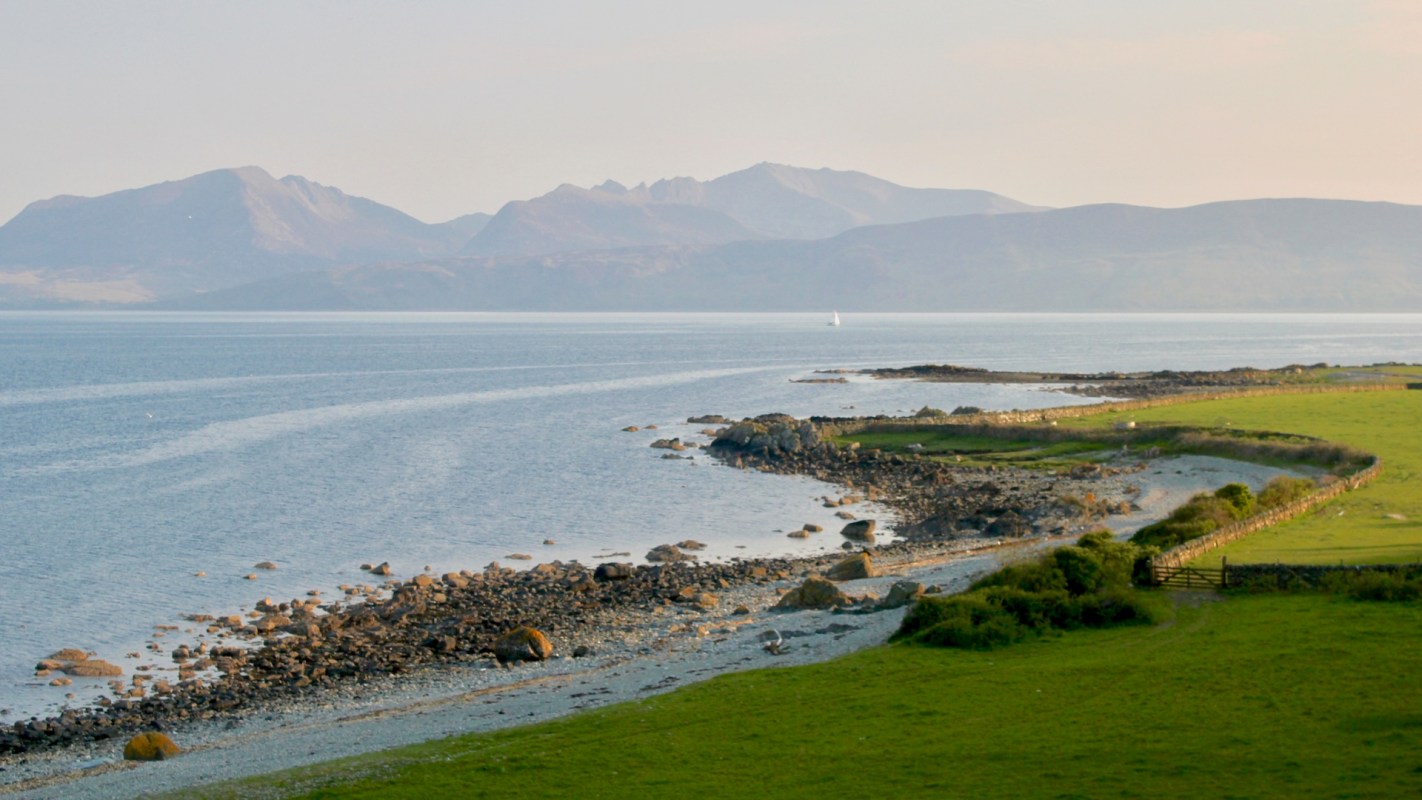
A stretch of seafloor off Scotland is offering a striking example of what can happen when one of the ocean's most damaging fishing methods is removed from the equation.
Researchers say that seabed life in Lamlash Bay is now about three times as abundant as it was before bottom trawling was barred there, giving marine ecosystems and the communities connected to them an encouraging sign of recovery.
What happened?
As Mongabay reported, a new study found that the protected part of Scotland's Lamlash Bay now supports roughly three times the seabed life recorded before the area was closed to bottom trawling.
The protected zone was created in 2008 after a years-long campaign led by local residents on the Isle of Arran. Roughly 15 years later, scientists found a dramatic rebound in underwater life compared with nearby fishing grounds that were still open to trawling.
Among the clearest findings, the protected area had 10 times more juvenile cod than the surrounding waters. Researchers also documented signs of recovery in seagrass, scallops, and lobsters — species and habitats that can suffer major damage when heavy fishing gear is dragged across the seafloor.
The findings add to growing evidence that marine protected areas can deliver results more quickly than many people expect, especially when they restrict the most disruptive forms of industrial activity.
TCD Picks » Quince Spotlight
💡These best-sellers from Quince deliver affordable, sustainable luxury for all




Why does it matter?
Bottom trawling is often described as clear-cutting the ocean floor. The practice can tear up fragile habitats, disturb stored carbon, and destroy the conditions young fish need in order to survive.
That makes the recovery in Lamlash Bay important for more than biodiversity alone. More juvenile cod now could translate into healthier fish populations in the future, with implications for coastal economies, food systems, and long-term fishing prospects.
The story also underscores how conservation can support both wildlife and communities when it is built to last. Recovering seagrass beds help stabilize marine ecosystems, while rebounding shellfish and lobster populations can contribute to healthier local waters.
It is a reminder that ocean protection is not an abstract issue. Healthier seas can mean stronger fisheries, more climate-resilient coastlines, and cleaner ecosystems for future generations.
What people are saying
Scientists and advocates say this kind of policy offers a practical path forward: restrict or ban the most destructive activities in critical habitats, track the results, and build public support through visible improvements in marine life.
Commenters on a Reddit post about the move celebrated the results.
"Now do everywhere," one said, "Trawlers are an outdated indiscriminate and destructive method of fishing."
"I'd imagine not raking up an entire biome is pretty beneficial to it," said another.

Get TCD's free newsletters for easy tips, smart advice, and a chance to earn $5,000 toward home upgrades. To see more stories like this one, change your Google preferences here.







