


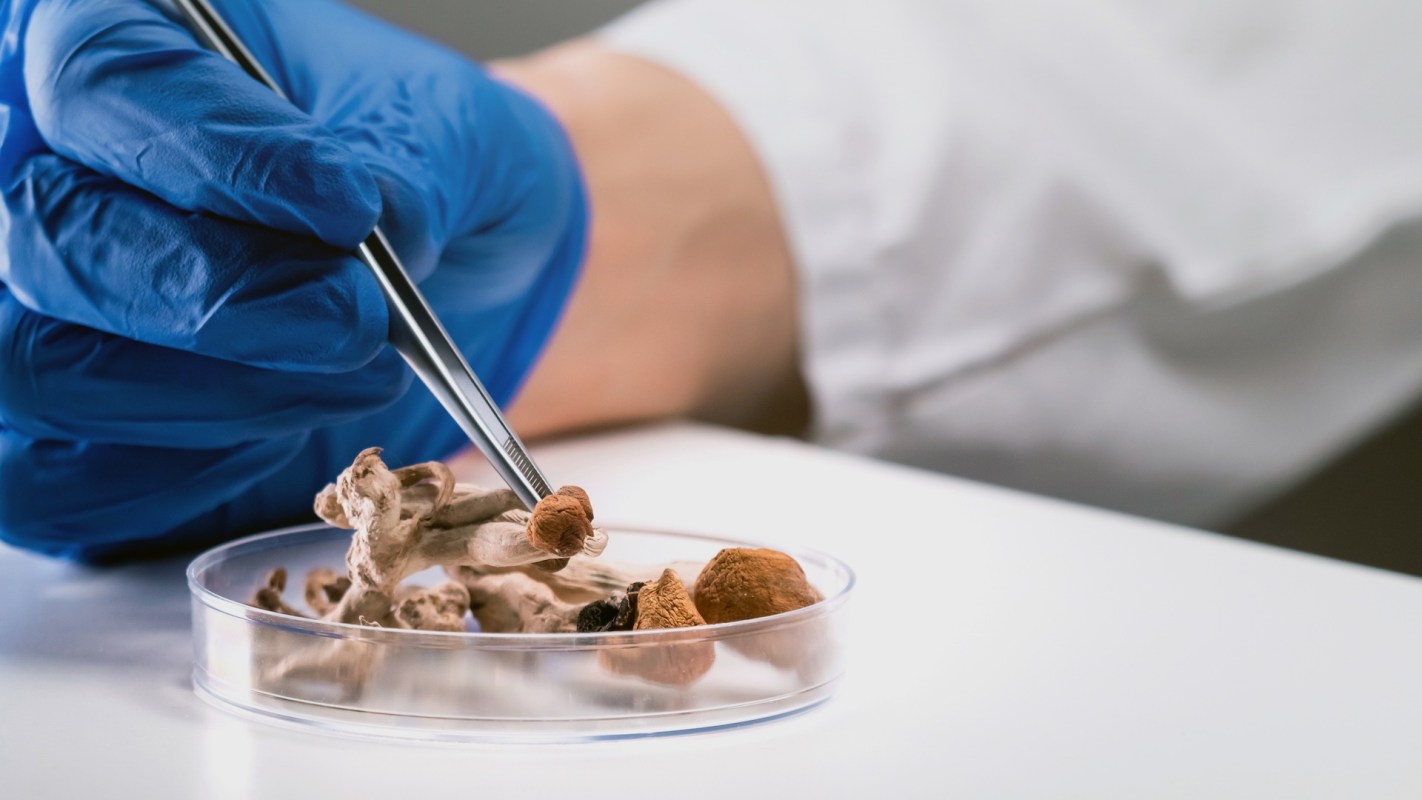
A single dose of psilocybin may offer something people with cocaine addiction have long lacked: a potentially effective new treatment option.
In a clinical trial published in JAMA Network Open, researchers found that a psilocybin group abstained from cocaine at higher rates than a placebo group, reported the Guardian.
The study included 36 people in total — 19 in the psilocybin group and 17 in the placebo group, which received diphenhydramine, a common antihistamine.
All participants also worked with a therapist to help process the experience.
The finding stands out because the FDA has not approved any medications for cocaine use disorder or other stimulant addictions, even as stimulant-related overdoses continue to climb.
A treatment that works after a single guided session, rather than requiring ongoing medication, could represent a meaningful shift in how addiction is treated.
TCD Picks » Quince Spotlight
💡These best-sellers from Quince deliver affordable, sustainable luxury for all




Researchers have said psilocybin may help by increasing what some experts describe as psychological plasticity — the ability to change thinking and behavior.
That may be especially important in addiction, as cravings and routines can become deeply entrenched.
In the trial, the psychedelic experience was paired with therapy, giving participants structured support as they worked toward changing their behavior.
If larger studies confirm the results, this approach could eventually offer another route to recovery for people who want to stop using cocaine but have had few medical options.
Because the treatment is not intended as a daily maintenance drug, it could also reduce some of the practical barriers that make addiction care difficult to access and sustain.
The implications also extend beyond individual patients. Cocaine use disorder affects not only the people living with it, but also families, workplaces, health systems, and communities.
Experts have emphasized that this was a small study, and much larger trials will be needed before psilocybin-assisted therapy could become a standard treatment.
Another notable aspect of the research was who participated. This appears to be the first psychedelic clinical study in which Black participants made up the majority — an important step in a field that has often skewed wealthier and whiter than the broader population.
That makes the findings especially significant, given that cocaine-related arrests and legal consequences have historically fallen disproportionately on Black communities, as noted by the Guardian.
The way participants were recruited may also have mattered. Rather than advertising specifically for a psychedelic study, researchers recruited people who wanted to quit cocaine. That likely produced a group closer to people with cocaine use disorder seeking to quit than to volunteers already enthusiastic about psychedelics.
It may also have helped reduce the "expectation effect," in which people who already believe in psychedelic therapy can shape the results.
Experts said the study is compelling, not because it proves psilocybin is a cure, but because it points to a treatment model worth exploring further.
Gabrielle Agin-Liebes, a clinical psychologist at Yale School of Medicine, said that "psilocybin is different" from most addiction medications because it does not simply substitute for the substance being misused.
Instead, she said, "It's more like a catalyst within a therapeutic process."
Robin Carhart-Harris said that conditions such as addiction, depression, and anxiety often involve people becoming stuck in mental "ruts" — something psilocybin may help loosen.
If future research supports that idea, this small trial could prove to be an important early sign of a more effective path forward for treating stimulant addiction.

Get TCD's free newsletters for easy tips, smart advice, and a chance to earn $5,000 toward home upgrades. To see more stories like this one, change your Google preferences here.






