


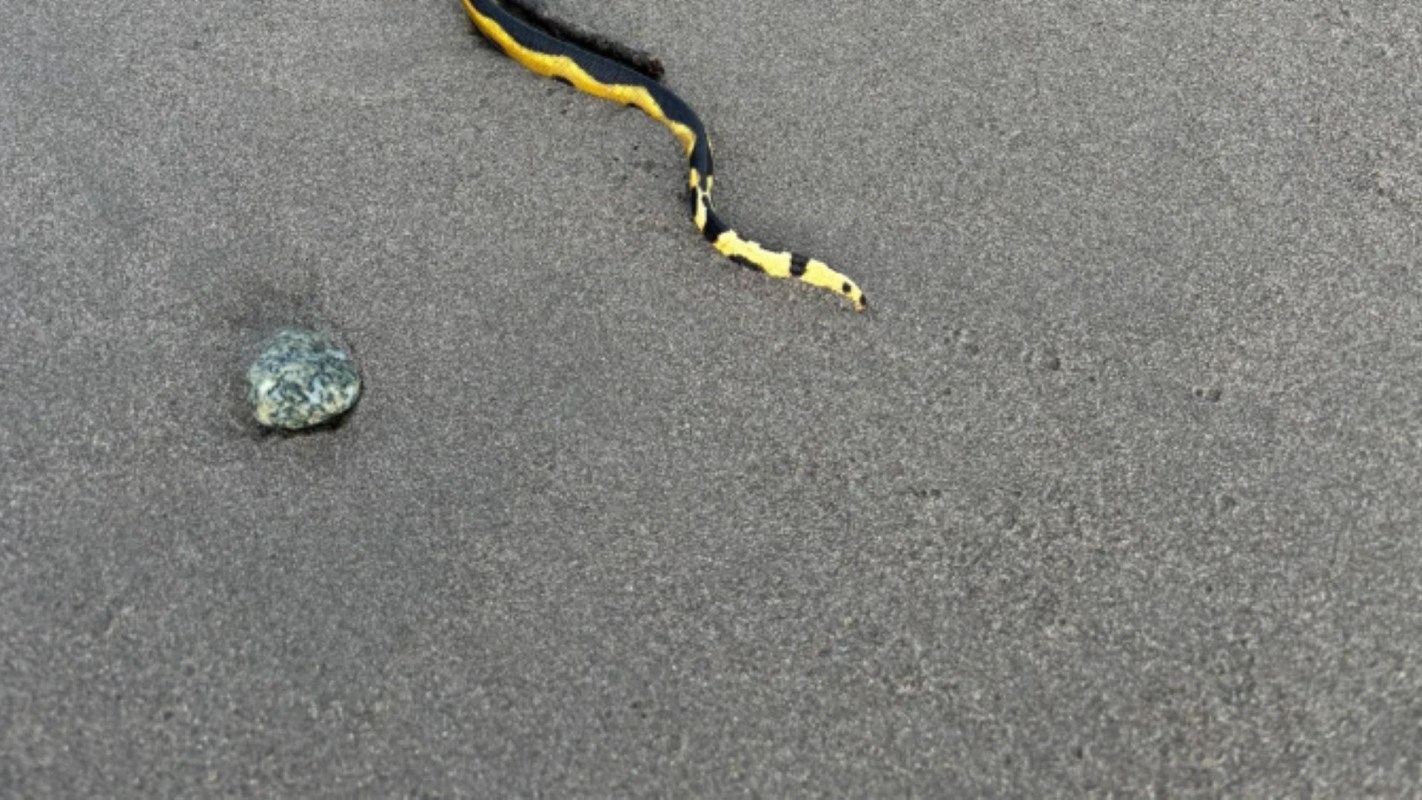
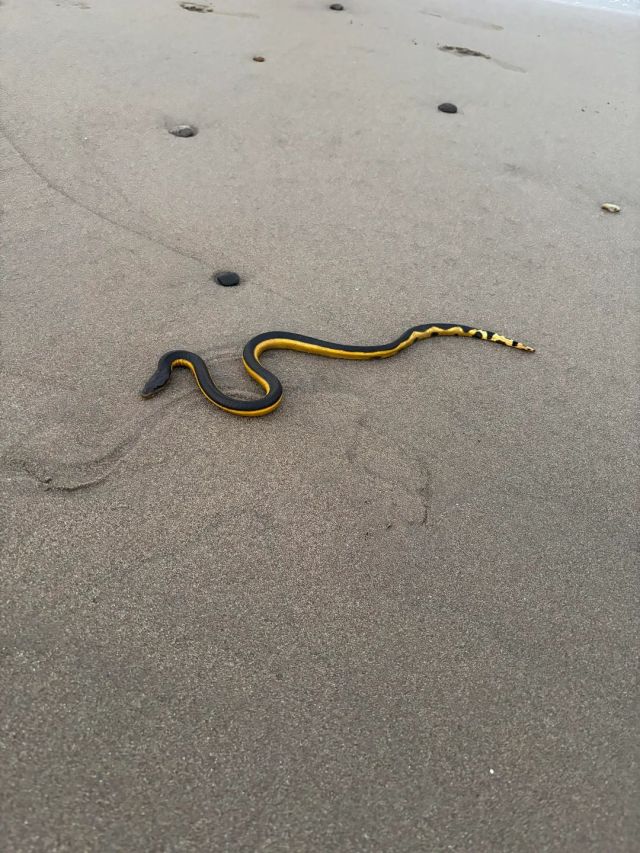
A yellow-bellied sea snake spotted off Nuevo Vallarta, Mexico, gave one lucky observer a memorable "lifer" moment — but the striking encounter also highlights a bigger reality unfolding in coastal waters.
A Reddit user shared a morning sighting of a yellow-bellied sea snake, or Hydrophis platurus, near Nuevo Vallarta, writing, "Lifer for me … what a cool find this morning!"
Yellow-bellied sea snakes are among the only truly open-ocean snakes in the world.
Native to warm tropical waters, including parts of the Pacific off Mexico, they are known for their dark backs and bright yellow undersides.
They are also venomous, though experts generally consider them nonaggressive, and bites are rare.
Still, a sighting near a popular beach destination is bound to draw attention.
TCD Picks » Quince Spotlight
💡These best-sellers from Quince deliver affordable, sustainable luxury for all




These snakes spend much of their lives drifting and hunting at the ocean's surface, and storms, shifting currents, or rough water can sometimes push them closer to shore.
One sighting alone does not confirm a larger trend, but wildlife encounters like this can reflect the extent to which human activity is reshaping ocean habitats.
Yellow-bellied sea snakes rely on warm surface waters and healthy marine food webs.
As global temperatures continue to warm the ocean, storms grow stronger, currents shift, and coastal development expands, animals can end up in unfamiliar or more crowded environments.
That increases the chances of close contact with people, especially in tourism-heavy places such as Nuevo Vallarta.
Researchers who study human-wildlife conflict have found that wild animals generally do not seek out confrontation. Problems are more likely when animals are stressed, cornered, displaced, or caught off guard.
In the ocean, that pressure can come from polluted water, fishing activity, boat traffic, habitat loss, and changing sea conditions. That overlap can have serious consequences for both people and wildlife.
For humans, an unexpected encounter with a venomous species can become dangerous if someone tries to touch, move, or provoke the animal.
For the snake, close contact with humans often ends badly, whether through injury, panic, or being killed out of fear.
If you spot a sea snake, do not try to handle it, drag it back into the water, or snap a close-up photo that puts you or the animal at risk. If the snake appears stranded or injured, alert local lifeguards, conservation groups, or wildlife officials.

Get TCD's free newsletters for easy tips, smart advice, and a chance to earn $5,000 toward home upgrades. To see more stories like this one, change your Google preferences here.







