


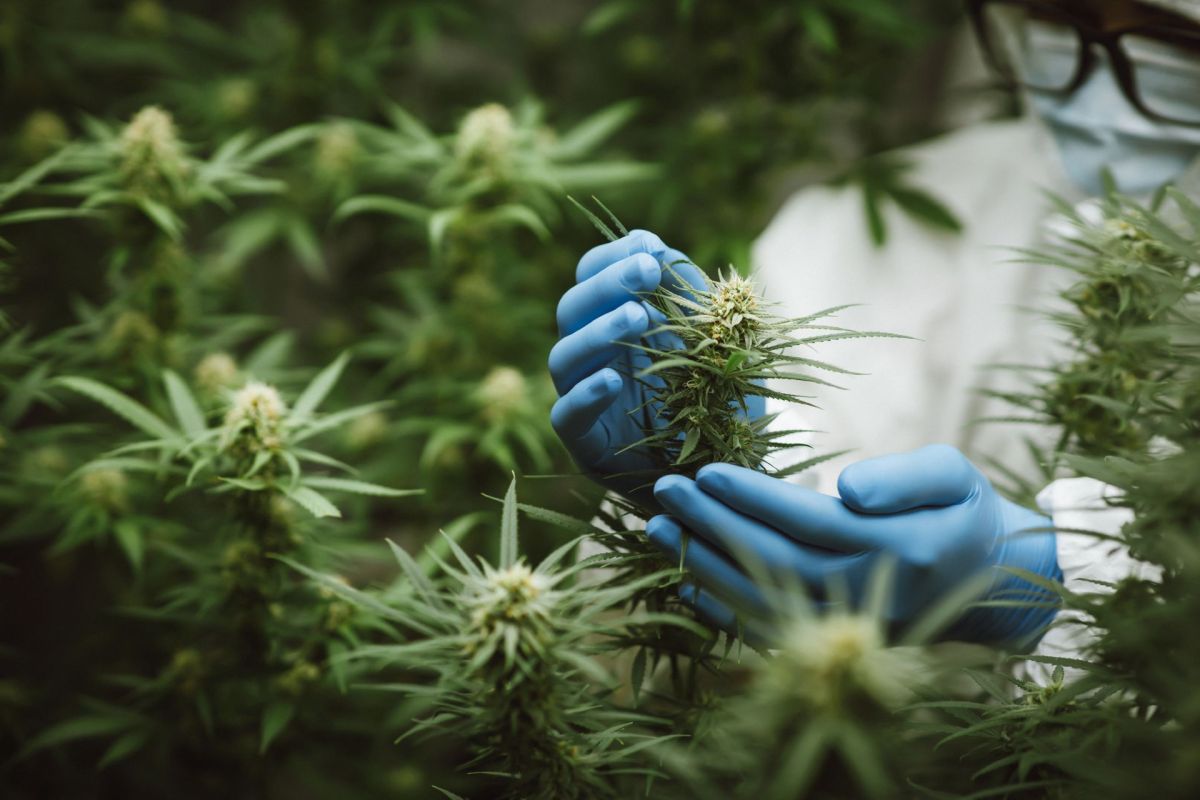
A new study has demonstrated that hemp-based plastic packaging could revolutionize how people use and dispose of plastic.
Researchers said in the study that a hemp-based material can withstand boiling water, stretch like conventional plastic, and break down in a less toxic way than petroleum-based plastics.
The development, highlighted in Forbes' Current Climate, uses low-grade CBD oil to make this hemp-derived plastic.
According to the research team, the material shows flexibility and durability that's sometimes better than traditional plastic.
Its ability to remain stable even around boiling water is especially fascinating since many greener alternatives tend to warp or weaken under high heat.
Ultimately, this hemp-based plastic could reduce waste that comes from disposable packaging for food and household goods.
TCD Picks » Quince Spotlight
💡These best-sellers from Quince deliver affordable, sustainable luxury for all




Unlike conventional plastics made from non-renewable oil sources, the hemp alternative appears show no signs of harming soil or water as it breaks down, Current Climate reported.
Gregory Sotzing, a UCONN chemistry professor and study author, said that the plastic could also be recycled in a meaningful way.
"When this plastic degrades, it'll degrade like hemp CBD," he said, according to Current Climate. "The CBD will get oxidized over time and naturally degrade in the soil."
Sotzing also stated that it could break down and make usable CBD oil again, creating reusable feedstock instead of waste.
That kind of circular system could eventually lower waste-management costs and reduce the need for new plastic.
Plastic pollution is unfortunately a part of everyday life. Petroleum-based packaging can shed microplastics, linger for centuries, and create health and pollution risks. A safer substitute that performs well out in the real world could make it easier for people to choose lower-waste products without sacrificing performance and convenience.
"It would start with a higher-end market than plastic bottles. This is brand new stuff," Sotzing said. "But I don't think anyone else before has demonstrated a high temperature polymer that's a thermoplastic natural resource that's also from a non-food source."

Get TCD's free newsletters for easy tips, smart advice, and a chance to earn $5,000 toward home upgrades. To see more stories like this one, change your Google preferences here.






