


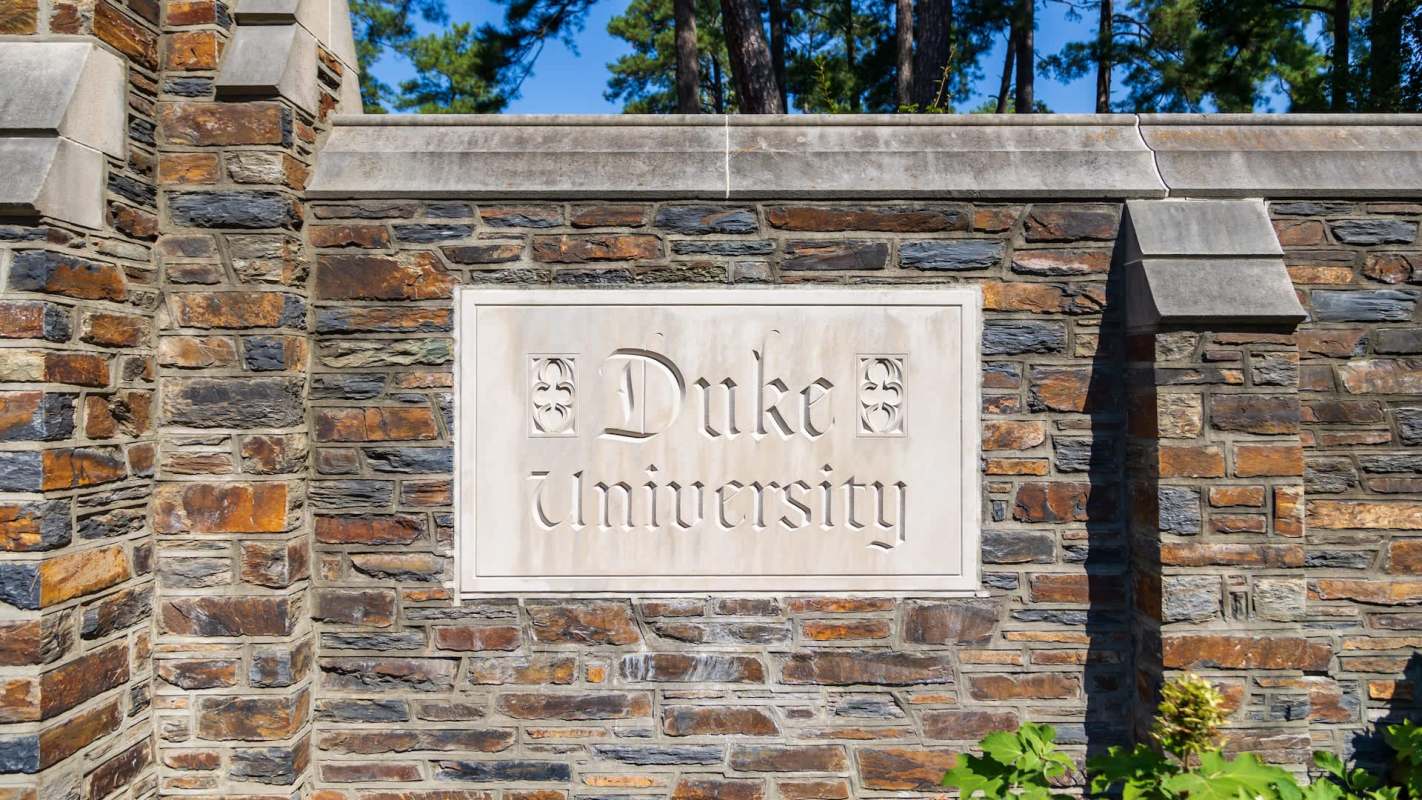
Duke University's plan to build a new data center in drought-stricken Durham, North Carolina, is drawing pushback from faculty and local advocates who say the project could conflict with the school's climate commitments.
While the proposed facility is small compared to the massive data centers operated by major tech companies, critics argue that its energy and water demands are still significant — especially if it serves as the first of several similar projects.
What's happening?
Duke plans to build a $23 million data center on 12 acres of university-owned land on Central Campus near Yearby Avenue, Inside Climate News reported.
The facility is expected to begin at 1.5 megawatts and could eventually expand to 3 megawatts, with construction scheduled to be completed next year.
University officials said the center is intended to support research computing and could also help the school recruit faculty. A spokesperson said it is being designed with "environmental responsibility and sustainability" in mind.
Duke leaders have also raised the possibility of placing similar computing nodes in other locations in the future based on energy and heating needs, adding to concerns that this project may not be a one-off.
TCD Picks » Quince Spotlight
💡These best-sellers from Quince deliver affordable, sustainable luxury for all




The proposal arrives as Durham officials move to restrict larger hyperscale data centers. Duke's project appears to be exempt from those limits because it is meant for on-site institutional use and already has a building permit.
Nearby sites include a preschool, a Ronald McDonald House, a Quaker meeting house, and Duke Gardens.
Why does it matter?
Even smaller data centers can use large amounts of electricity and water. Duke said, according to Inside Climate News, that the proposed facility would raise the university's peak energy demand by 2 to 3%.
That figure may sound limited, but it comes at a time when Durham is facing extreme drought. City data shows that only a few months of easily accessible water remain.
The project is also raising broader questions about artificial intelligence and the strain that computing infrastructure can place on energy systems.
AI can offer major benefits, including helping researchers address medical, scientific, and climate-related problems. It can also support cleaner energy systems by forecasting demand, balancing renewable power, and reducing waste.
At the same time, the computing power behind AI often relies on energy-intensive data centers that can strain the grid, increase water use for cooling, raise utility costs, and create security and misuse concerns if expansion outpaces oversight.
The proposal has also prompted scrutiny of Duke's climate claims. The university said that it reached carbon neutrality in 2024 and 2025, though much of that progress relied on carbon offsets, Inside Climate News reported.
Some faculty members have questioned whether expanding computing infrastructure could make Duke's longer-term decarbonization goals more difficult to achieve.
What's being done?
Duke said it is attempting to design the project differently from a typical server farm.
Officials told faculty that the center could run cool water through the computers and route the warmed water into the university and health system's water-heating network, rather than simply releasing that heat into the air.
The university also said it is exploring renewable energy options for the site and plans to include the data center's emissions on a public carbon-reporting dashboard.
In a February report, Duke's AI steering committee said the project should serve not only as computing infrastructure but also as an opportunity to study energy use, carbon intensity, and ways to limit environmental harm as AI continues to grow.
"We're not taking our foot off the accelerator in terms of decarbonization," Duke University President Vincent Price said.
Still, critics remain uneasy.
"They're gutting the progress we've made on climate change," Leslie St Dre, founder of Community Land and Power, told Inside Climate News. "These major climate catastrophes are getting worse."

Get TCD's free newsletters for easy tips, smart advice, and a chance to earn $5,000 toward home upgrades. To see more stories like this one, change your Google preferences here.






