


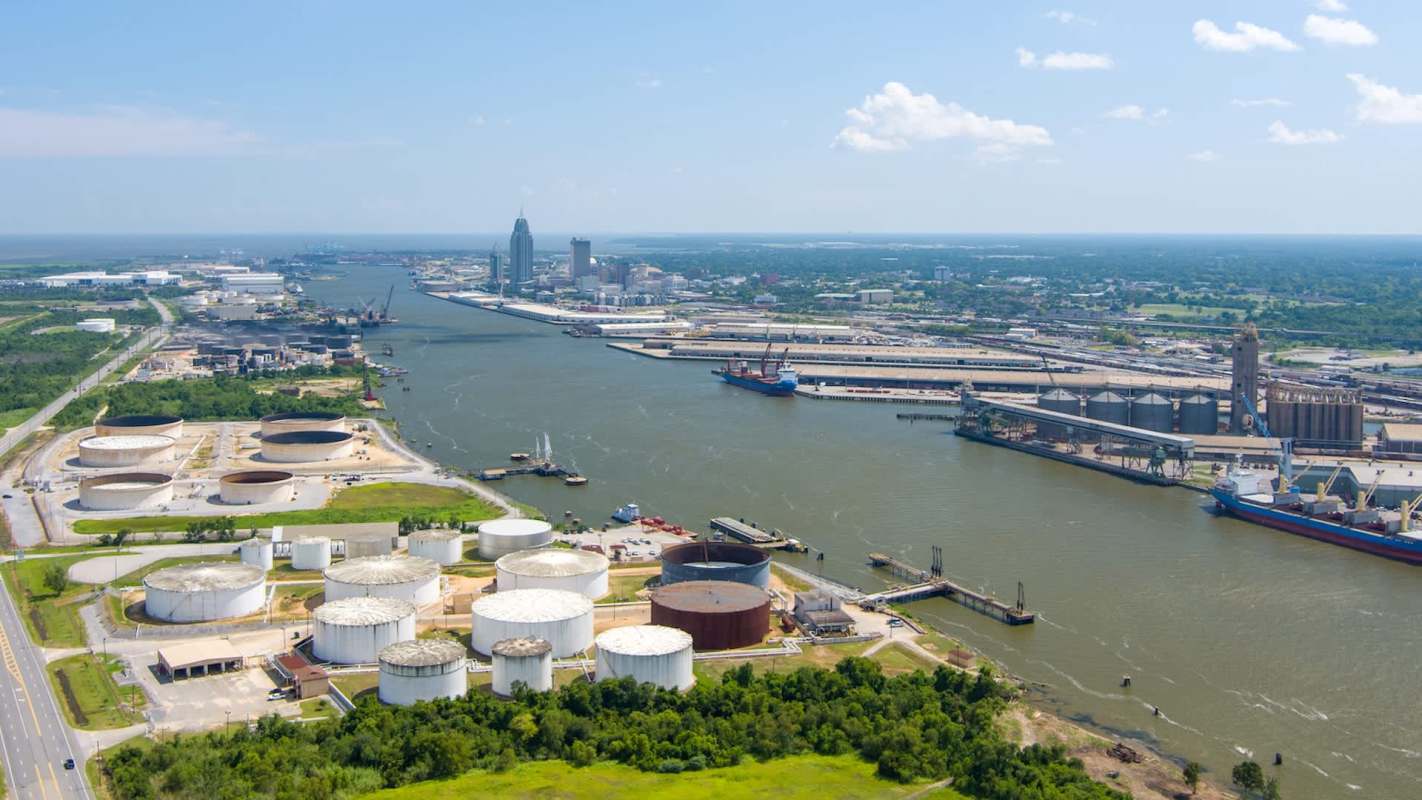
A federal appeals court is giving new life to a closely watched lawsuit over Alabama Power's massive coal ash pond at Plant Barry. The move reopens a legal fight over whether millions of tons of toxic waste should remain beside the Mobile River.
What happened?
The Eleventh Circuit Court of Appeals ruled that Mobile Baykeeper, an environmental group, can sue Alabama Power over the way it handles a twenty-million-ton coal ash pond along the Mobile River, according to Alabama Public Radio.
That reverses a 2024 decision from the federal district court in southern Alabama, which had dismissed the case on what the outlet described as narrow technical grounds. The new ruling does not resolve the full dispute, but it does allow the lawsuit to move forward.
At the center of the case is Plant Barry's unlined coal ash pit. Baykeeper contends it was constructed on wetlands, lies below sea level, and has ash saturated deep in groundwater, APR noted.
The group further argues that storing so much coal ash next to the Mobile River and the Mobile-Tensaw River Delta threatens continued pollution.
The issue has drawn wider attention in recent years, including through APR's "Bad Chemistry" investigation and the documentary "Sallie's Ashes," which follows 80-year-old Sallie Smith's final fight against Alabama Power's plan to keep the coal ash in place.
TCD Picks » Quince Spotlight
💡These best-sellers from Quince deliver affordable, sustainable luxury for all




Why does it matter?
Coal ash can contain contaminants that create risks for water, wildlife, and human health when not handled safely. For people living near the river system, concerns about leakage or long-term seepage are not abstract. They can affect the places families fish, boat, and rely on as part of daily life.
The stakes are especially high because the Mobile-Tensaw River Delta is often called "America's Amazon" for its ecological richness. A Baykeeper release also pointed to a University of Alabama study that found Plant Barry is contaminating Mobile River sediments at levels comparable to the 2008 Kingston coal ash disaster.
If contamination worsens, the fallout could extend further. Cleanup efforts, degraded waterways, and threats to local recreation and fisheries can carry real costs for communities and taxpayers.
What's being done?
For now, the biggest development is procedural but meaningful. Mobile Baykeeper's lawsuit is back on track, and that means the group can continue pressing its challenge in court instead of seeing the case end on a technicality.
Advocates say the goal is straightforward, which is to force a closer review of whether Alabama Power should remove the coal ash rather than leave it in an unlined pit beside a major river system. Public pressure is keeping the issue in view, especially through local reporting and the release of Sallie's Ashes.
"Today's ruling gives the people of Coastal Alabama their day in court," Cade Kistler of Mobile Baykeeper said in the release. "Leaving 21 million tons of toxic ash in an unlined pit beside the Mobile River is an unacceptable long-term risk for this coast and for the company's own shareholders."

Get TCD's free newsletters for easy tips, smart advice, and a chance to earn $5,000 toward home upgrades. To see more stories like this one, change your Google preferences here.







