


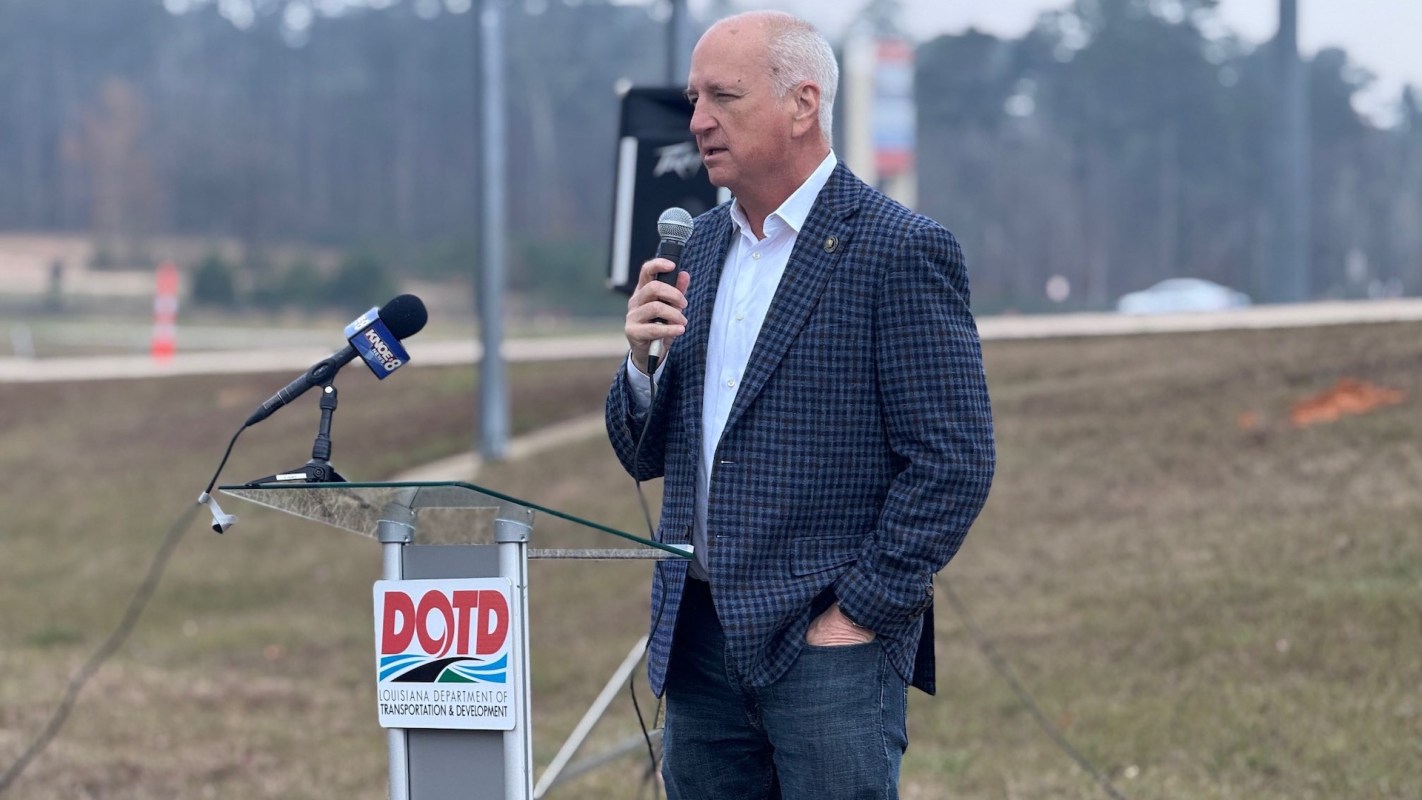
A Louisiana state senator helped clear the way for Meta's massive Hyperion data center. While the project advanced, he also bought and sold nearby land, according to a Floodlight investigation.
That overlap is now drawing scrutiny from ethics experts, who say the pattern raises serious conflict-of-interest questions.
What Happened?
Floodlight reported that Louisiana State Sen. John "Jay" Morris spent more than two years supporting policies tied to Meta's planned Hyperion campus in Richland Parish, a data center expected to rank among the world's largest. Morris also made a series of land deals around the site with longtime business partners in the Franklin family, per the probe.
Those actions included co-sponsoring legislation that helped the state lease and later sell land to Meta, voting for data-center tax breaks, and lobbying a utility regulator ahead of a key vote on new Entergy power plants needed to serve the project, the investigation found.
Meanwhile, Floodlight reports Morris and his partners bought additional land near the site, and transferred several hundred acres to Entergy for a gas-fired plant connected to Hyperion in February.
Morris told Floodlight he did nothing illegal and said the laws he backed were broad measures, not benefits crafted solely for Meta.
TCD Picks » Quince Spotlight
💡These best-sellers from Quince deliver affordable, sustainable luxury for all




Ethics experts interviewed by Floodlight differed on how serious the situation is. But they said the facts could implicate Louisiana rules barring officials from taking official action that financially benefits them.
Why Does It Matter?
Large data centers support cloud computing and AI tools that can help improve logistics, forecasting, and even clean-energy management. But they also can consume enormous amounts of electricity and water, strain local grids, raise utility costs, and create new security and social risks if growth outpaces oversight.
Hyperion's expected electricity use is especially significant. Floodlight reported that the site could consume over six times as much energy each day as New Orleans, prompting Entergy to pursue a major expansion of power generation and transmission.
That matters to nearby residents because projects of that scale can bring construction impacts, more truck traffic, air pollution, and pressure on household energy bills.
Locals have already complained about dust and heavy commercial vehicles on rural roads, per Floodlight. State leaders, meanwhile, have defended the project as an economic-development win that could bring jobs and tax revenue.
That tension between promised benefits and public costs is exactly why the ethics and transparency questions matter.
What's Being Done?
For now, the main response is public scrutiny. Floodlight reviewed ethics disclosures, votes, deeds, and regulatory records, and ethics experts said the information deserves closer examination. Louisiana's Board of Ethics can investigate misconduct complaints.
Meta relayed to Floodlight that it is committed to creating a positive impact in Richland Parish by pouring money into schools, nonprofits, and small businesses. Louisiana economic development officials also rejected the idea that Morris improperly influenced the project. Still, Morris could find himself in hot water as his conduct goes under the microscope.
"The fact that he actually voted and didn't recuse himself is a major concern of mine," La Koshia Roberts, a member of the Louisiana Board of Ethics, told Floodlight. "To have that person continue with this knowledge and not disclose it, not even to his body, not even to the committee, is problematic."

Get TCD's free newsletters for easy tips, smart advice, and a chance to earn $5,000 toward home upgrades. To see more stories like this one, change your Google preferences here.






