


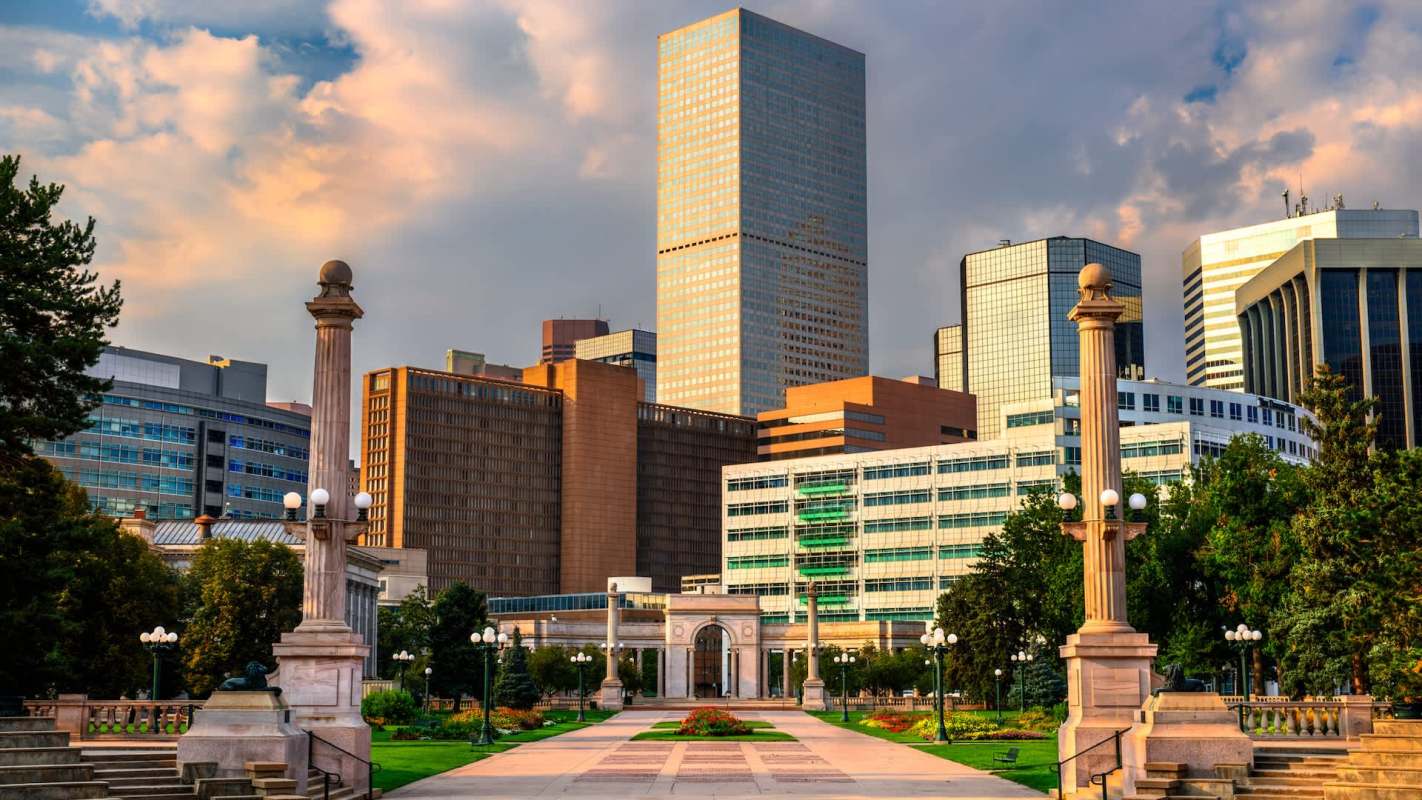
Denver is trying to turn an unlikely resource — sewage — into a climate solution.
As NPR reported, city leaders want to use heat from wastewater, along with geothermal energy and water loops, to warm and cool downtown buildings without relying on pollution-generating, non-renewable sources such as natural gas. If the effort succeeds, it could lower energy costs, modernize aging infrastructure, and offer a model for other cities with dense downtown cores.
Buildings are Denver's largest source of climate pollution, and many downtown properties still rely on an aging steam system that dates to the late 1800s. That system burns natural gas, leaks energy, and has become increasingly expensive to maintain.
Now, the city plans to replace parts of that setup with a thermal energy network, sometimes called an "ambient loop." Underground pipes would circulate water between buildings, while water-source heat pumps would move heat where it is needed for heating and cooling.
Denver plans to begin with 11 city-owned buildings over the next decade.
A smaller pilot in about two years would tie together two buildings and a sidewalk snowmelt system, according to NPR. By 2030, officials hope nine buildings will be linked.
TCD Picks » Quince Spotlight
💡These best-sellers from Quince deliver affordable, sustainable luxury for all




The buildout is projected to cost $280-320 million, but a 2025 feasibility report found the loop may be up to 75% less expensive than other approaches for reducing pollution from those buildings.
This is about more than climate action goals.
Denver says customers on its steam system have had bills climb to more than double what they were a decade ago, driven by maintenance costs, non-renewable energy prices, and people leaving the system.
A loop-based system could make heating and cooling more efficient by allowing buildings to share energy. If one building has excess heat, that heat can move through the water loop and be used by another nearby building that needs warmth. Reusing energy this way can reduce waste and lower operating costs.
The project could also help Denver meet a 2021 city law that requires large buildings to reduce pollution or risk penalties in the next few years, as NPR reported. For people who live and work downtown, cleaner building systems could mean more stable long-term costs, more resilient infrastructure, and less dependence on fuel-burning equipment.
There is also a water-quality benefit. Denver's wastewater utility sends treated but still-warm water into the South Platte River, and future state rules will require that the discharge be cooled. Capturing that heat before discharge could help the river while putting useful energy to work.
To power the network, Denver wants to tap two major heat sources. One is geothermal energy from hundreds of planned boreholes that extend over 1,000 feet underground. The other is wastewater heat captured via a heat exchanger installed in a major sewer line.
That sewage may sound unpleasant, but it carries a surprising amount of usable warmth from showers, washers, and sinks. Dan Freedman of Metro Water Recovery told NPR that, in certain weather, wastewater can hold roughly four times as much heat as buildings on the steam system use in the dead of winter.
In Canada, Vancouver and Ontario are using similar systems to heat homes. If it works at scale in Denver, other cities may be more likely to adopt it.
"We think we are standing in what can be the future of energy in Denver, which is both pollution-free and affordable," Mayor Mike Johnston said.
And as Freedman put it, "If successful, I'm incredibly confident that it's just going to take off."

Get TCD's free newsletters for easy tips, smart advice, and a chance to earn $5,000 toward home upgrades. To see more stories like this one, change your Google preferences here.






