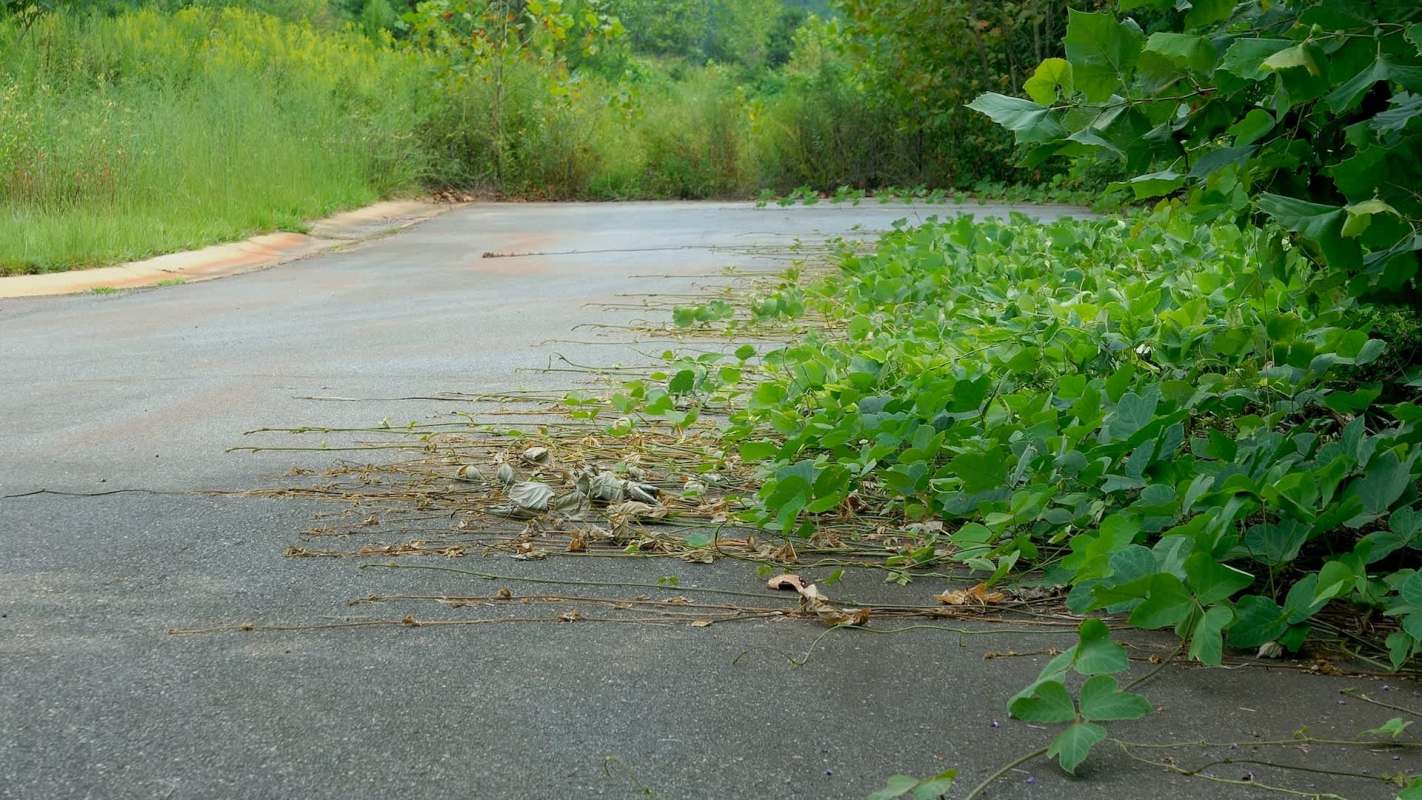
Knoxville is stepping up its fight against one of the South's most infamous invasive plants, launching an $80,000 effort to restore public parkland overtaken by kudzu after a goat-grazing strategy failed to contain it.
The move reflects a broader push by cities to protect the green spaces that support recreation, shade, and healthier local ecosystems.
According to WVLT, the Tennessee city approved a plan to remove invasive species from city parks, beginning with major kudzu infestations at Fort Dickerson Park and the area near Augusta Quarry.
The city council signed off on the project, which is funded largely through a state Division of Forestry grant.
Four certified contractors — Davey Resource Group, Forest Edge, Richmond Tree Experts, and Invasive Plant Control — will carry out the work with EPA-approved herbicides, per WVLT.
City officials estimate that 15 to 25 acres of kudzu at Fort Dickerson Park alone require treatment.
TCD Picks » Quince Spotlight
💡These best-sellers from Quince deliver affordable, sustainable luxury for all




That scale is significant because kudzu is notoriously aggressive. The vine can grow up to a foot per day during summer, rapidly smothering trees, shrubs, and groundcover and reshaping entire landscapes if left unchecked.
Knoxville had experimented with goats to control the plant, but the effort fell short. While the animals could strip back visible growth, they could not eliminate the kudzu's deep underground root systems, allowing it to quickly regrow.
"Kudzu doesn't offer a lot of the other benefits like flowers or fruits of other species that we see," said Rachel Butzler, the city's public service director, per WVLT. "So that's the big problem with kudzu — it just smothers out everything else and becomes a monoculture."
That kind of takeover can reduce biodiversity and make parks less resilient. Native plants support birds, pollinators, and other wildlife, while a healthier mix of vegetation improves trails, views, and the overall experience for visitors.
"If we don't invest in getting rid of the kudzu, it's going to cause more and more problems for the park and just get more expensive over time," Butzler said.
For residents, the effort highlights that park maintenance is about more than aesthetics. Controlling invasive species preserves the ecological health of shared spaces where people walk, exercise, and connect with nature close to home.
The city is prioritizing Fort Dickerson Park and the Augusta Quarry area first to contain the spread and give native species a better chance to recover.
"It's not a one-and-done," Butzler said, per WVLT. "This is going to be two to three years of monitoring and finding other pockets that may have cropped up."
Residents can support similar efforts by learning to identify invasive species, avoiding planting them in home gardens, and choosing native alternatives that support local wildlife. Even small landscaping choices can reduce long-term pressure on ecosystems.

Get TCD's free newsletters for easy tips, smart advice, and a chance to earn $5,000 toward home upgrades. To see more stories like this one, change your Google preferences here.